Sign up to get Today’s Best Articles in your inbox
Join 350,000+ subscribers and keep yourself informed with a selection of
The Week’s most interesting, enlightening and entertaining stories - plus daily puzzles.
You are now subscribed
Your newsletter sign-up was successful
Want to add more newsletters?
An account already exists for this email address, please log in.
Dutch prime minister resigns following government collapse
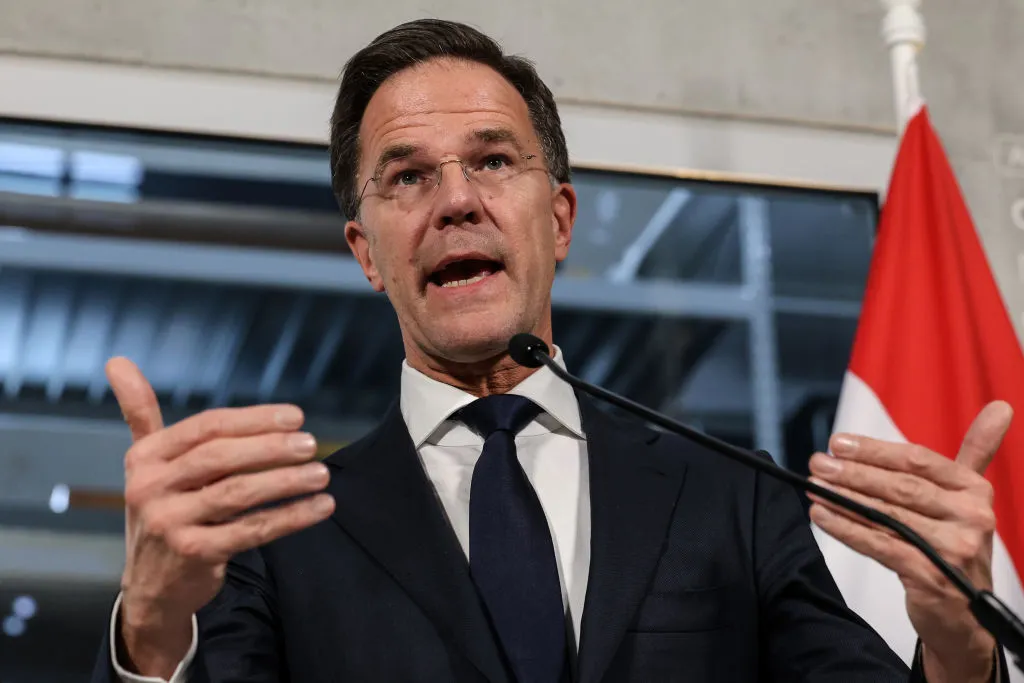
Dutch Prime Minister Mark Rutte resigned on Saturday, handing the reigns of the Netherlands to a caretaker government and paving the way for a general election later this year.
Rutte met with King Willem-Alexander to formally step aside, with the Dutch monarch accepting his resignation. Having been in office since 2010, Rutte was the longest-serving prime minister in the history of the Netherlands, and his tenure ends amidst an unprecedented government crisis in a country that is typically a pillar of stability.
Rutte's resignation comes after his center-conservative political party, VVD, lost control of the government after lawmakers were unable to come to an agreement over the handling of asylum seekers entering the Netherlands. The issue has been at the forefront of Dutch politics for months, and was rooted in a larger anti-migration sentiment that has been growing throughout Europe.
The Week
Escape your echo chamber. Get the facts behind the news, plus analysis from multiple perspectives.
Join more than 350,000 subscribers and keep yourself informed with a selection of The Week’s most interesting, enlightening and entertaining stories - plus daily puzzles.
Join more than 350,000 subscribers and keep yourself informed with a selection of The Week’s most interesting, enlightening and entertaining stories - plus daily puzzles.
The VVD's four-party coalition had been negotiating within itself and opposition parties about a plan to stem the flow of migration. Talks had been closing until Rutte introduced "non-negotiable" demands this past week, Dutch government sources told Bloomberg. The crux of these demands was a proposal by Rutte that would limit the number of family members who are allowed to reunite with asylum-seekers in the Netherlands. This was something both the VVD coalition and the opposition parties strongly opposed, Bloomberg reported, and led to a "splintered trust among the coalition partners."
Sources told Bloomberg that Rutte's actions were unlike him. The outlet noted that he has become "known for tirelessly seeking compromises and an ability to form alliances."
Rutte said during a press conference that his coalition had "lost its political foundation." His downfall was welcomed by opposition heads, as Socialist Party leader Lilian Marijnissen told Dutch broadcaster NOS the government breakup was "good news for the Netherlands" because they "created more problems than they solved."
Sign up to get Today’s Best Articles in your inbox
A free daily email with the day’s biggest news and analysis – and the best features from TheWeek.com
Justin Klawans has worked as a staff writer at The Week since 2022. He began his career covering local news before joining Newsweek as a breaking news reporter, where he wrote about politics, national and global affairs, business, crime, sports, film, television and other news. Justin has also freelanced for outlets including Collider and United Press International.