What the latest Fed rate hike means for the economy

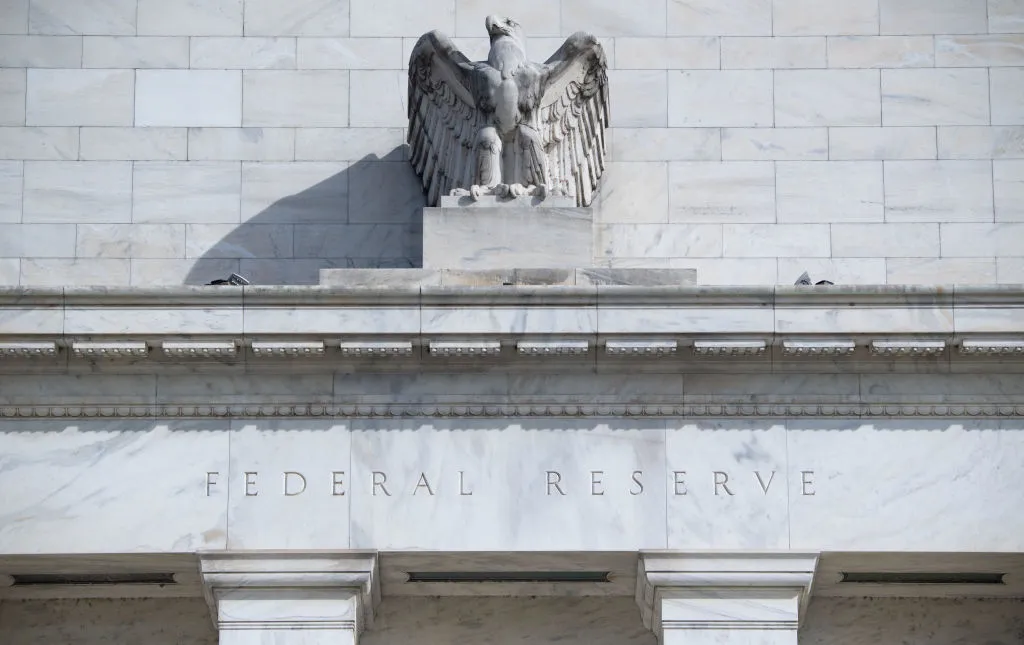
The Federal Reserve has announced that it will raise interest rates another 0.5 percent to 4.5 percent, marking the seventh increase of 2022. This will, however, be the smallest of the last four rate hikes showing promise that the increases will slow soon.
The increase comes following the latest consumer price index report showing that inflation cooled in November. Along with the rate increase, the Fed also announced economic predictions indicating that rates will likely need to go higher to slow the economy even more, writes The New York Times. It currently predicts rates will rise to 5.1 percent by the end of next year. Unemployment is likely to increase as well.
The Week
Escape your echo chamber. Get the facts behind the news, plus analysis from multiple perspectives.

Sign up for The Week's Free Newsletters
Join more than 350,000 subscribers and keep yourself informed with a selection of The Week’s most interesting, enlightening and entertaining stories - plus daily puzzles.
Join more than 350,000 subscribers and keep yourself informed with a selection of The Week’s most interesting, enlightening and entertaining stories - plus daily puzzles.

-
-
 talking pointsAfter Pike disaster, is it time to rethink death penalty?
 -
 QUOTE OF THE DAY‘What it actually means in the American context is you want to replace American workers with foreign workers and you want boys to play in girls’ sports.’
 -
 the explainerJustice Dept. launches largest-ever effort to strip citizenship
-
-
-
talking pointsAfter Pike disaster, is it time to rethink death penalty?
-
QUOTE OF THE DAY‘What it actually means in the American context is you want to replace American workers with foreign workers and you want boys to play in girls’ sports.’
-
the explainerJustice Dept. launches largest-ever effort to strip citizenship
-