Sign up to get Today’s Best Articles in your inbox
Join 350,000+ subscribers and keep yourself informed with a selection of
The Week’s most interesting, enlightening and entertaining stories - plus daily puzzles.
You are now subscribed
Your newsletter sign-up was successful
Want to add more newsletters?
An account already exists for this email address, please log in.
A sexually transmitted stomach bug is spreading in the US
Antibiotic-resistant shigellosis infections have been spreading in the U.S. Many are sexually transmitted and can affect the most vulnerable communities.
What are the symptoms and transmission methods?
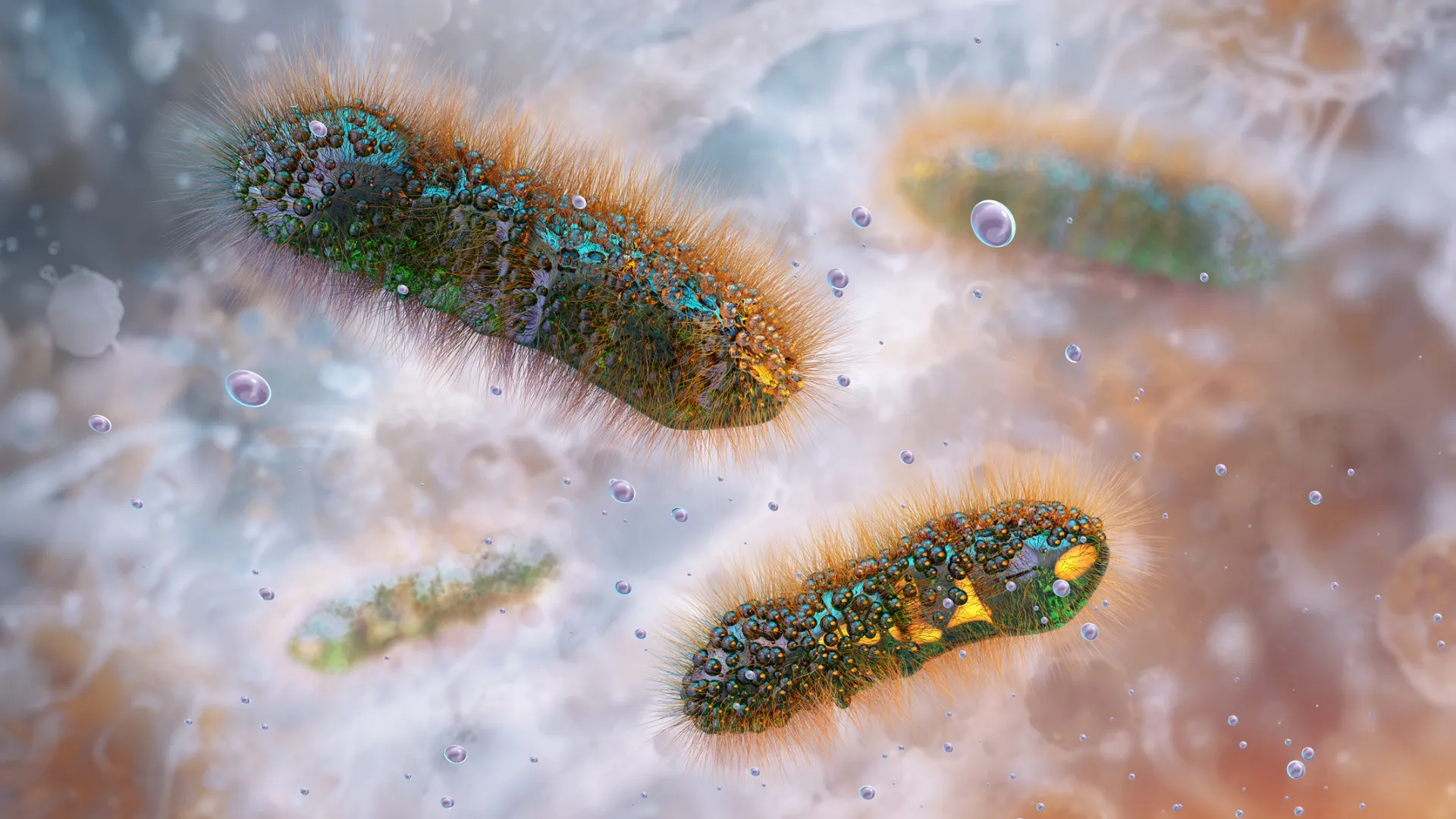
Shigellosis is a gastrointestinal illness caused by a group of bacteria called Shigella. Associated symptoms include acute diarrhea, vomiting, stomach pain and fever up to seven days. In most instances, those with shigellosis are able to recover on their own, but patients with more severe cases may require antibiotics and hospitalization.
The primary way shigellosis spreads is via the fecal-oral route, usually from contaminated food and water. However, another transmission method has become increasingly prevalent: There is a “distinct and intensifying sexual transmission of shigellosis,” said a study published in The Lancet. Traditional preventative measures for the disease, like handwashing and food safety, are “not likely” to help with this type of spread.
The Week
Escape your echo chamber. Get the facts behind the news, plus analysis from multiple perspectives.
Join more than 350,000 subscribers and keep yourself informed with a selection of The Week’s most interesting, enlightening and entertaining stories - plus daily puzzles.
Join more than 350,000 subscribers and keep yourself informed with a selection of The Week’s most interesting, enlightening and entertaining stories - plus daily puzzles.
The infection is most commonly passed between men who sleep with other men. “Many men who have sex with men are unaware of the serious and increasing risk posed by sexually transmitted Shigella,” senior study author Kate Baker said in a statement.
How common is it?
While there is public concern about the spread of the illness, there has not yet been a major outbreak. According to the most recent CDC data, almost 15,000 people have been diagnosed with shigellosis in the U.S. in 2026, and it has been found in 47 states. These numbers are similar to last year’s count. But there has also been a rise in the number of antibiotic-resistant cases.
Among nearly 17,000 Shigella species isolates with resistance data, extensively drug-resistant (XDR) isolates increased between 2011 and 2023, according to an analysis by the CDC. Most U.S. outbreaks “involved drug-susceptible strains and primarily affected children,” but “national surveillance data indicate that most XDR cases occurred among adult men.”
XDR shigellosis is risky for children and disadvantaged populations like the unhoused. The infection has “gone from being relatively treatable with off-the-shelf drugs” to being “close to untreatable over the course of the last decade or so,” said Baker.
Sign up to get Today’s Best Articles in your inbox
A free daily email with the day’s biggest news and analysis – and the best features from TheWeek.com
Devika Rao has worked as a staff writer at The Week since 2022, covering science, the environment, climate and business. She previously worked as a policy associate for a nonprofit organization advocating for environmental action from a business perspective.