Sign up to get Today’s Best Articles in your inbox
Join 350,000+ subscribers and keep yourself informed with a selection of
The Week’s most interesting, enlightening and entertaining stories - plus daily puzzles.
You are now subscribed
Your newsletter sign-up was successful
Want to add more newsletters?
An account already exists for this email address, please log in.
Pneumonic plague: what we know about a Russian lab worker’s death
Numerous people have been quarantined as a result of the disease
Concerns are sweeping across Russia and the world after a laboratory technician reportedly died from pneumonic plague in Siberia. Many more people are now being quarantined. But health officials in the United States say there is no reason to worry about a global outbreak, at least for the time being.
What happened in Russia?
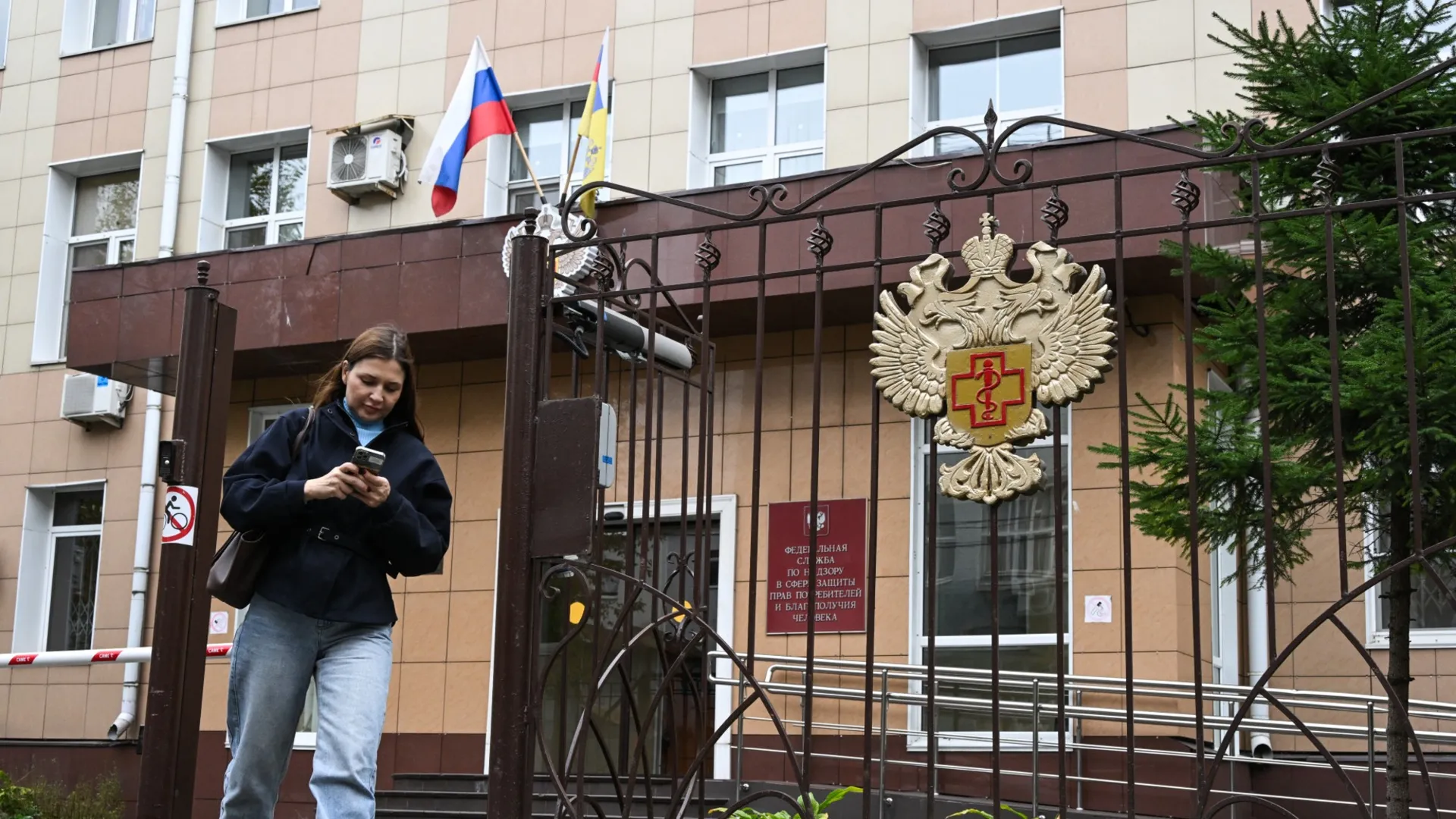
A 28-year-old researcher at the Irkutsk Antiplague Research Institute of Siberia in the town of Shelekhov died last week after being infected with pneumonia of “unknown” origin, according to Russia’s public health agency, Rospotrebnadzor. The disease is now possibly believed to be pneumonic plague, an illness “caused by bacteria, Yersinia pestis, famous for causing the Black Death, that remains with us today mostly in animals across parts of Asia, Africa and the Americas,” Simon Clarke, a professor of cellular microbiology at the U.K.’s University of Reading, said in a statement.
The disease is deadly but “generally treatable with antibiotics if identified quickly,” said Clarke. After the researcher’s death, “dozens of people were reported to be in isolation,” even as Russia claimed “no microorganisms associated with the employee’s professional duties were detected in samples taken from the patient,” said CNN. The head of Rospotrebnadzor later arrived in Shelekhov to hold an emergency meeting about a “particularly dangerous infection,” said Russian news outlet IRK. It was originally reported that the worker who died caught the disease from a broken test tube, which Russia has denied.
The Week
Escape your echo chamber. Get the facts behind the news, plus analysis from multiple perspectives.
Join more than 350,000 subscribers and keep yourself informed with a selection of The Week’s most interesting, enlightening and entertaining stories - plus daily puzzles.
Join more than 350,000 subscribers and keep yourself informed with a selection of The Week’s most interesting, enlightening and entertaining stories - plus daily puzzles.
Given the similarities to the alleged coronavirus lab leak cover-up, some people have “likened the reports coming out of Russia to those that circulated in the early days of the Covid-19 outbreak in early 2020,” said Time. But for now, experts are saying a similar pandemic is unlikely. It is “important to remember that pneumonic plague is a very different disease,” Clarke said. U.S. officials say they will continue to watch for updates.
The State Department has also sent a letter to Moscow warning that its “failure to disclose details about the death of a lab worker from a plague research center in Siberia runs counter to its international health obligations,” said The Wall Street Journal. The U.S. is “monitoring it closely,” Secretary of State Marco Rubio told reporters. “I don't think it's cause for alarm, but it is cause for focus.”
Sign up to get Today’s Best Articles in your inbox
A free daily email with the day’s biggest news and analysis – and the best features from TheWeek.com
Justin Klawans has worked as a staff writer at The Week since 2022. He began his career covering local news before joining Newsweek as a breaking news reporter, where he wrote about politics, national and global affairs, business, crime, sports, film, television and other news. Justin has also freelanced for outlets including Collider and United Press International.