America's Tokyo Olympics viewership hit a new low for NBC

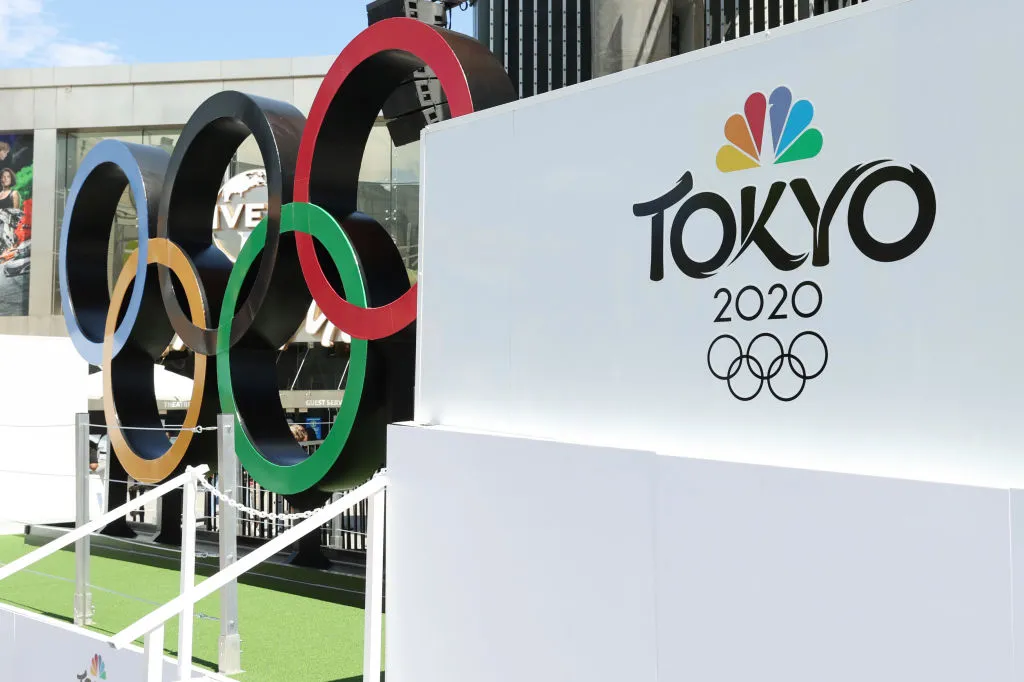
U.S. athletes won more medals, 113, and more gold medals, 39, at the Tokyo Olympics than any other country, but fewer Americans tuned in to watch them than in previous years, NBCUniversal said Monday. The average prime-time viewership over the 17 days, 15.5 million households, was the lowest since NBC started broadcasting the Games in 1988 and represented a 42 percent drop from the Rio Olympics in 2016.
NBC Sports Chairman Pete Bevacqua said NBC was "prepared for these numbers," adding, "For better or worse, I really do believe the pandemic and postponement impacted these games," even though they still "will be very, very profitable for NBCUniversal." NBC owns the U.S. media rights to the Olympics through 2032.
The Week
Escape your echo chamber. Get the facts behind the news, plus analysis from multiple perspectives.

Sign up for The Week's Free Newsletters
Join more than 350,000 subscribers and keep yourself informed with a selection of The Week’s most interesting, enlightening and entertaining stories - plus daily puzzles.
Join more than 350,000 subscribers and keep yourself informed with a selection of The Week’s most interesting, enlightening and entertaining stories - plus daily puzzles.


