Trump’s plan to ‘nationalize’ US elections
States oversee voting. Will Republicans take over?

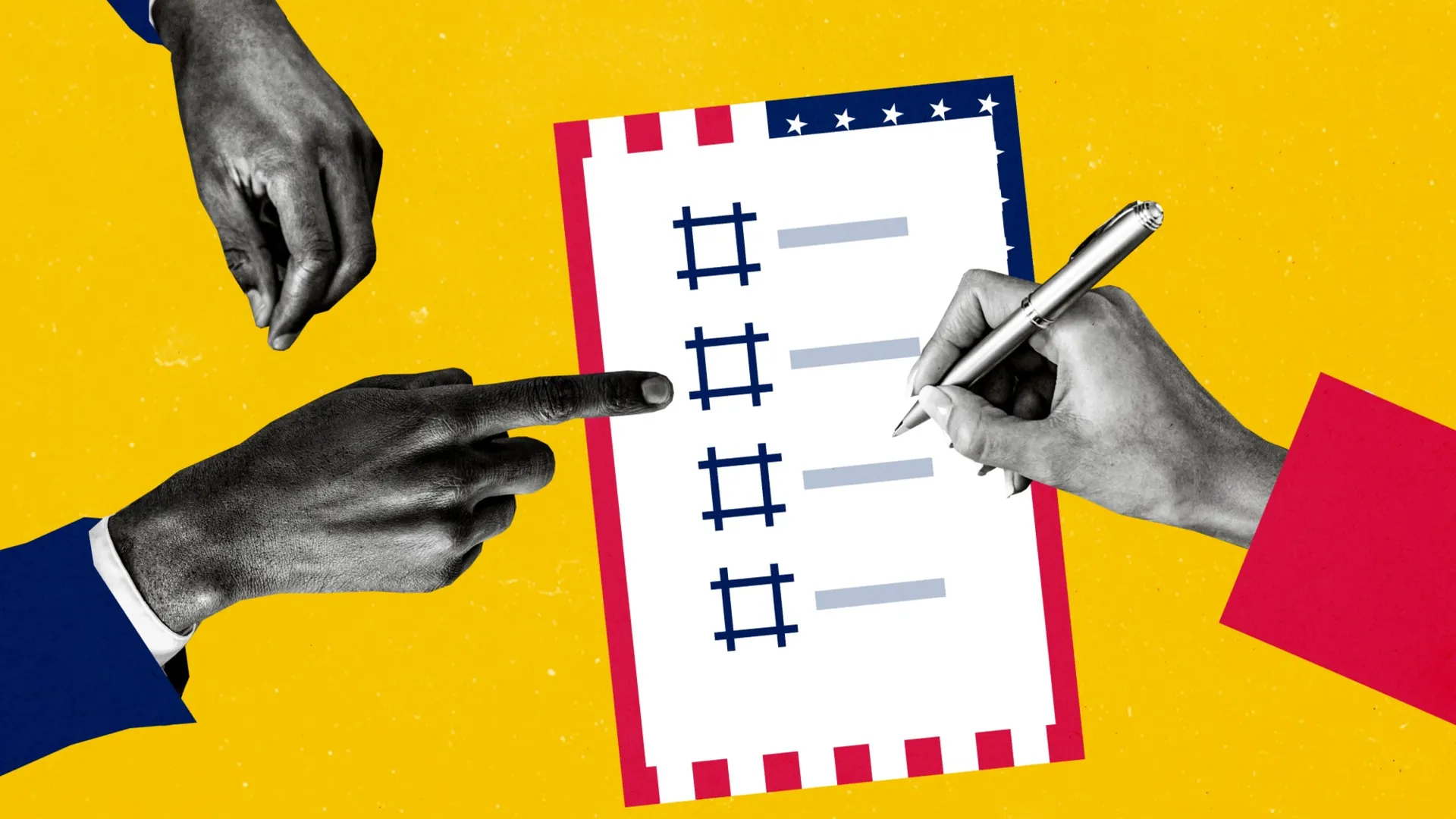
U.S. elections are run by state governments, but President Donald Trump, still brooding over his loss in 2020, says he wants to “nationalize” American elections. Democrats and other critics see a looming attempt to rig the voting process.
Trump has long falsely claimed he won the 2020 election, said NBC News, and the loss remains a sore spot. There are swing states “that I won that show I didn’t win,” the president said in a recent podcast interview. His suggested solution is that Republicans “ought to nationalize the voting.” But the U.S. Constitution gives states — not the federal government — authority over the “times, places and manner” of federal elections, said USA Today. Trump’s proposal is “outlandishly illegal,” said Senate Minority Leader Chuck Schumer (D-N.Y.) on the Senate floor.
An electoral power grab?
The Week
Escape your echo chamber. Get the facts behind the news, plus analysis from multiple perspectives.

Sign up for The Week's Free Newsletters
Join more than 350,000 subscribers and keep yourself informed with a selection of The Week’s most interesting, enlightening and entertaining stories - plus daily puzzles.
Join more than 350,000 subscribers and keep yourself informed with a selection of The Week’s most interesting, enlightening and entertaining stories - plus daily puzzles.
Making elections secure

-
-
 talking pointsA leadership power vacuum may await Republicans
 -
 QUOTE OF THE DAY‘What kind of culture looks at sexual violence and sees an opportunity for profit? This is rape culture. And it should disturb every single one of us.’
 -
 today’s big questionHow long can US consumers continue their spending spree?
-
-
-
talking pointsA leadership power vacuum may await Republicans
-
QUOTE OF THE DAY‘What kind of culture looks at sexual violence and sees an opportunity for profit? This is rape culture. And it should disturb every single one of us.’
-
today’s big questionHow long can US consumers continue their spending spree?
-