Some Kremlin insiders reportedly fear Putin will use nukes in Ukraine
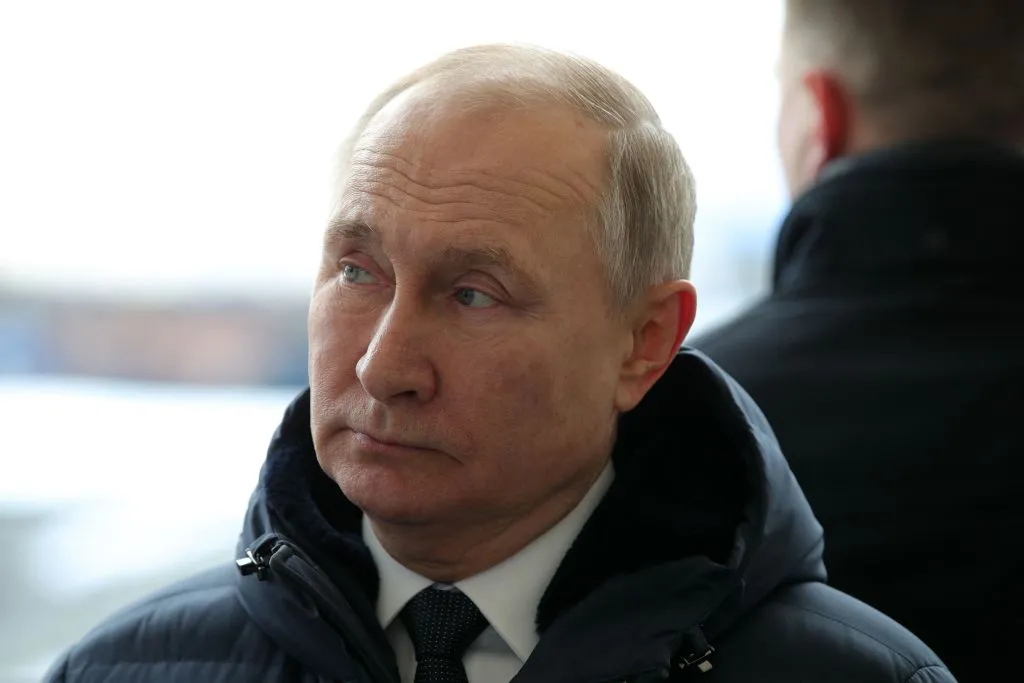
Some Kremlin insiders have begun surreptitiously expressing concerns about the mounting costs of Russia's invasion of Ukraine and the possibility that Russian President Vladimir Putin could order the use of nuclear weapons to achieve his war goals, Bloomberg reported Wednesday.
Bloomberg based its report on information provided by 10 anonymous "people with direct knowledge of the situation."
Russia's setbacks in Ukraine have given Russian elites plenty of reasons to doubt the wisdom of invading. Last month, a pro-Kremlin tabloid posted an article that claimed 9,861 Russian soldiers had died in Ukraine, more than the United States lost in the entire Iraq War. The tabloid stealth-edited out the casualty figures a few hours later. Also, Russian forces recently launched a new offensive in eastern Ukraine after abandoning their costly attempt to capture the capital city of Kyiv.
The Week
Escape your echo chamber. Get the facts behind the news, plus analysis from multiple perspectives.
Sign up for The Week's Free Newsletters
From our morning news briefing to a weekly Good News Newsletter, get the best of The Week delivered directly to your inbox.
Per Bloomberg, "support for Putin's war remains deep across much of Russia's elite" despite stiffer-than-expected Ukrainian resistance. "[P]ublic backing" for the war also "remains strong," as Russian citizens have seen the ruble's value rebound after an initial plunge caused by Western sanctions.
Because of Putin's "total domination of the political system," Bloomberg notes, "alternative views take root only in private," with critics of the war unwilling or unable to challenge Putin publicly.
Putin said during a televised address last month that Russians who side with the West over him are "scum and traitors" who should be removed from Russian society.
A free daily email with the biggest news stories of the day – and the best features from TheWeek.com
Grayson Quay was the weekend editor at TheWeek.com. His writing has also been published in National Review, the Pittsburgh Post-Gazette, Modern Age, The American Conservative, The Spectator World, and other outlets. Grayson earned his M.A. from Georgetown University in 2019.
-
Trump’s Greenland ambitions push NATO to the edgeTalking Points The military alliance is facing its worst-ever crisis
-
Childhood vaccines: RFK Jr. escalates his warFeature The health secretary cut the number of recommended childhood vaccines from 17 to 11
-
Jan. 6: Ultimately a success?Feature The White House website offers a revisionist history of the Jan. 6 coup attempt
-
What would a UK deployment to Ukraine look like?Today's Big Question Security agreement commits British and French forces in event of ceasefire
-
Would Europe defend Greenland from US aggression?Today’s Big Question ‘Mildness’ of EU pushback against Trump provocation ‘illustrates the bind Europe finds itself in’
-
Did Trump just end the US-Europe alliance?Today's Big Question New US national security policy drops ‘grenade’ on Europe and should serve as ‘the mother of all wake-up calls’
-
Is conscription the answer to Europe’s security woes?Today's Big Question How best to boost troop numbers to deal with Russian threat is ‘prompting fierce and soul-searching debates’
-
Trump peace deal: an offer Zelenskyy can’t refuse?Today’s Big Question ‘Unpalatable’ US plan may strengthen embattled Ukrainian president at home
-
Vladimir Putin’s ‘nuclear tsunami’ missileThe Explainer Russian president has boasted that there is no way to intercept the new weapon
-
The Baltic ‘bog belt’ plan to protect Europe from RussiaUnder the Radar Reviving lost wetland on Nato’s eastern flank would fuse ‘two European priorities that increasingly compete for attention and funding: defence and climate’
-
How should Nato respond to Putin’s incursions?Today’s big question Russia has breached Nato airspace regularly this month, and nations are primed to respond