Nick Offerman: We can stop discussing feminism when guys 'can legitimately complain'

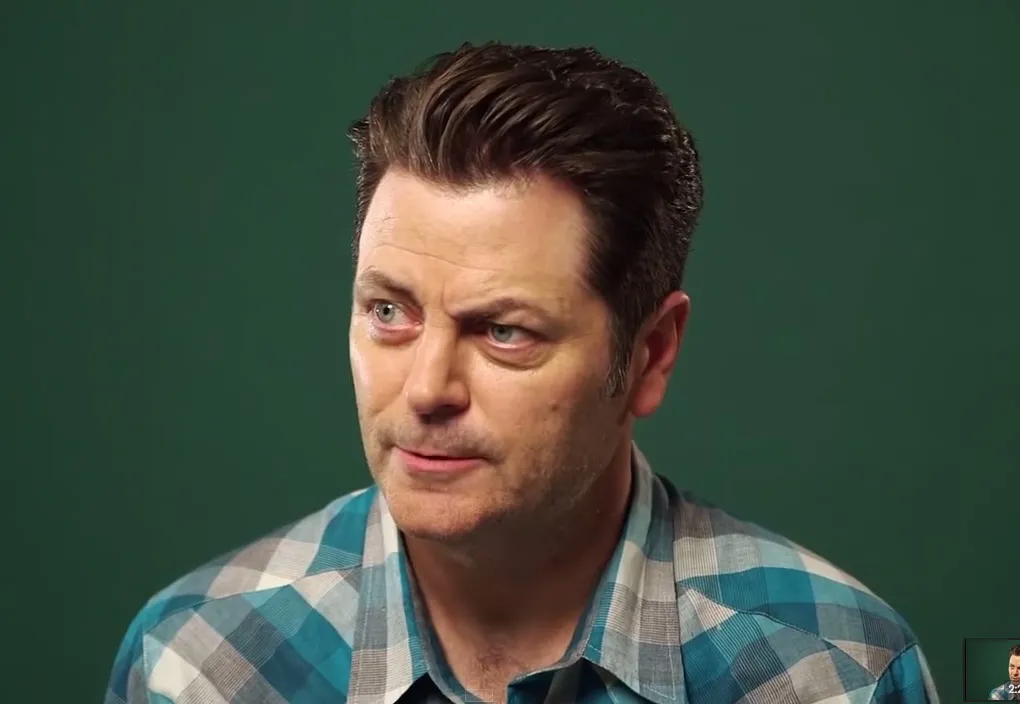
Actor and woodcraft enthusiast Nick Offerman has a book out with profiles of people he admires, and he sat down with Time to discuss what its title, Gumption, means to him. Gumption is a quality that connects a diverse group including Conan O'Brien, Willie Nelson, and Yoko Ono, he explained, and "it involves spunk and courage and stamina and character and integrity." And if openly expressing your admiration for Yoko Ono isn't brave enough, Offerman broached the subject of feminism:
Feminism is an important quality, I think, in society, and something that needs to be talked about until we can legitimately complain — until the guys are, like, "Hey, hang on, you're making more money than us." That's when we can stop talking about feminism. We are slowly evolving. [Offerman]

The Week
Escape your echo chamber. Get the facts behind the news, plus analysis from multiple perspectives.

Sign up for The Week's Free Newsletters
Join more than 350,000 subscribers and keep yourself informed with a selection of The Week’s most interesting, enlightening and entertaining stories - plus daily puzzles.
Join more than 350,000 subscribers and keep yourself informed with a selection of The Week’s most interesting, enlightening and entertaining stories - plus daily puzzles.


