California residents cut water use 31.3 percent in July, surpassing goal

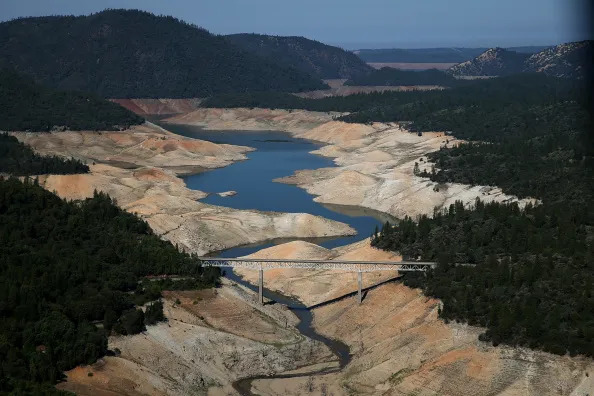
In July, California cut its water use by 31.3 percent, exceeding a goal of 25 percent set by Gov. Jerry Brown (D) in April.
Santa Barbara, Santa Cruz, and San Francisco were among the cities that saved the most, and Beverly Hills was at the bottom of the list. "San Francisco is achieving 17 percent of cumulative savings, and that's a real success story," said Max Gomberg, climate and conservation manager at the State Water Board Office of Research, Planning, and Performance. He told Al Jazeera other cities should take a look at its "edgy, some might even call R-rated" public awareness campaign, with slogans that include "Nozzle Your Hose: Limit outdoor watering" and "Gardens Gone Wild: Use native, water-efficient plants."
The Week
Escape your echo chamber. Get the facts behind the news, plus analysis from multiple perspectives.

Sign up for The Week's Free Newsletters
Join more than 350,000 subscribers and keep yourself informed with a selection of The Week’s most interesting, enlightening and entertaining stories - plus daily puzzles.
Join more than 350,000 subscribers and keep yourself informed with a selection of The Week’s most interesting, enlightening and entertaining stories - plus daily puzzles.