Seattle becomes first U.S. city to let Uber, Lyft drivers unionize

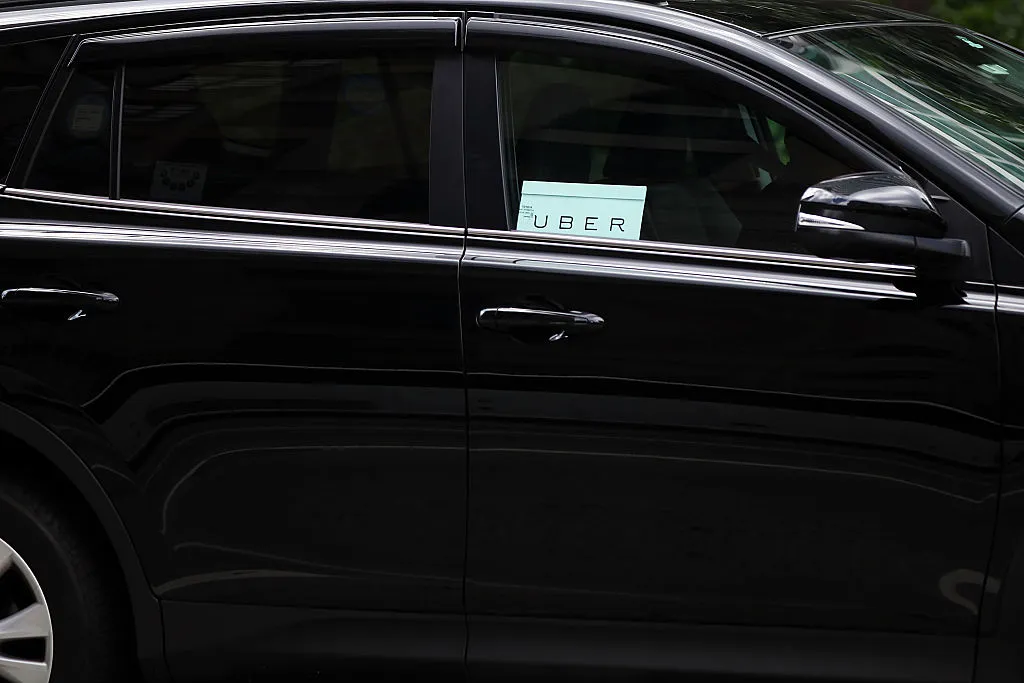
On Monday, the Seattle City Council voted 8-0 in favor of legislation that lets drivers working for Uber, Lyft, and other ride-sharing companies unionize over working conditions and pay.
"My intent is to make sure that the people, the drivers, the workers in our community continue to have access to good wage jobs," Councilmember Mike O'Brien said. Seattle is the first city in the United States to pass such a measure, which is opposed by Uber and Lyft, who say federal labor law prevents cities from regulating collective bargaining. Under the ordinance, the companies would have to hand over to the city a list of drivers in Seattle, and if a majority of the drivers agree to it, the companies would have to bargain with them; the drivers would be represented by a nonprofit organization certified by the city, The Associated Press reports.
The Week
Escape your echo chamber. Get the facts behind the news, plus analysis from multiple perspectives.

Sign up for The Week's Free Newsletters
Join more than 350,000 subscribers and keep yourself informed with a selection of The Week’s most interesting, enlightening and entertaining stories - plus daily puzzles.
Join more than 350,000 subscribers and keep yourself informed with a selection of The Week’s most interesting, enlightening and entertaining stories - plus daily puzzles.


