The Obama administration is pulling back the curtain on drone deaths

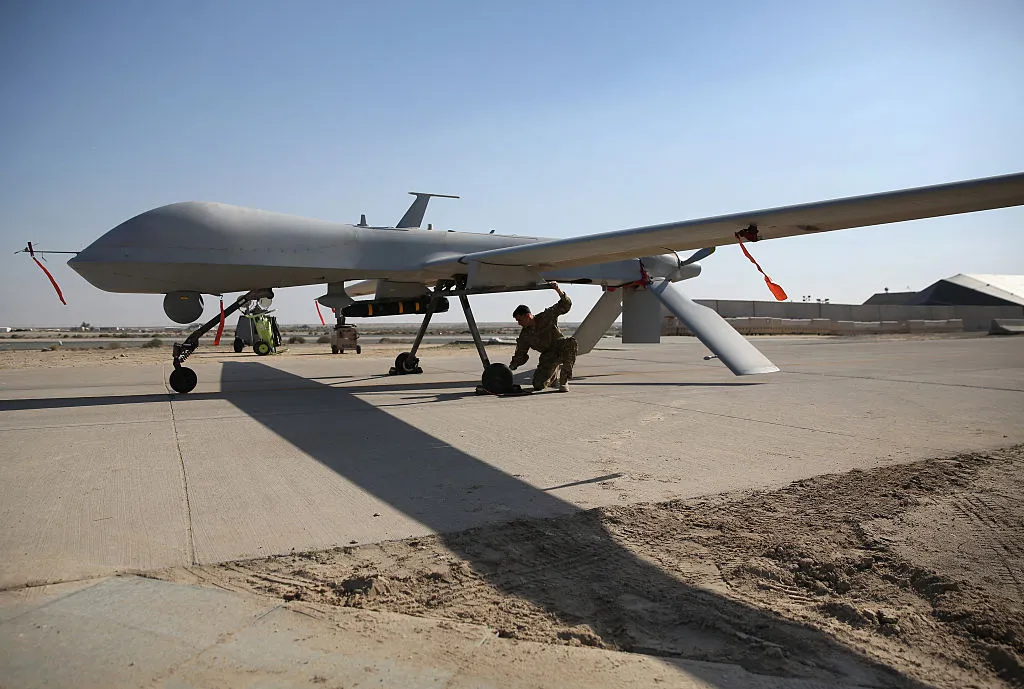
President Obama did not start America's drone warfare program, but he greatly ramped up the use of unmanned aerial vehicles to strike targeted militants — and, sometimes, people who were not targets. The number of people killed by U.S. drones, intentionally and accidentally, has been a secret, but the Obama administration said Monday that in the next few weeks, it will release data on combatant and noncombatant drone deaths dating back to the beginning of Obama's first term in 2009.
The drone fatality number is expected to include CIA strikes in Yemen and Pakistan, programs once highly classified, but not drone strikes in "areas of active hostilities" like Iraq and Syria, The Wall Street Journal reports. White House Homeland Security adviser Lisa Monaco announced the new drone policy, explaining the goal was to increase transparency in the U.S. and abroad. "We know that not only is greater transparency the right thing to do, it is the best way to maintain the legitimacy of our counterterrorism actions and the broad support of our allies," she said Monday in a speech to the Council on Foreign Relations. She added that from now on, drone deaths will be publicly tallied on an annual basis.
The Week
Escape your echo chamber. Get the facts behind the news, plus analysis from multiple perspectives.

Sign up for The Week's Free Newsletters
Join more than 350,000 subscribers and keep yourself informed with a selection of The Week’s most interesting, enlightening and entertaining stories - plus daily puzzles.
Join more than 350,000 subscribers and keep yourself informed with a selection of The Week’s most interesting, enlightening and entertaining stories - plus daily puzzles.


