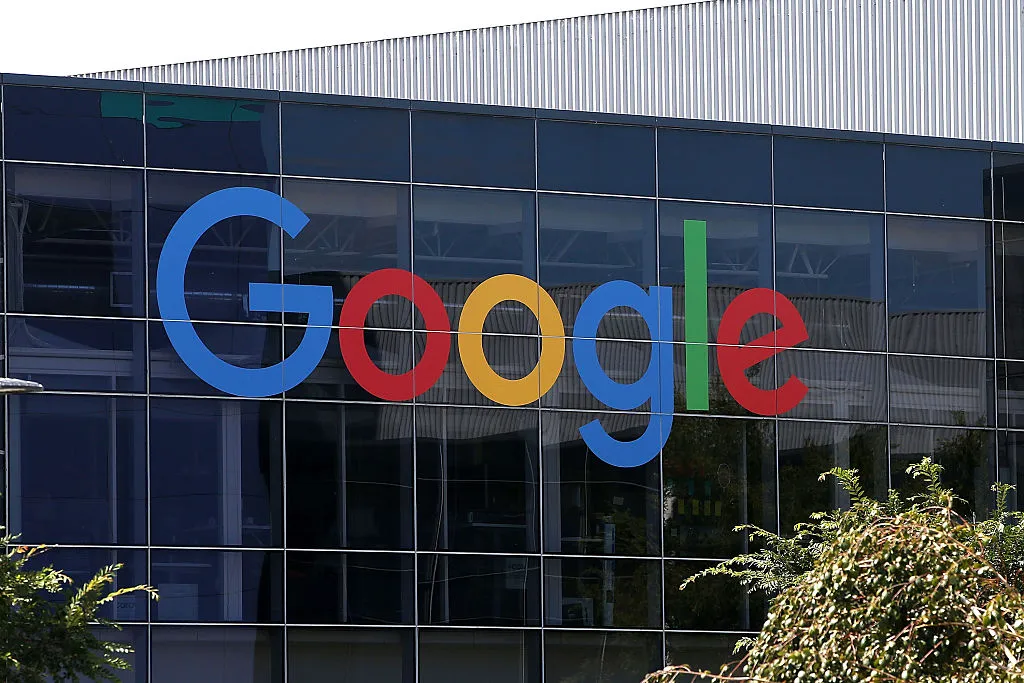
Google to ban ads for payday lenders
Starting July 13, Google is banning advertisements for payday loans and some related products, a move designed to protect users from "deceptive or harmful financial products."
In a post on the Google Public Policy Blog, the company said it will no longer allow ads for loans where repayment is due within 60 days of the date of issue, and in the United States, will ban ads for loans with an APR of 36 percent or higher. The company made the decision after conducting extensive research, and the new policy will not affect companies offering mortgages, car loans, commercial loans, student loans, or revolving lines of credit. Google also revealed that in 2015, it disabled more than 780 million ads "for reasons ranging from counterfeiting to phishing."
In the U.S., the $38.5 billion payday-lending industry works with roughly 12 million customers every year, offering small loans at interest rates that can exceed 300 percent, The Wall Street Journal reports. The sector's main trade group, the Community Financial Services Association of America, is upset by Google's decision, and released a statement saying: "The internet is meant to express the free flow of ideas and enhance commerce. This is unfair toward those that are legal, licensed lenders and uphold best business practices."
The Week
Escape your echo chamber. Get the facts behind the news, plus analysis from multiple perspectives.
Sign up for The Week's Free Newsletters
From our morning news briefing to a weekly Good News Newsletter, get the best of The Week delivered directly to your inbox.
A free daily email with the biggest news stories of the day – and the best features from TheWeek.com
Catherine Garcia has worked as a senior writer at The Week since 2014. Her writing and reporting have appeared in Entertainment Weekly, The New York Times, Wirecutter, NBC News and "The Book of Jezebel," among others. She's a graduate of the University of Redlands and the Columbia University Graduate School of Journalism.
-
How robust is the rule of law in the US?In the Spotlight John Roberts says the Constitution is ‘unshaken,’ but tensions loom at the Supreme Court
-
Magazine solutions - December 26-January 2Puzzles and Quizzes Issue - December 26-January 2
-
Venezuela ‘turning over’ oil to US, Trump saysSpeed Read This comes less than a week after Trump captured the country’s president
-
TikTok secures deal to remain in USSpeed Read ByteDance will form a US version of the popular video-sharing platform
-
Unemployment rate ticks up amid fall job lossesSpeed Read Data released by the Commerce Department indicates ‘one of the weakest American labor markets in years’
-
US mints final penny after 232-year runSpeed Read Production of the one-cent coin has ended
-
Warner Bros. explores sale amid Paramount bidsSpeed Read The media giant, home to HBO and DC Studios, has received interest from multiple buying parties
-
Gold tops $4K per ounce, signaling financial uneaseSpeed Read Investors are worried about President Donald Trump’s trade war
-
Electronic Arts to go private in record $55B dealspeed read The video game giant is behind ‘The Sims’ and ‘Madden NFL’
-
New York court tosses Trump's $500M fraud fineSpeed Read A divided appeals court threw out a hefty penalty against President Trump for fraudulently inflating his wealth
-
Trump said to seek government stake in IntelSpeed Read The president and Intel CEO Lip-Bu Tan reportedly discussed the proposal at a recent meeting