Winston Churchill's 1932 doctor's note shows New York doctors have always been colorful

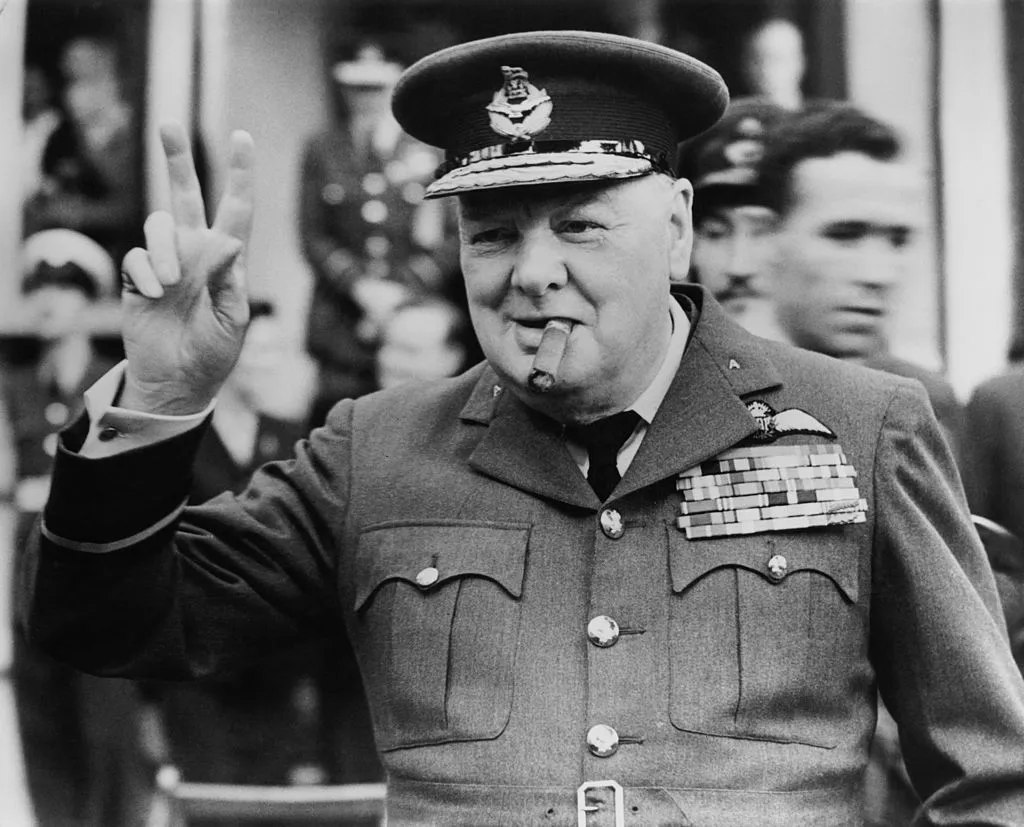
Donald Trump — who is dramatically unveiling some (presumably positive) health news on the TV today — has one of the most famous doctor's notes in modern history. Dr. Harold Bornstein, a gastroenterologist who is apparently Trump's primary care physician, touted Trump's "astonishingly excellent" medical test results last December and proclaimed him the "healthiest individual ever" to near the Oval Office, and his new health update can only be a step down, in terms of color.
The Week
Escape your echo chamber. Get the facts behind the news, plus analysis from multiple perspectives.

Sign up for The Week's Free Newsletters
Join more than 350,000 subscribers and keep yourself informed with a selection of The Week’s most interesting, enlightening and entertaining stories - plus daily puzzles.
Join more than 350,000 subscribers and keep yourself informed with a selection of The Week’s most interesting, enlightening and entertaining stories - plus daily puzzles.

-
-
 talking pointsAfter Pike disaster, is it time to rethink death penalty?
 -
 QUOTE OF THE DAY‘What it actually means in the American context is you want to replace American workers with foreign workers and you want boys to play in girls’ sports.’
 -
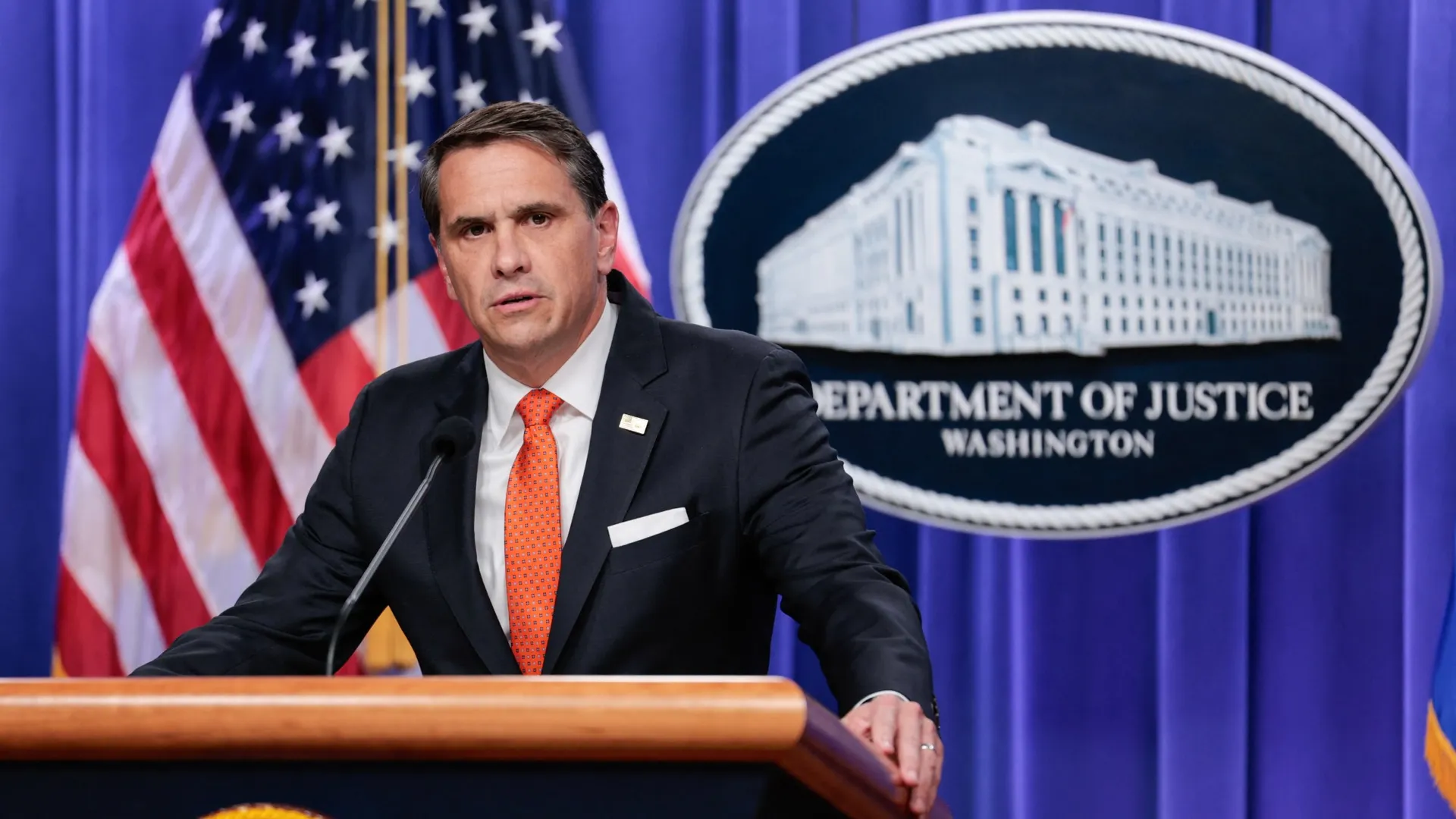 the explainerJustice Dept. launches largest-ever effort to strip citizenship
-
-
-
talking pointsAfter Pike disaster, is it time to rethink death penalty?
-
QUOTE OF THE DAY‘What it actually means in the American context is you want to replace American workers with foreign workers and you want boys to play in girls’ sports.’
-
the explainerJustice Dept. launches largest-ever effort to strip citizenship
-