Some 3.5 million Americans rose above the poverty line in 2015

In 2015, 3.5 millions Americans climbed out of poverty as the U.S. poverty rate fell by 1.2 percent, the sharpest annual decline since 1999, The New York Times reports, citing new U.S. Census data. No state reported an increase in poverty — typically defined as making less than $24,300 a year for a family of four — and 23 states saw a notable improvement in 2015. Preliminary evidence indicates that the positive trend has continued in 2016, though not as robustly. The black and Hispanic communities still have the highest poverty rates — 24.1 percent and 21.4 percent respectively, versus 13.4 percent overall and 9.1 percent for whites — but they also experienced the sharpest drops in poverty in 2015, the Times reports.
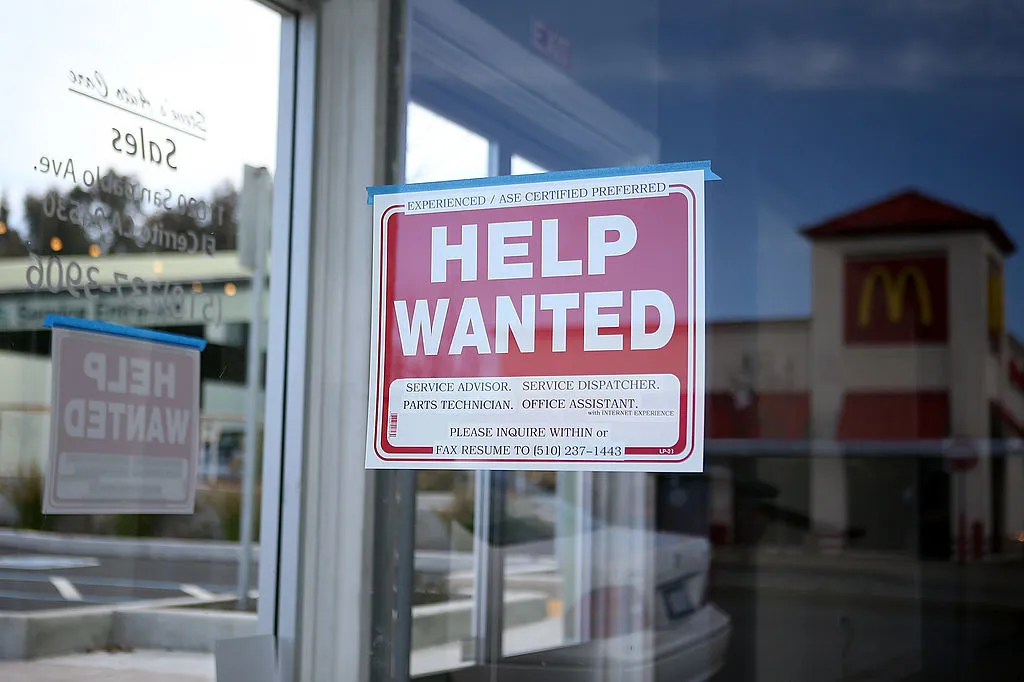
The big drivers of the decrease in poverty were the 2.9 million net new jobs, increased hours for part-time workers, and rising wages due to higher minimums in some large cities and states and increasing competition for labor, plus some effective local and federal back-to-work programs. "It all came together at the same time," business economist Diane Swonk tells the Times. "Lots of employment and wages gains, particularly in the lowest-paying end of the jobs spectrum, combined with minimum-wage increases that started to hit some very large population areas." At the same time, some 43 million Americans, including 14 million children, are still classified as poor. You can read more about the good and the bad at The New York Times.
The Week
Escape your echo chamber. Get the facts behind the news, plus analysis from multiple perspectives.

Sign up for The Week's Free Newsletters
Join more than 350,000 subscribers and keep yourself informed with a selection of The Week’s most interesting, enlightening and entertaining stories - plus daily puzzles.
Join more than 350,000 subscribers and keep yourself informed with a selection of The Week’s most interesting, enlightening and entertaining stories - plus daily puzzles.


