Report: Investigators wiretapped Manafort before and after the election

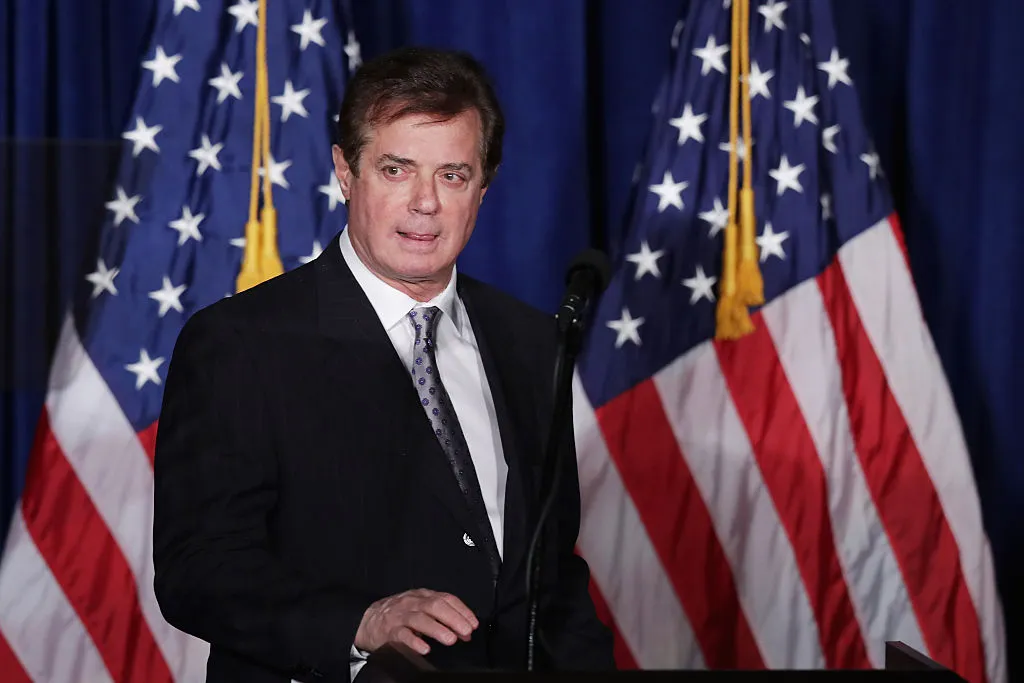
Both before and after the 2016 presidential election, U.S. investigators wiretapped President Trump's former campaign chairman Paul Manafort under secret court orders, several people with knowledge of the situation told CNN.
Three people said the intelligence collected includes communications that suggest Manafort may have encouraged Russians to help with the Trump campaign, three people told CNN, but two of those same sources said the evidence was not conclusive. The wiretaps were authorized by the court that handles the Foreign Intelligence Surveillance Act (FISA), and started after Manafort became the subject of a 2014 FBI investigation, centering around the consulting work he did for Ukraine's pro-Russia Party of Regions, CNN reports.
The Week
Escape your echo chamber. Get the facts behind the news, plus analysis from multiple perspectives.

Sign up for The Week's Free Newsletters
Join more than 350,000 subscribers and keep yourself informed with a selection of The Week’s most interesting, enlightening and entertaining stories - plus daily puzzles.
Join more than 350,000 subscribers and keep yourself informed with a selection of The Week’s most interesting, enlightening and entertaining stories - plus daily puzzles.


