Purchasing seafood in some American stores may inadvertently fund North Korean nuclear weapons
A free daily email with the biggest news stories of the day – and the best features from TheWeek.com
You are now subscribed
Your newsletter sign-up was successful
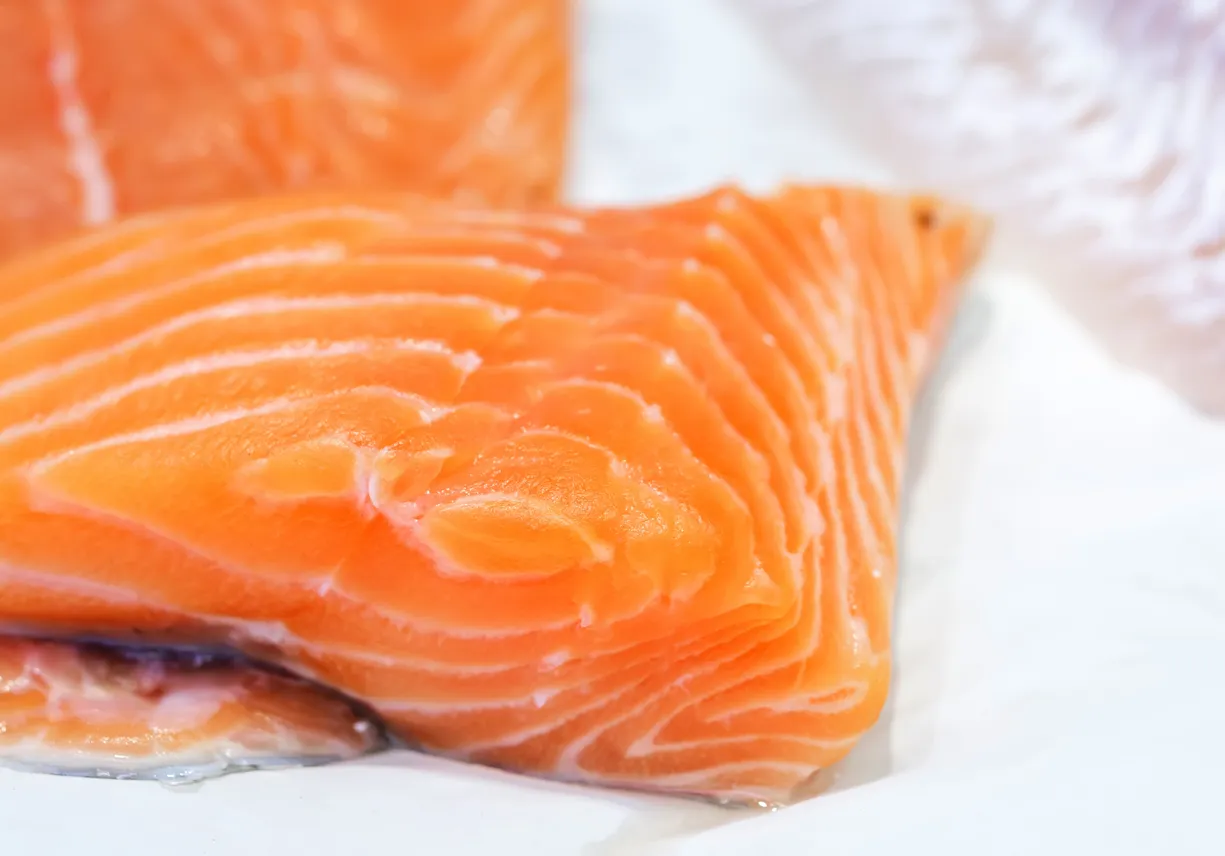
North Korean workers in China are processing seafood that ends up for sale in American stores, an Associated Press report published Wednesday revealed. The foods end up in U.S. retailers including Walmart and Aldi.
AP reporters made the discovery while observing a seafood processing plant in China that exports fish to American stores. The North Korean government sends workers to countries including China, Poland, Russia, Uruguay, and the Gulf states to work in a variety of industries, then strips them of a portion of their salaries — sometimes up to 70 percent. North Korean minders ensure that workers do not have access to phones or email and that workers walk between the dormitory and their jobs in pairs— conditions that many in the U.S. would refer to as "modern slavery."
The money that the North Korean regime skims off workers' salaries could be funding its nuclear efforts, AP said:
The Week
Escape your echo chamber. Get the facts behind the news, plus analysis from multiple perspectives.
Sign up for The Week's Free Newsletters
From our morning news briefing to a weekly Good News Newsletter, get the best of The Week delivered directly to your inbox.
At a time when North Korea faces sanctions on many exports, the government is sending tens of thousands of workers worldwide, bringing in revenue estimated at anywhere from $200 million to $500 million a year. That could account for a sizable portion of North Korea's nuclear weapons and missile programs, which South Korea says have cost more than $1 billion. [The Associated Press]
U.N. sanctions prevent North Korea from obtaining work permits for new workers abroad, but do nothing to constrict the workforce already overseas. John Connelly, president of the National Fisheries Institute, told AP, "While we understand that hiring North Korean workers may be legal in China, we are deeply concerned that any seafood companies could be inadvertently propping up the despotic regime."
Read the full report at The Associated Press.
A free daily email with the biggest news stories of the day – and the best features from TheWeek.com
Elianna Spitzer is a rising junior at Brandeis University, majoring in Politics and American Studies. She is also a news editor and writer at The Brandeis Hoot. When she is not covering campus news, Elianna can be found arguing legal cases with her mock trial team.q