A global team of scientists is scanning traces of DNA in Loch Ness to see if any are monstrous

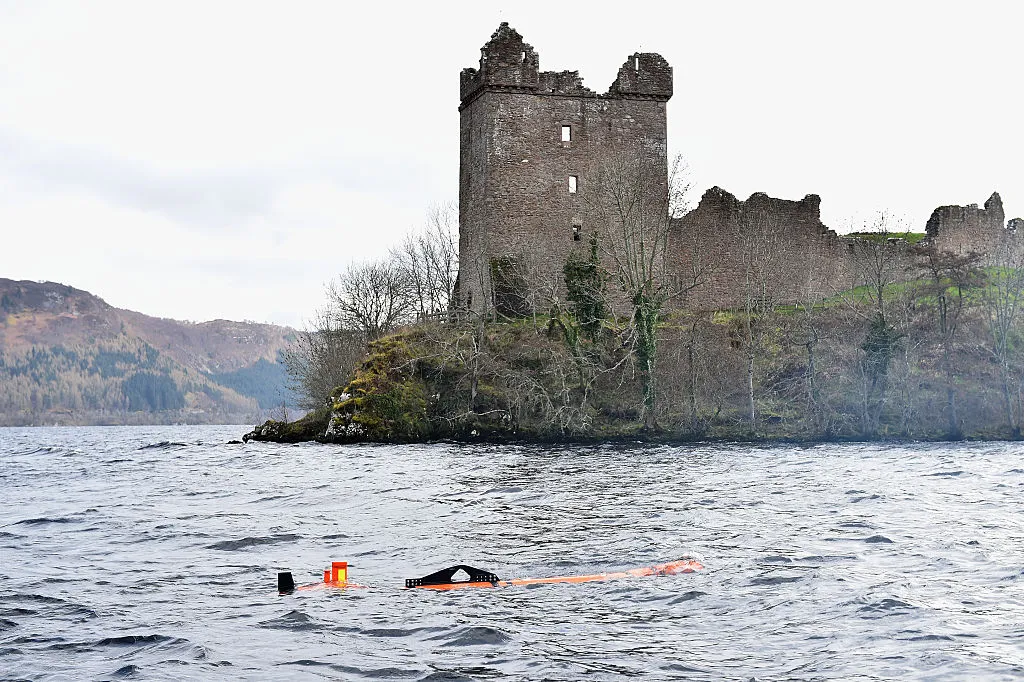
The Loch Ness monster may very well be nothing more than an elaborate hoax, but a team of scientists from around the world plans to find out once and for all. The researchers will test the "environmental DNA" of the Scottish waters where Nessie allegedly dwells in order to see if anything fishy comes up, Reuters reports.
The idea is that the inhabitants of a given environment leave their traces everywhere: bits of scales, feces, cryptozoological saliva, what have you. "This DNA can be captured, sequenced, and then used to identify that creature by comparing the sequence obtained to large databases of known genetic sequences from hundreds of thousands of different organisms," said Neil Gemmell, a professor at the University of Otago in New Zealand.
The Week
Escape your echo chamber. Get the facts behind the news, plus analysis from multiple perspectives.

Sign up for The Week's Free Newsletters
Join more than 350,000 subscribers and keep yourself informed with a selection of The Week’s most interesting, enlightening and entertaining stories - plus daily puzzles.
Join more than 350,000 subscribers and keep yourself informed with a selection of The Week’s most interesting, enlightening and entertaining stories - plus daily puzzles.



