Trump calls the impeachment inquiry 'a COUP.' Twitter suggests he consult the Constitution, dictionary.
A free daily email with the biggest news stories of the day – and the best features from TheWeek.com
You are now subscribed
Your newsletter sign-up was successful
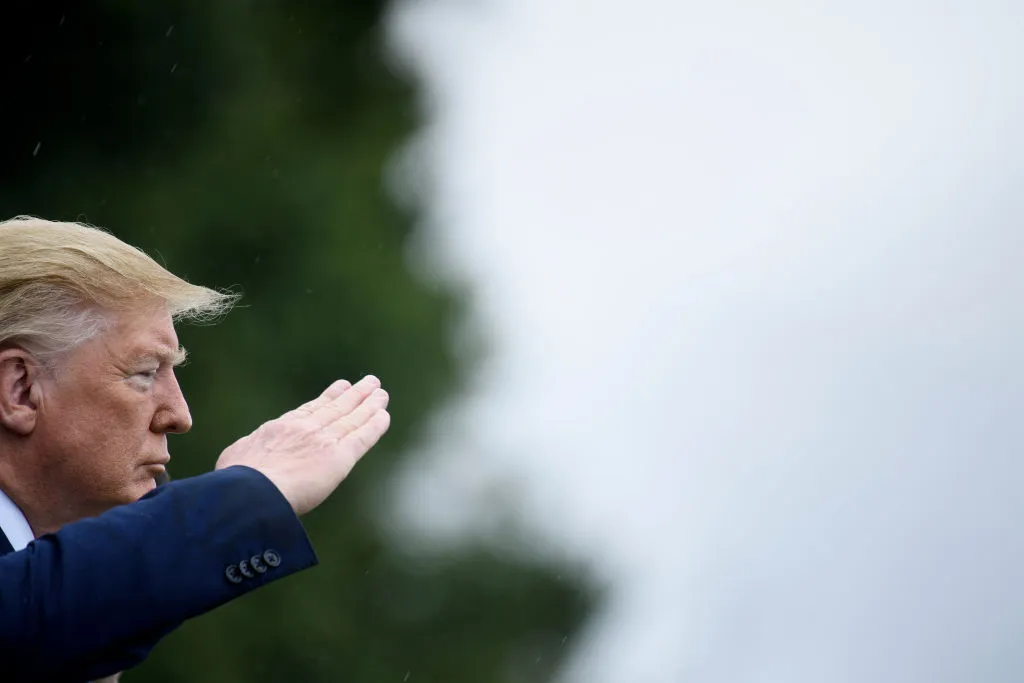
Over the weekend, President Trump tweeted a warning that the House's impeachment inquiry into his interactions with Ukraine could push the country to civil war, and on Tuesday, he tweeted that he's "coming to the conclusion that what is taking place is not an impeachment, it is a COUP, intended to take away the Power of the People." Obviously, it isn't.
A coup d'état is "the violent overthrow or alteration of an existing government by a small group," usually by the military. Impeachment is a form of extraordinary constitutional remedy granted the duly elected and co-equal legislative branch of the U.S. government. "The 'coup' stuff, just like the civil war stuff can be traced to pro-Trump media where it floated up into the Hannitys of the world and then to the president," The New York Times' Charlie Warzel explained. It's jarring when the president of the United States tweets it.
Not only is it dangerous, it's also pretty nonsensical.
Article continues belowThe Week
Escape your echo chamber. Get the facts behind the news, plus analysis from multiple perspectives.
Sign up for The Week's Free Newsletters
From our morning news briefing to a weekly Good News Newsletter, get the best of The Week delivered directly to your inbox.
In any case, 20 Republican senators would have to side with all 47 members of the Democratic caucus to actually remove Trump from office, so this isn't exactly a power move on Trump's part. Peter Weber
A free daily email with the biggest news stories of the day – and the best features from TheWeek.com
Peter has worked as a news and culture writer and editor at The Week since the site's launch in 2008. He covers politics, world affairs, religion and cultural currents. His journalism career began as a copy editor at a financial newswire and has included editorial positions at The New York Times Magazine, Facts on File, and Oregon State University.