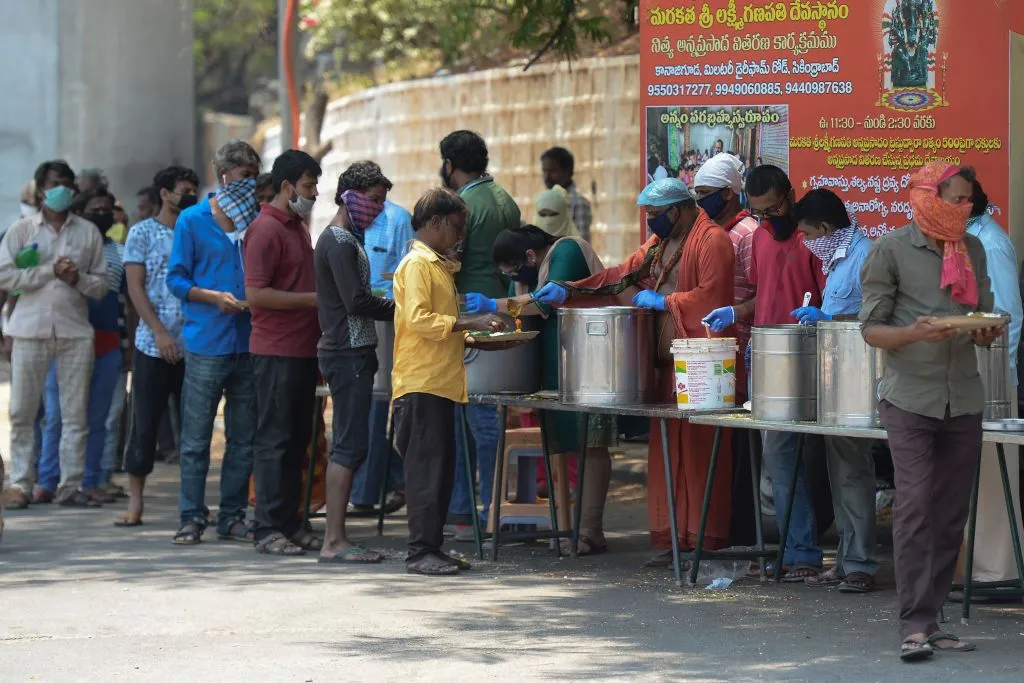
Coronavirus brings looming global food crisis into 'uncharted territory'
A free daily email with the biggest news stories of the day – and the best features from TheWeek.com
You are now subscribed
Your newsletter sign-up was successful
The coronavirus will almost have long-lasting consequences that will extend beyond the pandemic itself, including a looming global food crisis, The New York Times reports.
So far, the world is not dealing with new food shortages, but lockdowns across the globe are stripping people of their incomes, and there could soon be disruptions in the agriculture sector and supply chain, which, in addition to a variety of other factors, could leave many poor countries vulnerable to hunger.
Even if food prices don't surge, countries like Iran, which rely heavily on oil revenues, or Venezuela, Sudan, and Zimbabwe, which were already severely strained before the virus, could still feel the effects. Arif Husain, the chief economist at the World Food Program, said the pandemic could push 130 million more people to the brink of starvation by the end of 2020, bringing the total number of people facing food shortages to 265 million.
Article continues belowThe Week
Escape your echo chamber. Get the facts behind the news, plus analysis from multiple perspectives.
Sign up for The Week's Free Newsletters
From our morning news briefing to a weekly Good News Newsletter, get the best of The Week delivered directly to your inbox.
"We've never seen anything like this before," Husain told the Times. "It wasn't a pretty picture to begin with, but this makes it truly unprecedented and uncharted territory." Read more at The New York Times.
A free daily email with the biggest news stories of the day – and the best features from TheWeek.com
Tim is a staff writer at The Week and has contributed to Bedford and Bowery and The New York Transatlantic. He is a graduate of Occidental College and NYU's journalism school. Tim enjoys writing about baseball, Europe, and extinct megafauna. He lives in New York City.