The Week The Week
flag of US
US
flag of UK
UK
https://cdn.mos.cms.futurecdn.net/flexiimages/jzblygzdxr1769609154.gif

SUBSCRIBE

Try 6 weeks free

Sign in
  • View Profile
  • Sign out
  • The Explainer
  • Talking Points
  • The Week Recommends
  • Podcasts
  • Newsletters
  • From the Magazine
  • The Week Junior
  • More
    • Politics
    • World News
    • Business
    • Health
    • Science
    • Food & Drink
    • Travel
    • Culture
    • History
    • Personal Finance
    • Puzzles
    • Photos
    • The Blend
    • All Categories
  • Newsletter sign up Newsletter
  • The Week Evening Review
    The ‘electrostate’, the femosphere, and LIV golf’s drive to survive

     
    TODAY’S BIG QUESTION

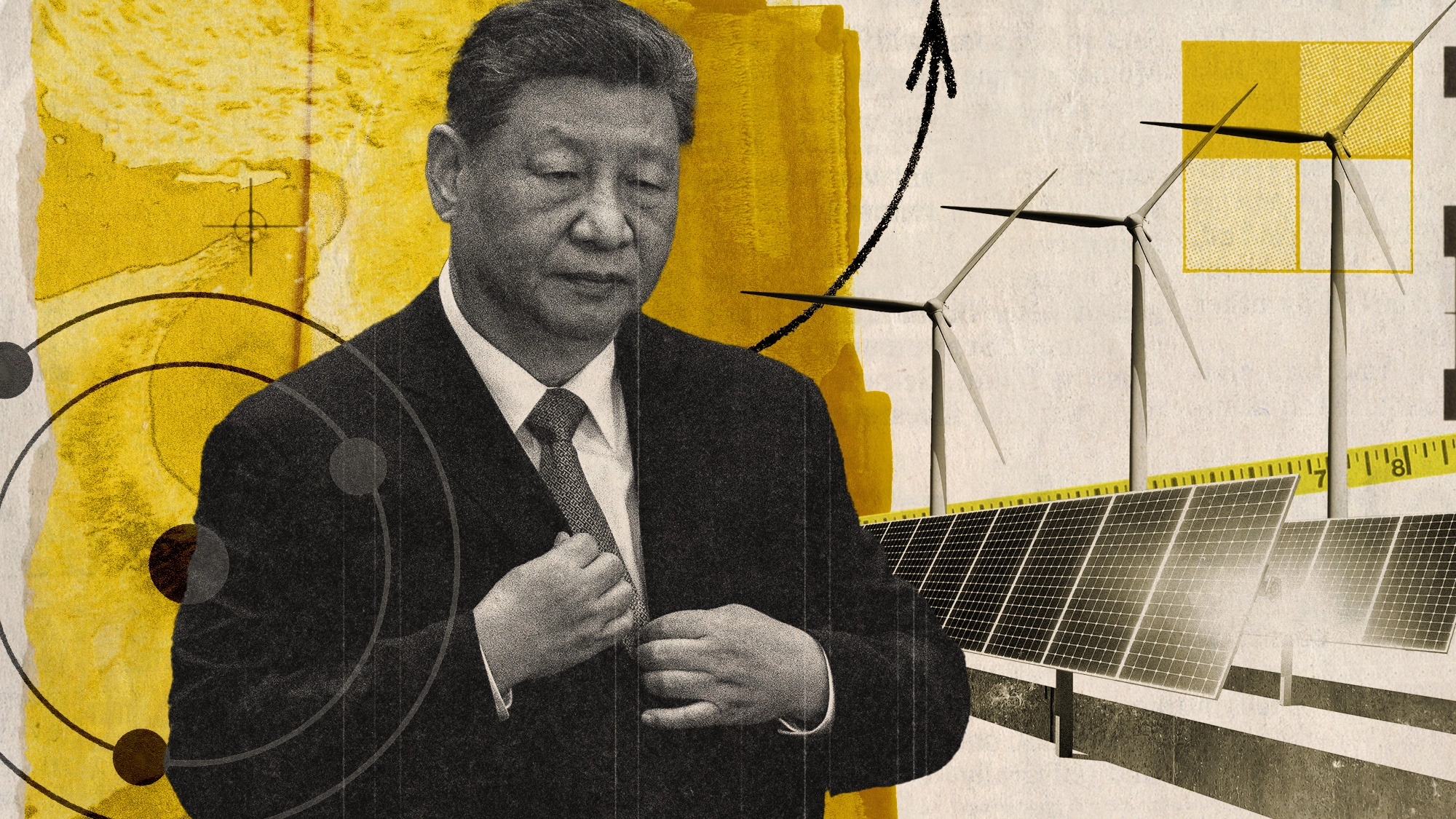
    Has Iran war supercharged China’s ‘electrostate’ power?

    European and Asian countries facing oil shortages are realising that “all paths to renewable power run through China and its exporters”, said The New York Times. Beijing has for decades “poured hundreds of billions of dollars into green energy” in its drive for energy independence. Its companies now lead the world in producing solar panels, batteries and nearly every other component of the 21st-century electrical grid needed to replace the oil currently bottled up in the Strait of Hormuz.

    What did the commentators say?
    China is inaugurating the “electrostate era”, said Foreign Policy. Beijing has spent years plotting an energy strategy “designed precisely for moments like this”. Nearly a third of the country’s energy consumption comes from electricity, and more than half of the cars sold there are electric. Beijing will not entirely avoid the consequences of the oil shock, but its “push to become an electrostate” will reduce the pain.

    The US war with Iran will “catalyse even more investment and interest in renewables”, Trivium China analyst Cory Combs told The New York Times. Consumers and governments are realising their energy supplies are at the “mercy of wars and chokepoints”, said The Wall Street Journal. Many are finding the answer in China’s wind and solar power production, “even if that means more dependence on a single country”.

    The US is pushing an “energy-hungry world” into China’s arms, said economist Paul Krugman on his Substack. Donald Trump has been attempting to “stop the renewable energy revolution”, but his “debacle in Iran” may help bring it to fruition ahead of schedule. And though the US may move beyond “Trump’s fossil fuel obsession”, by that time, “China’s lead in the manufacture of renewables will probably be insurmountable”.

    What next?
    The Iran war will have a “long-term psychological impact”, said economist Andy Xie in The South China Morning Post. The US and Israel have been in conflict with Iran for nearly half a century, and a ceasefire now will not change the underlying dynamic. Other countries will expect more oil shocks in the future, which will “shape national policies for many years”.


    THE EXPLAINER

    What is the femosphere?

    More than a quarter of women aged under 25 hold a negative view of men, according to a recent poll for The New Statesman. This “new radicalism”, said the outlet, challenges the “prevailing narrative” that the so-called gender war is being driven by radicalised young men.

    A “growing army” of female influencers broadly referred to as the femosphere is “urging” women to adopt a more cynical mindset when it comes to the opposite sex, said Sarah Ditum in The Times, and to “ditch their romantic delusions” and “be more aggressive in the dating game”.

    What is the femosphere?
    The term comes from the concept of the manosphere – a loose, online-based community promoting a view of “traditional masculinity”, with men in a dominant position while women are subservient. The femosphere flips manosphere terminology on its head: instead of “taking the red pill” (embracing the belief that society does not value men), the “pink-pill philosophy” encourages women to break with the egalitarian conventions of liberal feminism and see men as the “problem sex”.

    What does that mean in practice?
    Femosphere philosophy urges women to avoid casual relationships with men and to “adopt a more emotionally distant, calculated approach” to dating, said NBC News. Mirroring the “pick-up artists” of the manosphere, the femosphere has its own “female dating strategists”, said The Guardian. They include “dark feminine” influencers who “encourage women to find men to support them financially”.

    The appeal is understandable, feminist theorist Sophie Lewis told the newspaper. The promise of liberal feminism that women could “have it all” has left many “saddled with both productive and reproductive labour”. The femosphere offers liberation from the “double shift”.

    Is it a bad thing?
    Femosphere influencers say the movement is about “empowerment” of women rather than hatred of men. They claim to be “pushing back against dating norms that have historically disadvantaged women” by adopting a mindset that “encourages self-worth, boundaries, and higher standards in relationships”, said NBC News. But critics say it risks “turning dating into a transactional or manipulative experience”, where “authenticity” takes a “back seat to strategy”.


    Poll watch

    The state of roads tops Brits’ lists of the “most important” issues in their local area, according to a YouGov survey of 2,104 adults. More than a third (37%) picked potholes, parking and congestion as a key concern, with the economy and cost of living in second place, on 35%, followed by health services (29%).


    Statistic of the day

    15 million: The number of young oysters to be released into the North Sea, in one of the biggest rewilding projects in UK waters. The scheme, co-run by several foundations and organisations, is intended to rebuild an oyster bed around Orkney that experts say will create a “trophic cascade” of environmental benefits. 


    In the Spotlight

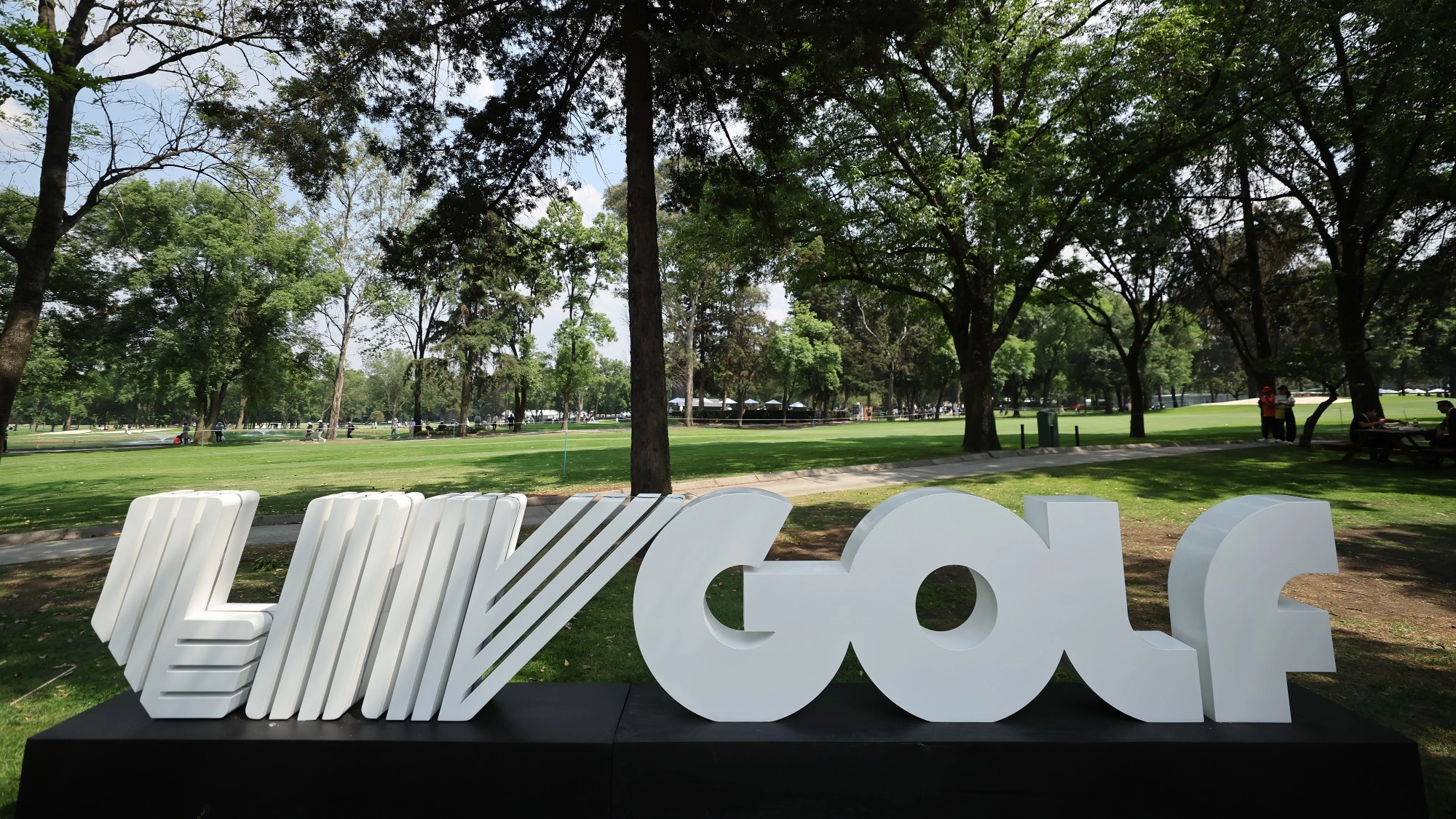
    LIV Golf: on course for collapse?

    “Our season continues exactly as planned, uninterrupted and at full throttle,” said LIV Golf’s chief executive, Scott O’Neil, in an email to staff on Wednesday night, hours after an emergency meeting in New York.

    “But what about beyond this season?” said The Telegraph. O’Neil’s email was an “attempt to calm ferocious speculation” that the Kingdom of Saudi Arabia’s Public Investment Fund (PIF) is “pulling the plug” on the controversial franchise, into which it has already sunk $5 billion (£3.7 billion).

    ‘Dying days’
    LIV Golf was “supposed to be the breakaway tour that changed golf as we know it”, said BBC Sport. It “certainly managed to disrupt the status quo”, with the help of the “eye-watering” amount of PIF funding, but the tour’s net losses have totalled more than $1.1 billion (£810 million) since it was established in 2021.

    If they ever make a documentary about LIV, “it will look a lot like the one about that calamitous Fyre Festival”, said Sean O’Brien on TalkSport. Some of the game’s big names who rejected offers to join the tour, including Tiger Woods and recent Masters winner Rory McIlroy, have been shown to be “on the right side of history”. The tour’s only purpose was to “make rich men absurdly richer”.

    Changing world
    PIF announced a new five-year strategy on Wednesday to make up a budget deficit of $73 billion. The fund is set to “narrow” its funding focus and take stock of a “decade-long spending splurge”, said the Financial Times.

    For a while, the soft power of sport was a “critical driver” in Saudi Arabia’s repositioning, said The i Paper, but the “world has changed since then”. Criticism of the country’s approach to human rights has, “if not washed clean off”, at least “shunted down the list of global concerns”. The Kingdom is still a major investor in F1 and football, including as hosts of the 2034 men’s World Cup. But for now, Riyadh will focus on events that “serve a PR purpose” or “promise a return on investment”. “Golf falls outside both metrics.”


    Good day👙

    … for monetised nudity, as OnlyFans reportedly nears a deal to sell a minority stake that would value the UK-based platform at more than $3 billion. Sources told the Financial Times that an agreement with US private equity firm Architect Capital could be struck as early as next month, despite the recent death of OnlyFans owner Leonid Radvinsky.


    Bad day 🫆

    … for monetised nostalgia, as the surging popularity – and value – of Pokémon cards sparks a series of “smash-and-grab” robberies. Collectables worth tens of thousands of pounds have been stolen from stockists in Cheshire, Rugby, Bristol, Bournemouth, Nottingham and Peterborough in recent weeks.


    picture of the day

    Up for air

    A visitor tries an oxygen chamber at the FIBO fitness and wellness trade show in Cologne, Germany. The hyperbaric treatment, combining hyperoxia and hypoxia, is designed to enhance athletic recovery.

    Ina Fassbender / AFP / Getty Images


    PUZZLES AND QUIZZES

    Quiz of The Week

    Have you been paying attention to The Week’s news? Try our weekly quiz, part of our puzzles section, which also includes sudoku and crosswords 

    Play here


    THE WEEK RECOMMENDS

    Properties of the week: rural retreats 

    Kent: Barming Place, Barming
    A magnificent Grade II* Georgian house set in approx. 1.5 acres of gardens. Built in 1768, it boasts a striking red-brick facade and plenty of period features, including a stone balustrade and elegant stone detailing, as well as a roof terrace with views over the Kent Weald. 7 beds (1 with terrace), 4 baths, kitchen, 5 receps, office, workshop, swimming pool, sauna, garden, parking. £2.35 million; Inigo.

    Gloucestershire: Dover House, Painswick
    Handsome Grade II* house built in 1720, with atmospheric period interiors featuring intricate rococo scrollwork. 4 beds, 2 baths, kitchen, 2 receps, garden. £1.1 million; Inigo.

    Cumbria: Fiddleback Farm, West Woodside
    This remarkable circular Grade II* farmhouse is nestled in just over 8.5 acres of mature gardens. 5 beds, 5 baths, kitchen/ dining room, 3 receps, garden, outbuilding, parking. £750,000; Finest Properties.

    Norfolk: The Tasburgh Hall Estate, Tasburgh
    A superb country estate with a neo-Jacobean manor dating back to the 18th century. 7 beds, 6 baths, kitchen, 4 receps, 4-bed guest/leisure wing, 2-bed gatehouse, fishing lake, tennis court, garden, parking. £2.75 million; Sowerbys.

    Carmarthenshire: Pant y Ffynnon, Llanfynydd
    A charming country house built c.1796, and set in approx. 12.5 acres surrounded by verdant rolling hills. 4 beds, 2 baths (1 en suite), kitchen, 3 receps, garden, parking. £815,000; Inigo.

    See more


    QUOTE OF THE DAY

    “That I wasn’t told that Peter Mandelson had failed security vetting when he was appointed is staggering.”

    Keir Starmer tells reporters that he’s “absolutely furious” about the latest revelations about his pick for US ambassador. “That I wasn’t told” before assuring Parliament that due process had been followed was “unforgivable”, said the PM, who is resisting calls to resign. 


    instant opinion

    Today’s best commentary

    A question for those desperate to cut benefits to fund defence: who exactly are you willing to impoverish?
    Polly Toynbee in The Guardian
    “The benefits budget is now a magic money tree,” writes Polly Toynbee. Conservatives and Fargists making “wild promises” of “tax cuts, more police” and “more bonuses for marriage” always promise to fund them through welfare cuts. “More unexpected was the klaxon” from Labour peer George Robertson to cut benefits to finance defence. Yet the “catastrophic overspending and failures” of the Ministry of Defence amount to “many billions wasted”. “At least nearly everything dispersed by the DWP arrives in the pockets of its intended targets.”

    AI has an Awful Image problem
    John Thornhill in the Financial Times
    “AI dread stalks” the US “amid worries over job losses, child safety and the environmental impact of giant data centres”, writes John Thornhill. The industry is responding with “mixed messaging”, promising to “cure disease, tackle climate change and usher in an era of radical abundance” while also warning of “job disruption” and “existential risk”. These “tech titans” should show that AI is an “invention for inventing” that, as well as boosting productivity, can “transform creativity and scientific discovery”. 

    J.D. Vance’s theory of Trumpism is no match for the practice

    Leader in The Economist
    The US vice president’s “theories of governance keep taking a beating” from Donald Trump’s contradictory “practice”, says The Economist. J.D. Vance positioned himself as an isolationist but claims a Middle East war “makes sense this time because America has ‘a smart president, whereas in the past we’ve had dumb presidents’”. Such “righteous hypocrisy” is part and parcel of his role as “chief ideologist” for a movement that “has no ideology” other than promoting “the instincts, impulses and glory of one man”.


    word of the day

    Open

    Iran has declared the Strait of Hormuz “completely open” to all commercial vessels for the remainder of the ceasefire with the US, due to end on Tuesday. Donald Trump heralded the announcement on Truth Social, but said the current US naval blockade would continue “until such time as our transaction with Iran is 100% complete”.


     Evening Review was written and edited by Harriet Marsden, Jamie Timson, Rebecca Messina, Chas Newkey-Burden, Will Barker, Joel Mathis, Adrienne Wyper, Stephanie Jones, Natalie Holmes and Kari Wilkin.

    Image credits, from top: illustration by Julia Wytrazek / Getty Images; illustration by Stephen P. Kelly / Getty Images / Shutterstock; Hector Vivas / Getty Images; Inigo; Inigo; Sowerbys; Finest Properties; Ina Fassbender / AFP / Getty Images

    Morning Report and Evening Review were named Newsletter of the Year at the Publisher Newsletter Awards 2025
     

    Recent editions

    • Morning Report

      Israel-Hezbollah ceasefire begins

    • Evening Review

      What is Israel’s goal in Lebanon?

    • Morning Report

      Stocks climb as investors bet on Iran war de-escalation

    VIEW ALL
    TheWeek
    • About Us
    • Contact Future's experts
    • Terms and Conditions
    • Privacy Policy
    • Cookie Policy
    • Advertise With Us
    • FAQ
    Add as a preferred source on Google Add as a preferred source on Google

    The Week UK is part of Future plc, an international media group and leading digital publisher. Visit our corporate site.

    © Future Publishing Limited Quay House, The Ambury, Bath BA1 1UA. All rights reserved. England and Wales company registration number 2008885.