What happened
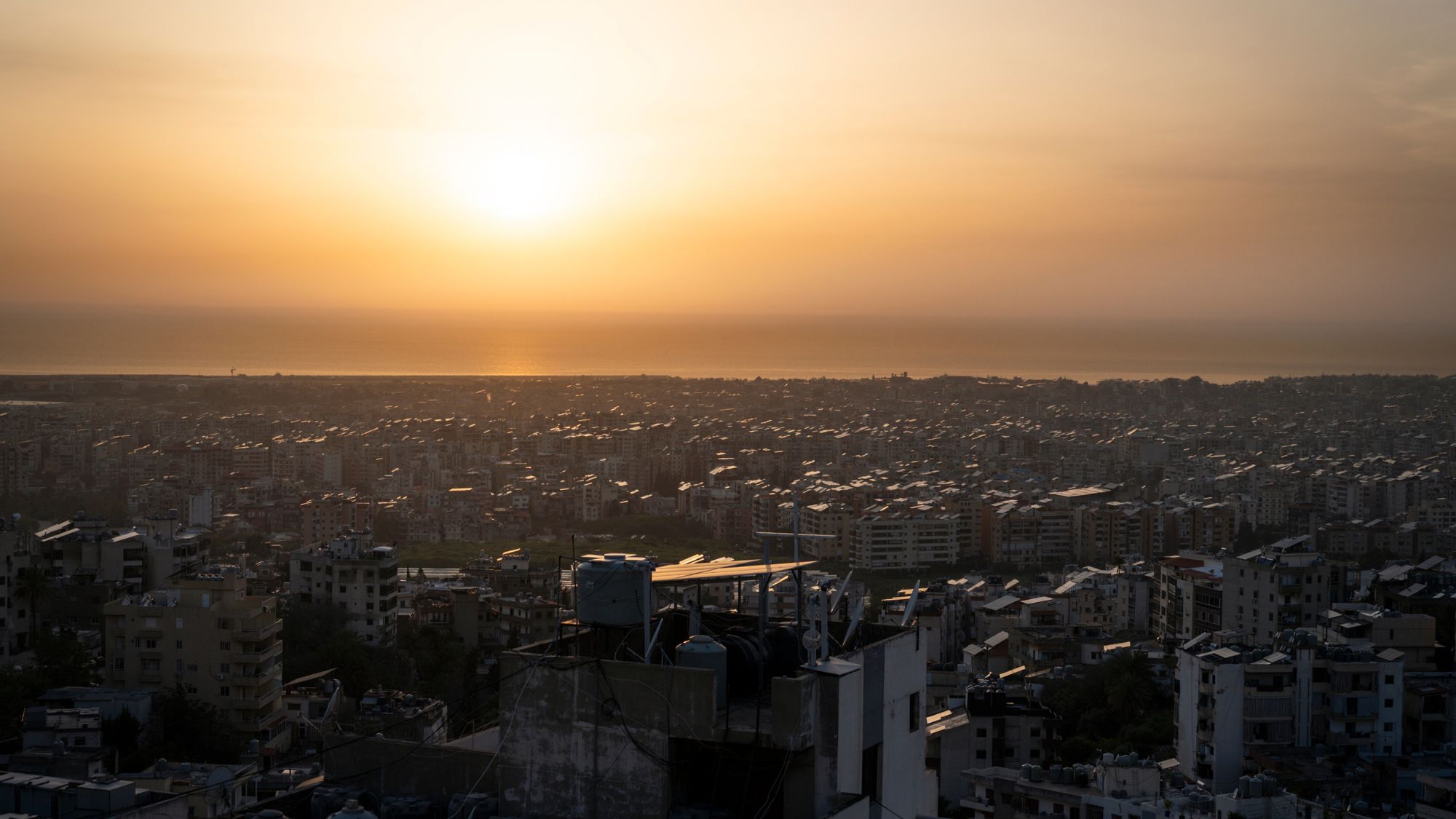
Celebrations have been reported in Lebanon after a temporary halt in hostilities between Israeli forces and Hezbollah took effect at midnight, suspending combat for 10 days. The agreement follows a rapid diplomatic effort led by Washington and is intended to reduce tensions that risk derailing the wider negotiations involving Iran. Both sides continued exchanging fire in the final hours before the deadline.
Under the terms outlined by US officials, Israel will refrain from launching any offensive actions, but retains the ability to respond defensively. Lebanese authorities, backed by international partners, are expected to try to curb attacks originating from their territory despite having limited control over Hezbollah.
Who said what
Hezbollah indicated that its position would be “based on how developments unfold”, stopping short of a clear endorsement of the deal. Donald Trump said further talks with Iran could happen within days and signalled an openness to prolonging their truce if progress was made, but warned that if no deal emerged, “fighting will resume”.
The paths to an enduring peace in Lebanon and Iran “remain fraught and interlinked”, said The Guardian. “Success or failure on one track could derail progress on the other.” However, the Israeli-Hezbollah ceasefire “removes a major obstacle to peace talks between the US and Iran”, according to The New York Times.
What next?
In Lebanon today there are “people who are hopeful, people who are grateful for a moment of respite and people who want to go back to their villages and towns and check if their homes are even still standing”, said Heidi Pett on Al Jazeera. “But, on the other hand, there’s disquiet and trepidation as to whether the ceasefire will hold.” |