The Week The Week
flag of US
US
flag of UK
UK
https://cdn.mos.cms.futurecdn.net/flexiimages/jzblygzdxr1769609154.gif

SUBSCRIBE

Try 6 weeks free

Sign in
  • View Profile
  • Sign out
  • The Explainer
  • Talking Points
  • The Week Recommends
  • Podcasts
  • Newsletters
  • From the Magazine
  • The Week Junior
  • More
    • Politics
    • World News
    • Business
    • Health
    • Science
    • Food & Drink
    • Travel
    • Culture
    • History
    • Personal Finance
    • Puzzles
    • Photos
    • The Blend
    • All Categories
  • Newsletter sign up Newsletter
  • The Week Evening Review
    The shifting mood in Russia, religious exemptions on knives, and tennis fashion

     
    TODAY’S BIG QUESTION

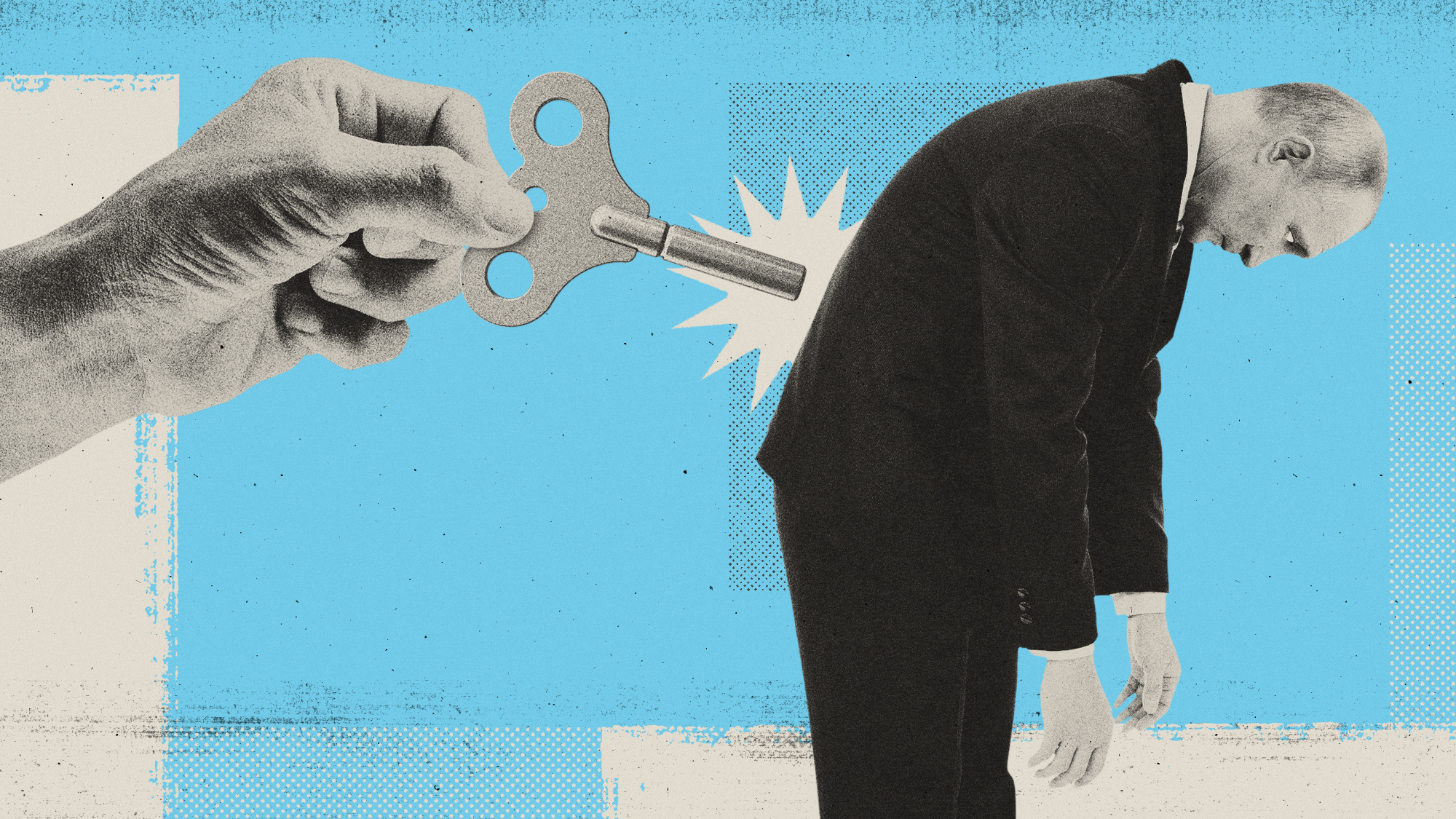
    Is Putin running out of momentum in Ukraine?

    Kremlin propagandists may still be “projecting confidence about the outcome” of the Ukraine war but there’s been “a marked shift in mood” among Russia’s political and business elites, said Igor Gretskiy of the Estonian-based International Centre for Defence and Security. It’s no longer their “default assumption” that Russia will achieve its objectives.

    What did the commentators say?
    Setbacks have been mounting on several fronts. “The cracks in the Russian economy became impossible to ignore”, with the federal budget “deeply out of balance” and the deficit at the end of April nearly double that planned for the whole of 2026, said Gretskiy on his think tank’s website. “In the most serious sign of internal division” since Russia invaded Ukraine four years ago, said Bloomberg, senior Russian government officials have warned Putin that spending on the war “is on an unaffordable path”.

    Russia’s military situation is also looking bleak. Ukrainian drone attacks are causing severe disruption to logistical networks and supply lines to the front, and long-range strikes have hit Russian oil-production infrastructure and even threatened Moscow. The Russian army is no longer able to grind out incremental capture of Ukrainian territory, and a million of its soldiers are thought to have been killed or wounded since hostilities began.

    Russia can have no hope “of annexing new large Ukrainian territories” while “it lacks the capacity to sustainably control and manage” them, said Russian political scientist Vasily Kashin on Russia in Global Affairs. Its goal of eliminating the Kyiv regime is “fundamentally unattainable at this stage”.

    What next?
    Parliamentary elections are due to be held in Russia in September, so the Kremlin will want to ensure that “increasingly evident war fatigue” doesn’t “affect the cohesion” of Putin’s system”, said exiled Russian politician Vladimir Kara-Murza in The Washington Post last week. A recent poll by Moscow’s independent Levada Center suggests that 62% of Russians favour peace talks with Ukraine, with only 27% expressing support for continuing the war.

    If events continue to turn against him, Putin may feel he has no choice but to roll the dice and go for broke, Tatiana Stanovaya of the Carnegie Russia Eurasia Foundation told The Post. “To a great degree, escalation is the only way to respond to a situation which you can’t control.”


    THE EXPLAINER

    The exemptions to UK knife laws

    Hampshire’s police and crime commissioner has called for a review of religious exemptions on the carrying of knives in public, following the fatal stabbing of Henry Nowak.

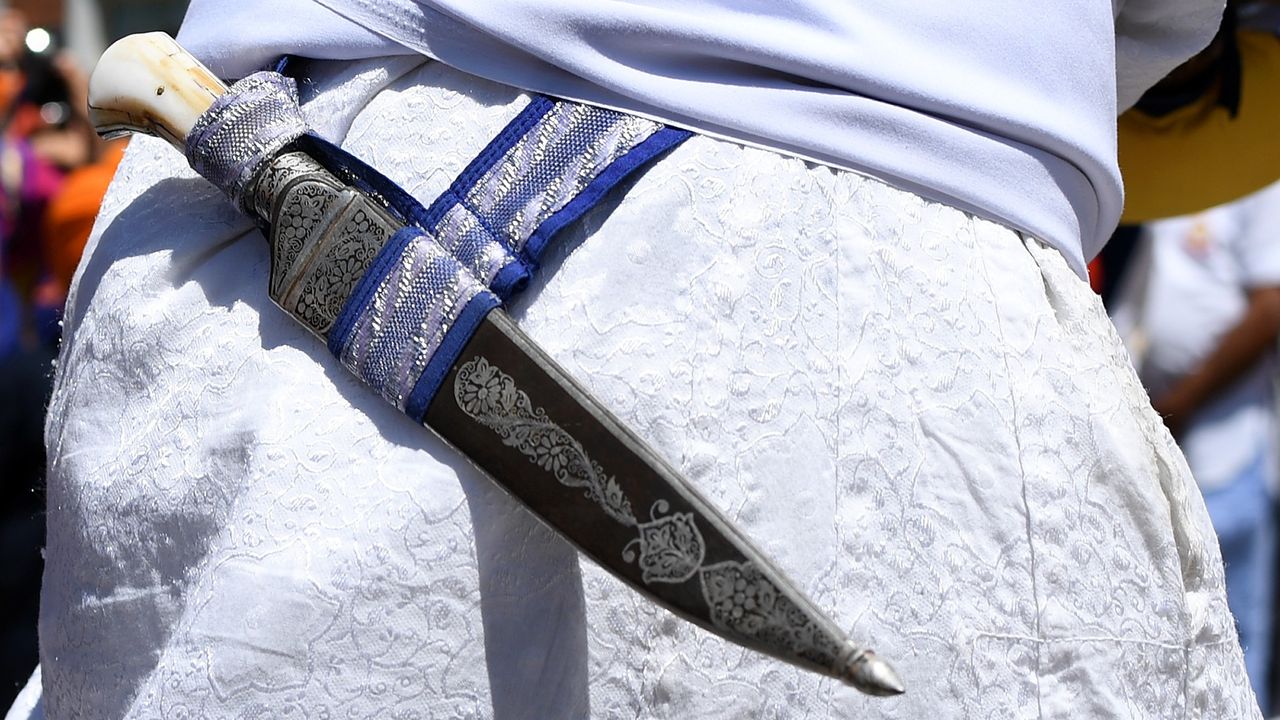
    Vickrum Digwa was jailed for life on Monday for stabbing the 18-year-old student five times with what the judge called a “large Sikh dagger”. The prosecution told the jury that while Digwa was entitled to wear a small kirpan – a ceremonial sword or dagger worn by initiated Sikhs – under his clothing around his neck, he also chose to carry the much larger knife that was used to kill Nowak last December.

    It is illegal to carry most knives in public without a “good reason”, the government’s gov.uk website states. And it is “illegal to use any knife or weapon in a threatening way”.

    Are kirpans exempt?
    A template letter from The Council of Sikhs in Law providing information for employers says the kirpan is “a ceremonial blade, carried by initiated Sikhs as one of the five articles of faith”. Worn by Amritdhari, or baptised Sikhs, it holds “a deep religious and symbolic significance for Sikhs”.

    The Criminal Justice Act 1988 sets out “an exception in terms of carrying bladed articles in public places for particular religious and ceremonial reasons”, said Cabinet Office Minister Nick Thomas-Symonds, in response to Nowak’s death. But “the judge actually said that the minute that this perpetrator removed the blade from the sheath, you can forget any sense of there being some sort of exception to the law”.

    What other uses are permitted?
    The law allows exemptions “as part of any national costume”, such as a sgian dubh, a small ornamental knife worn with Highland dress. Blunt blades or curved swords for the purposes of historical re-enactment or filmmaking, or for sports such as fencing or martial arts, are also allowed (usually with proof of participation). Some handmade swords are exempt, too, as are antiques over 100 years old and most “vintage” swords made before 1954.

    A defence to a charge of carrying an illegal knife is for the person to prove that they had “good reason or lawful authority” for having it. This can include travelling directly to and from a legitimate bushcraft course or woodland activity where a fixed blade is required, or for “use at work”.


    QUOTE OF THE DAY

    “I really f***ed up, didn’t I?”

    Joe Biden’s words to his wife following his disastrous 2024 TV debate with Donald Trump, according to the former first lady’s newly published memoir. In “View from the East Wing”, Jill Biden recalls her reply: “Yes, you did.” 


    Poll watch

    A majority (60%) of Brits think it is unprofessional for workers in high‑stress jobs to post videos of themselves crying on social media. A YouGov survey of 4,616 adults found that only 20% don’t disapprove of online meltdowns about challenges such as burnout, while the remainder were undecided. 


    IN THE SPOTLIGHT

    Naomi Osaka: serving up high fashion on court

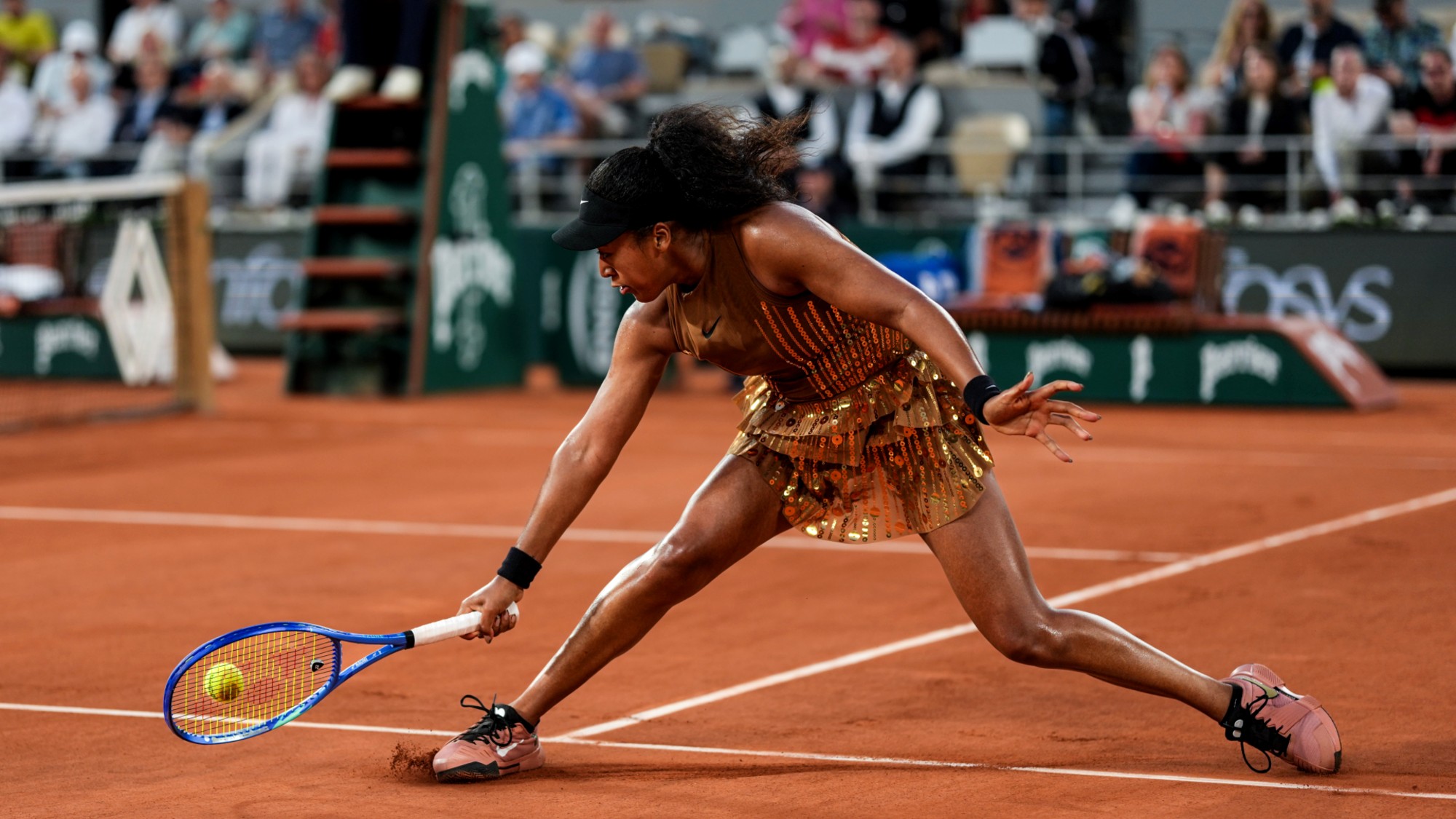
    “I came here to play tennis, not to put on a fashion show,” said Laura Siegemund following her loss in the first round of the French Open to Naomi Osaka, who arrived in a black corset and matching pleated skirt before stripping down to a gold tennis dress.

    The Japanese player progressed to the fourth round but lost to Aryna Sabalenka in a landmark night session, during which Osaka’s “shimmering” outfit became even “more eye-catching under the lights”, said The Guardian. Critics claim her “elaborate” on-court clothes may “serve as a distraction”. With Wimbledon around the corner, the tennis-fashion debate is likely to intensify.

    ‘Another language’
    Osaka “really knows how to turn a tennis court into a catwalk” and has done so for years, said the Daily Maverick. Though her “court-ure” has been labelled “problematic” by some, her choice of fashion is “part of how she chooses to be seen”. For a sports star who has spoken openly about her struggles with anxiety, depression and public communication, her outfits have become “another language”.

    The four-time grand slam champion has “never had average tastes when it comes to fashion”, said The Athletic. Her outfit at the Australian Open – a “dreamy, dramatic ensemble” that was meant to “evoke jellyfish” – “took over cultural discourse far beyond her match”.

    Female athletes “don’t want to be known or judged for their outfits alone”, said The Independent. But with less prime-time coverage of their games than male players, it “can’t hurt to turn a few heads and garner extra attention using a bit of tulle and some sequins”.

    ‘Fancy-dress-adjacent’
    I understand “how annoying it must be for Osaka’s opponents”, said The Times’ fashion director Anna Murphy. Her “ballroom skirt” and “spangled waistcoat” are an aesthetic “more usually seen in ‘Bridgerton’” and “Dancing on Ice”. But professional tennis “isn’t for the shy and retiring”, and if you’re on a rumoured $10 million sponsorship deal, “why not milk it”?

    Wimbledon has indicated that it will go along with Osaka’s “fancy-dress-adjacent thing”, provided what she wears is white. The restrictions are only on colour, not style, “so what’s it going to be for SW19? A snowman? A snowball? A snowballgirl?” But this sets a precedent that could turn the circuit into a “fancy dress party”.


    Good day 👙

    … for Victoria’s Secret, shares in which soared by 47% to an all-time high yesterday, capping off gains that have nearly quadrupled the lingerie retailer’s value over the past year. The company has raised its annual forecast after posting its fourth consecutive quarter of revenue growth since CEO Hillary Super launched a turnaround plan to tackle falling sales.


    Bad day 🏞️

    … for Pembrokeshire thrill-seekers, as the National Trust threatens to take legal action against an adventure company teaching coasteering on the Wales Coast Path. The conservation charity’s lawyers say Jethro “Jet” Moore, whose family-run company Adventure Beyond has taught thousands of people in the area since the 1990s, has no right of access to the cliffs. 


    PICTURE OF THE DAY

    Morning haul

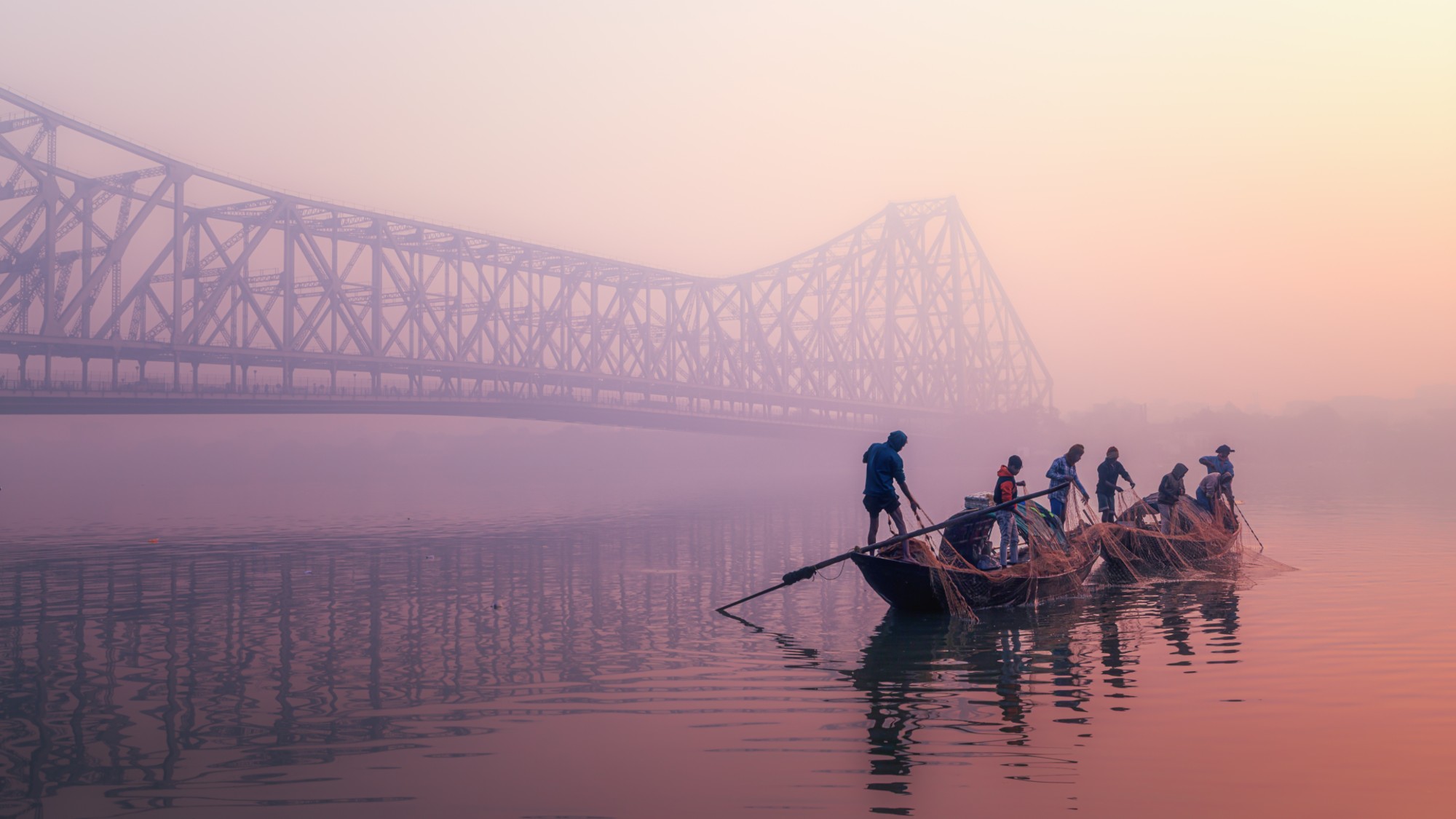
    Fishing crews pull in their nets at sunrise on the Hooghly River in West Bengal. The image, captured by Dutch photographer Marco Rutten, was among 27 winners chosen from almost 9,000 entries in the 2026 World Food Photography Awards sponsored by Tenderstem®.

    Marco Rutten / World Food Photography Awards sponsored by Tenderstem®


    Puzzles

    Chain Word

    Try The Week’s new daily word challenge in our puzzles and quizzes section

    Play here


    THE WEEK RECOMMENDS

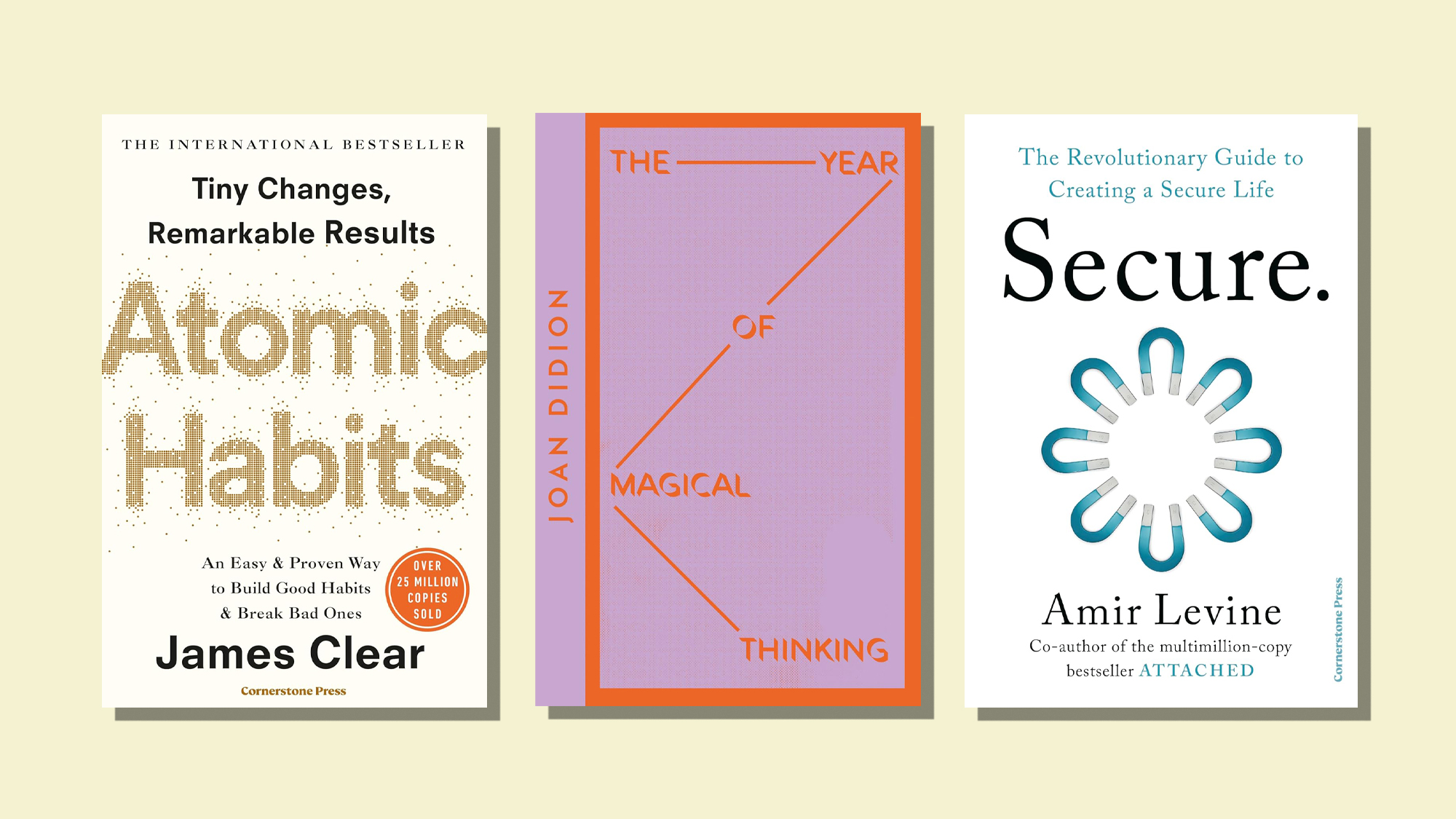
    The best self-help books

    “No literary genre divides opinion quite like self-help,” said Josiah Gogarty in GQ. Some people love it, while others steer well clear. But the best personal growth books “cover a lot more ground than you might think”, spanning from deeply personal memoirs about grief to science-backed guides that could change your relationships. Here are our top picks.

    Secure, by Dr Amir Levine
    It’s been 16 years since Levine and Rachel Heller published the bestselling “Attached”, which set out the “four main styles of bonding” in human relationships: anxious, secure, avoidant and fearful avoidant, said psychotherapist Philippa Perry in The Guardian. Now, Levine is back with a keenly anticipated follow-up that is also rooted in attachment theory. The psychiatrist lays out a “set of tools to help us feel more secure in all our relationships”.

    The Body Keeps the Score, by Bessel Van Der Kolk
    Published over a decade ago, this insightful book is one that “hasn’t wavered in popularity” and continues to “attract new fans with each passing year”, said Daisy Jones in Vogue. “It’s easy to see why.” The Dutch psychiatrist writes in a “persuasive” way that “rings true”. Backing his ideas with scientific research, he argues that “though the brain may work hard to suppress trauma, the body does not in fact forget”.

    Atomic Habits, by James Clear
    “If you’ve ever wanted to change something about your life but found it overwhelming”, this transformative book provides a “step-by-step” guide to building small positive habits, said Tria Wen in Reader’s Digest. It’s a “great book to gift”, helping readers “think about their goals in terms of little shifts they can make” that can be divided into “more manageable pieces”.

    See more


    Statistic of the day

    24 years: The length of a newly concluded divorce case that is believed to be the longest ever in Britain. Varsha Gohil, from north London, initially accepted £270,000 and a Peugeot in a settlement in 2004, two years after filing for divorce from her solicitor husband, Bhadresh Gohil. But she’s now been awarded £6.6 million, after it emerged that he concealed £28 million worth of assets.


    instant opinion

    Today’s best commentary

    Donald Trump could be the man to save Cuba
    The Economist’s editorial board
    “For too long, dreams of heroic purity have harmed ordinary Cubans, both on the island and in exile,” says The Economist. Cuba’s leaders are stubborn, lonely men” shaking fists at America, while “successive US presidents and congressional leaders” have “bowed” to anti-regime Cuban-American hardliners. But Donald Trump “has an edge”. Untroubled by “ideological certainties”, he may be best placed to make the deal that lifts the US embargo. If he does, “he will deserve any peace prize he wants”.

    Vickrum Digwa is no Sikh
    Hardeep Singh in The Spectator 
    “Decades of good will for British Sikhs have been damaged” by “one dangerous and dishonest Sikh heritage monster”, writes Hardeep Singh of the Network of Sikh Organisations. In killing Henry Nowak and falsely accusing him of racism, Vickrum Digwa has “caused serious damage” to our community. We’re facing “collective punishment for his heinous and cowardly crime”. It’s “right to express anger” but not this “crude vilification of all Sikhs”. Digwa’s “reprehensible” actions are “a corruption of everything Sikhs believe in”.

    The EU should fast-track Ukraine’s membership of the club – it has the most to gain
    Mujtaba Rahman in The Guardian
    “Joining the EU is important” for Ukraine, writes political risk consultant Mujtaba Rahman. It’s key to any peace deal, would help “ward off a future Russian invasion” and should “attract inward investment”. Europe would also benefit from Ukraine’s membership, which would make the continent a “military and agricultural superpower”. Yet “EU leaders are torn”, amid “concerns over corruption” in Kyiv and the cost of subsidising the country’s “economic catching up”. But while it wouldn’t be “easy”, the “alternative” is “untenable”.


    word of the day

    Airbag

    Physicists have floated an unusual idea to protect the Earth’s magnetic field from solar storms: a cushion of gases released into space by a fleet of satellites. In a study in the journal Space Weather, the researchers suggest that the gassy defence system could halve the intensity of such storms, which can scramble satellite electronics and knock out electrical grids. “It’s as if you could install an airbag in the magnetosphere,” said co-author Daniel Welling, from the University of Michigan. 


    Evening Review was written and edited by Hollie Clemence, Jamie Timson, Elliott Goat, Will Barker, Chas Newkey-Burden, Irenie Forshaw, Helen Brown, David Edwards and Kari Wilkin, with illustrations from Stephen P. Kelly.

    Image credits, from top: illustration by Stephen P. Kelly / Getty Images; AAron Ontiveroz / The Denver Post via Getty Images; Shi Tang / Getty Images; Marco Rutten / World Food Photography Awards sponsored by Tenderstem®; Random House Business / Fourth Estate / Cornerstone Press

    Morning Report and Evening Review were named Newsletter of the Year at the Publisher Newsletter Awards 2025
     

    Recent editions

    • Morning Report

      Starmer urges calm after release of Nowak footage

    • Evening Review

      Netanyahu’s balancing act

    • Morning Report

      Mandelson files expose Labour divisions

    VIEW ALL
    TheWeek
    • About Us
    • Contact Future's experts
    • Terms and Conditions
    • Privacy Policy
    • Cookie Policy
    • Advertise With Us
    • FAQ
    Add as a preferred source on Google Add as a preferred source on Google

    The Week UK is part of Future plc, an international media group and leading digital publisher. Visit our corporate site.

    © Future Publishing Limited Quay House, The Ambury, Bath BA1 1UA. All rights reserved. England and Wales company registration number 2008885.