The Week The Week
flag of US
US
flag of UK
UK
https://cdn.mos.cms.futurecdn.net/skoGBi9qKFoUtnNWkovjJQ.jpg

SUBSCRIBE

Try 6 Free Issues

Sign in
  • View Profile
  • Sign out
  • The Explainer
  • Talking Points
  • The Week Recommends
  • Podcasts
  • Newsletters
  • From the Magazine
  • The Week Junior
  • More
    • Politics
    • World News
    • Business
    • Health
    • Science
    • Food & Drink
    • Travel
    • Culture
    • History
    • Personal Finance
    • Puzzles
    • Photos
    • The Blend
    • All Categories
  • Newsletter sign up Newsletter
  • Sunday Shortlist, from The Week
    ‘Riotous dark comedy’, and a ‘funny, feel-good, family-friendly’ musical

     
    FILM REVIEW

    Wake Up Dead Man 

    Daniel Craig returns for the ‘excellent’ third instalment of the murder mystery film series

    Rian Johnson’s detective series “Knives Out” is one of “the most likeable cinematic developments of recent years”, said Patrick Cremona in Radio Times. This “excellent” third instalment sees Daniel Craig return as the brilliant Southern super-sleuth Benoit Blanc, tasked this time with cracking an “impossible crime” that has left local police baffled. “Weirder”, “darker” and altogether more “unsettling” than its predecessors, it’s arguably the best one yet.

    The action unfolds around a small Catholic church in upstate New York, where the “intimidating”, charismatic Monsignor Jefferson Wicks (Josh Brolin) has developed a cultish following. His younger, more principled assistant priest, Jud Duplenticy (Josh O’Connor) can’t hide his distaste; and when Wicks is found knifed to death just seconds after delivering a “fire-and-brimstone” sermon, Duplenticy emerges as the main suspect. Blanc must discover not just who committed the murder, but how they were able to commit it.

    “Under the cosy crime trappings, the default mood is riotous dark comedy,” said Danny Leigh in the Financial Times. The political satire is hard to miss, and at times the tone seems a little off: the gags and cartoonish details sit oddly with a serious subplot about faith, in which Craig cedes centre stage to O’Connor.

    But the “delicacy and deftness” of O’Connor’s performance gives it “unexpected spiritual depth”, said Robbie Collin in The Telegraph. And he’s supported by “a juicy crew of Cluedo archetypes”, from Andrew Scott’s sci-fi novelist to Glenn Close’s scene-stealing sacristan. Johnson is a great “whodunitician”, and his “watertight” storytelling pays homage to everything from Agatha Christie to “Scooby Doo”. “Wake Up Dead Man” is “typically arch and witty” – and it’s a lot of fun.


    THEATRE REVIEW

    Paddington: The Musical

    The cast take a ‘well-known story’ and ‘melt your heart’ with this ‘imaginatively staged’ production 

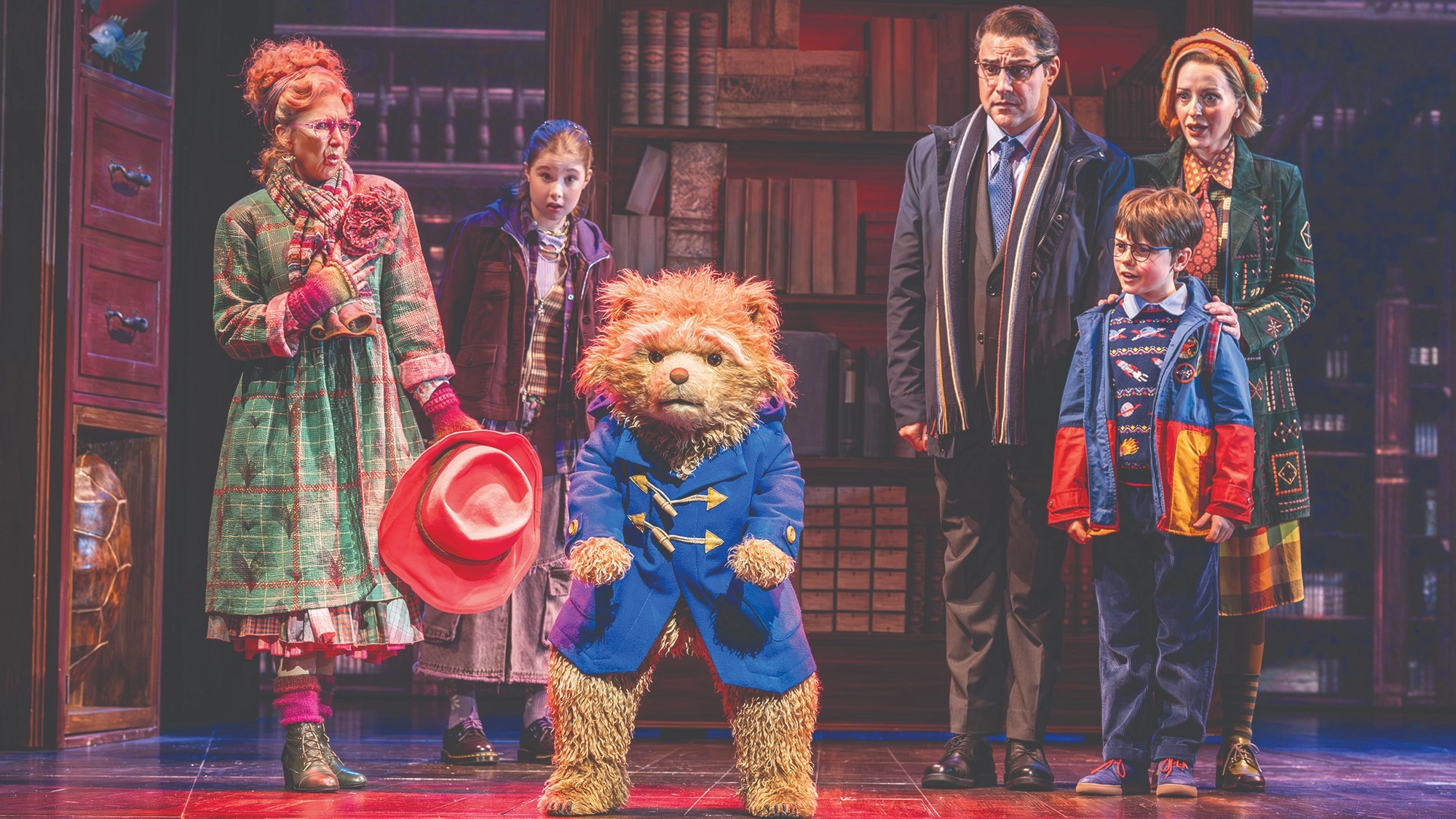
    Paddington has travelled a long way since Michael Bond created him in 1958, said Sarah Crompton on WhatsOnStage. After the vast success of the three films, it was perhaps inevitable that a musical would be next. What wasn’t inevitable is that Tom Fletcher (music and lyrics) and Jessica Swale (book) would “fashion a show so emotionally and tonally perfect that the entire audience is enraptured from the moment the bear steps on stage – and keeps cooing and oohing, laughing and sobbing, until the very end”. State-of-the-art animatronics, a stunning set, fabulous performances and witty songs about marmalade – all combine in a show that will “fill you with joy and melt your heart”, said Arifa Akbar in The Guardian. “Paddington” is the “new ‘Mary Poppins’: a well-known story imaginatively staged, immaculately performed and utterly winning”.

    The bear himself, designed by Tahra Zafar, is “a triumph”, said Sarah Hemming in the Financial Times. “Endearing but not too cute, he has the slightly lived-in look of every favourite soft toy”, and is brilliantly brought to life by the “wonderfully nimble” Arti Shah, who wears the bear suit onstage – and James Hameed, who speaks and sings from offstage, while remotely controlling his facial movements. The result is a bear who is “astonishingly expressive”, said David Benedict in Variety. Other highlights of this “completely beguiling” show include Luke Sheppard’s direction; Victoria Hamilton-Barritt’s high-camp turn as the “arch-villainess” taxidermist Millicent Clyde; and Amy Booth-Steel, who wrings “every conceivable laugh” from a string of minor parts.

    I’ll admit to some “rumbling reservations”, said Dominic Cavendish in The Telegraph. It’s a little “overstuffed with songs”, and not as witty as the films. But the stronger second half convinced me that this “funny, feel-good, family-friendly musical” will “run and run”. Today’s West End is rammed with “ill-considered riffs on big-name franchises”, said Alice Saville in The Independent. But with “Paddington”, we’re finally getting a show “made with serious heart, dedication, and enough spectacular special effects to thrill its audiences”.

    Savoy Theatre, London WC2. Until 25 October


    ALBUM review

    De La Soul: Cabin in the Sky 

    Hip-hop pioneers De La Soul haven’t released an album since the Grammy- nominated “And the Anonymous Nobody” in 2016, said Fred Garratt-Stanley on NME. This is a group who “don’t speak unless they have something to say”; and when they do speak, we should listen. Certainly, this “grand, moving” tenth studio album has an “unfaltering sense of purpose”: to honour the memory of David Jolicoeur (aka Trugoy the Dove), the trio’s co-founder, who died in 2023. It’s packed with “poignant lyricism” and is fresh and reflective, rather than “bogged down by grief and nostalgia”. “Nearly four decades after banding together as Long Island teenagers, De La Soul still know how to create event albums that command our attention,” said Mosi Reeves in Rolling Stone. “Cabin in the Sky” offers a “volley of chirpy melodies” and skits, and a lot of “sentimental pop tones”. At times, though, the two remaining band members seem to be “dancing through tears, both exultant and traumatised”. In the “burgeoning subgenre of old-man rap, there’s not much more you can ask for”.


    BOOK OF THE WEEK

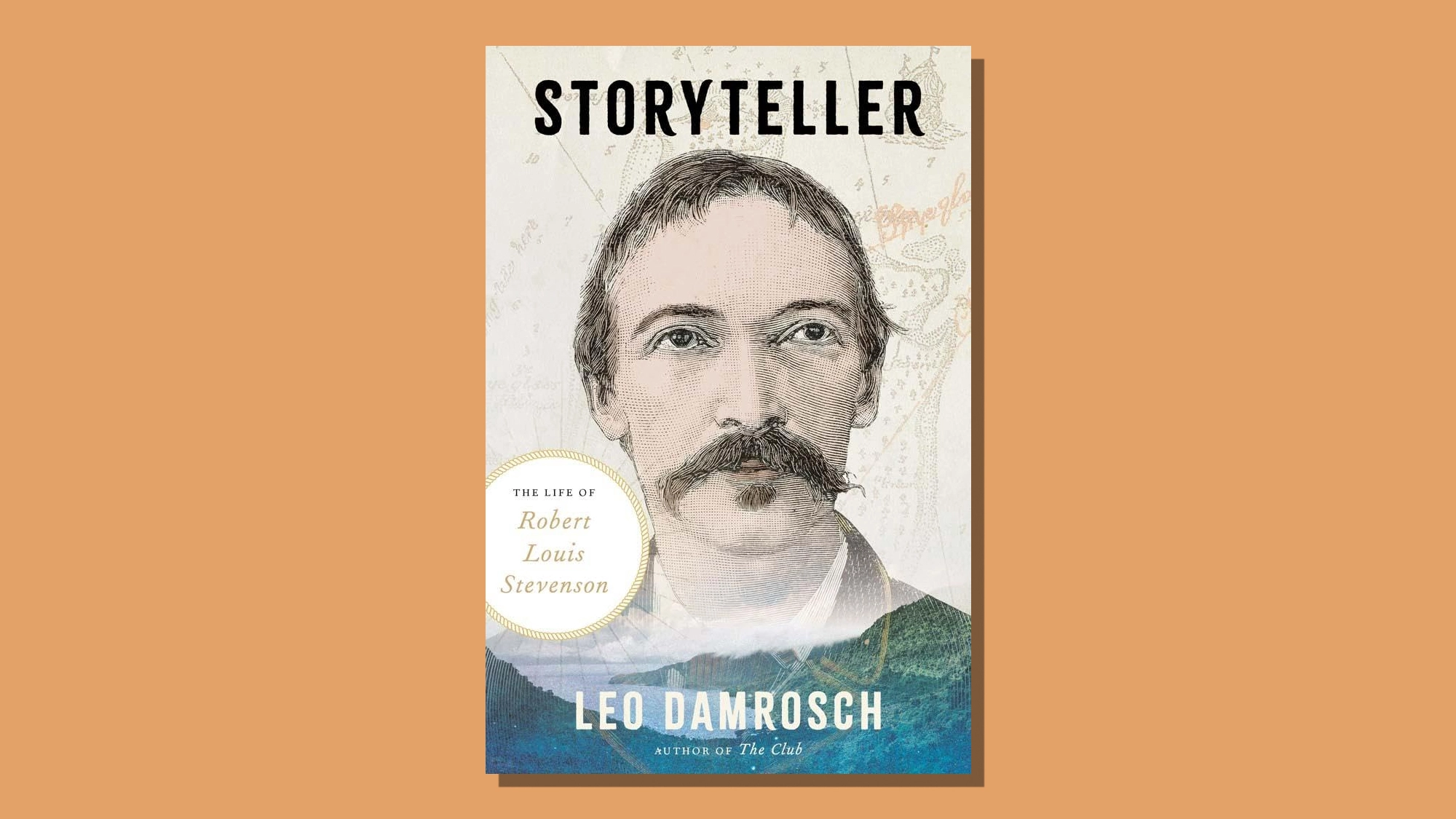
    Storyteller 

    by Leo Damrosch

    Since his death, aged 44, in 1894, Robert Louis Stevenson has had a “distinctly mixed” literary reputation, said Andrew Motion in The New Statesman.

    To many modernists, and especially the Bloomsbury Group, his adventure-filled novels – among them “Treasure Island”, “Kidnapped” and “Strange Case of Dr Jekyll and Mr Hyde” – “looked old hat”. Like Kipling, he has sometimes seemed to be “on the wrong side of history”, and has been dismissed as a mere children’s writer. Yet he hasn’t lacked for heavyweight admirers – Jorge Luis Borges, Vladimir Nabokov, Hilary Mantel – and has remained popular with general readers.

    In his “sensible, sympathetic and thorough” biography, the American scholar Leo Damrosch chronicles Stevenson’s “fascinating” life and offers “wise” judgements about his work. “Stevenson was a wonderful man and at his best a great writer”: this “valuable book” captures those qualities.

    Born in Edinburgh in 1850, “Stevenson was not supposed to be a writer”, said Meghan Cox Gurdon in The Wall Street Journal. His grandfather and father were civil engineers, responsible for many of Scotland’s earliest lighthouses, and they expected him to enter the family business.

    But the “sickly” young man – who was plagued all his life by “bad lungs” – was drawn instead to a bohemian milieu. A “stupendous conversationalist”, who wore “velvet jackets and flamboyant sashes”, Stevenson fitted in easily: he befriended writers such as Edmund Gosse and Henry James (as well as the one-legged poet and editor William Ernest Henley, who helped inspire Long John Silver) and began publishing essays and travel articles. “Much to the grief of his Presbyterian parents”, he also declared himself an atheist.

    In 1876, while in France, Stevenson “fell completely” for Fanny Osbourne, an American 10 years his senior with an estranged husband back in California, said David Mills in The Sunday Times. He followed her to America (though the journey “nearly killed him”) and they married in 1880. They settled in Bournemouth, but later moved to America, and “ultimately on to Samoa where, in 1894, Stevenson died of a stroke”.

    Although Stevenson is a riveting subject, Damrosch’s ignorance of Britain leads to some errors – as when he claims that “Cockfield in Sussex” lies “40 miles east of Cambridge”. But this is, overall, a “generous and capacious account”, marked by “satisfying touches of offhand laconic wit”, said Margaret Drabble in the TLS. As such, it’s a “fitting tribute” to a “master storyteller”.


    OBITUARY

    Tom Stoppard   

    The 88-year-old was a playwright of dazzling wit and complex ideas

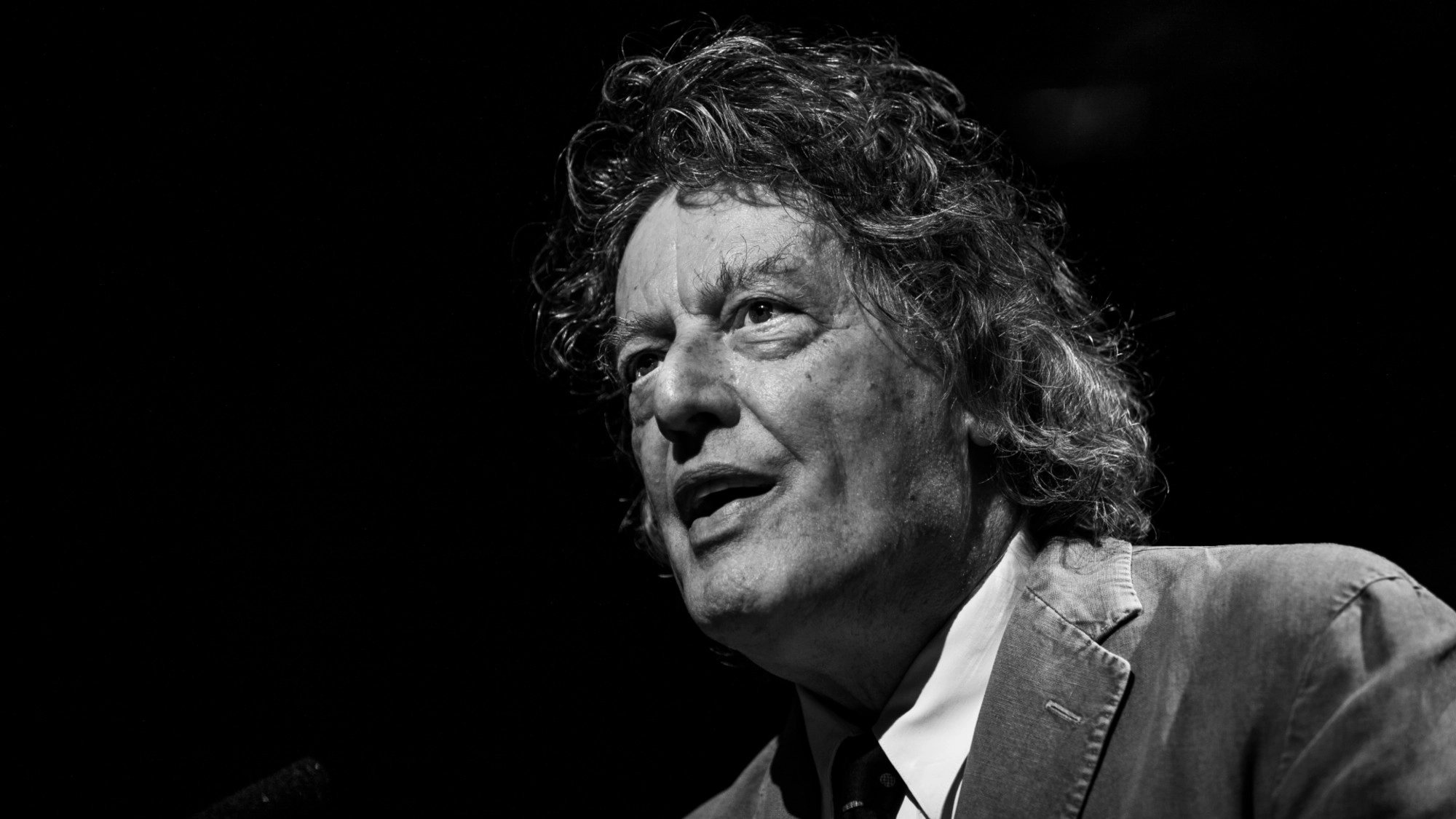
    Sir Tom Stoppard, who has died aged 88, “wrote plays of dazzling language, intricate wit and dependably intelligent characterisation that touched on everything from quantum physics and landscape gardening to moral positivism and the lives of minor characters in ‘Hamlet’”, said The Telegraph. 

    The critic Kenneth Tynan argued that the key to understanding Stoppard was never to forget that he was an émigré: because he had no native land or mother tongue, he was freed from the cultural constraints that restrict other writers. Stoppard joked that he was “a bounced Czech”: he was born Tomáš Sträussler, in Zlín, a small town in Czechoslovakia, in 1937. His father, Eugen, was a doctor at the Bata shoe company. When Tom was one year old, the family fled the Nazis to Singapore. When it fell to the Japanese in 1942, Tom, his mother Martha and his older brother Petr escaped to India; but Eugen was detained. “It was only much later Tom learnt that his family was Jewish, that most of his relatives had perished in the death camps, and that his father had died on a Japanese prison ship.”

    In India in 1945, Martha married an English army officer, Major Kenneth Stoppard. The family lived in Darjeeling, but after independence they moved to Britain. Tom took his stepfather’s name, and was sent to board at Pocklington Grammar School in Yorkshire, which he hated. He left school at 17 to become a reporter on the Western Daily Press. “His beat as a reporter took him to the Bristol Old Vic,” said Michael Coveney in The Guardian. 
    In the late 1950s, he saw Peter O’Toole play Hamlet and Jimmy Porter in “Look Back in Anger”. “He was hooked.”

    Stoppard had some early plays accepted by the BBC for radio, and wrote a novel, today largely forgotten. Then came “Rosencrantz and Guildenstern are Dead”, which features two courtiers from “Hamlet” mulling existence on the sidelines of the action. It was first staged on the Edinburgh Fringe in 1966. When it opened at the Old Vic, it made him an overnight celebrity. Harold Hobson in The Sunday Times called it the most important event in British theatre since Harold Pinter’s “The Birthday Party” nine years earlier. He followed it with two plays of “pyrotechnical brilliance”, “Jumpers” (1972) which satirised moral philosophy by comparing it to a gymnastic display, and “Travesties” (1974), inspired by the discovery that Vladimir Lenin, James Joyce and the Dadaist poet Tristan Tzara were all living in Zürich in 1917.

    By this point, Stoppard had “exhausted the vein of travesty” and his output “slowed considerably, with perhaps a really good new play emerging each decade”, said The Times. He had rarely aimed for realism, and he had been criticised for failing to portray real people and for a lack of social conscience. That began to change with “The Real Thing” (1982), “a tale of adultery among theatre folk” that was also an exploration of the place of politics in art. “Reality took a bow” in 1991, when Stoppard and his frequent leading lady, Felicity Kendal, left their respective spouses for each other.

    Stoppard’s first wife was Jose Ingle, a nurse; the marriage lasted from 1965 to 1972. His second wife was Dr Miriam Stoppard, the agony aunt whom he had married in 1972. There were two sons from each marriage, including Ed Stoppard, the actor. Stoppard remained in a relationship with Kendal until 1998, and she starred in many of his plays of the period, including “Arcadia” (1993), which was “classic Stoppard”: a story that ranged from “the age of Byron to that of chaos theory”.

    Stoppard’s contributions to cinema – “official and unofficial” – were prolific, said Tim Robey in The Telegraph. Among many others, he wrote the screenplay for Steven Spielberg’s “Empire of the Sun” (1987), and co-wrote those for Terry Gilliam’s “Brazil” (1985) and “Shakespeare in Love” (1998), for which he won an Oscar. 

    In his last play, “Leopoldstadt” (2020), which traces the fate of a Jewish family in middle Europe during the first half of the 20th century, Stoppard “took on his own personal history”, said Bruce Weber in The New York Times. “In a kind of apologia for a lifetime of obliviousness to the oppression and tragedy of many of his relatives”, he concludes with a scene of a Tom Stoppard-like character, an escapee as a child from fascism, visiting the city of his birth. Learning the fates of his family, he breaks down in tears – as did many audience members.

    Stoppard was knighted in 1997. He is survived by his third wife, Sabrina Guinness, whom he married in 2014, and with whom he lived in Dorset.

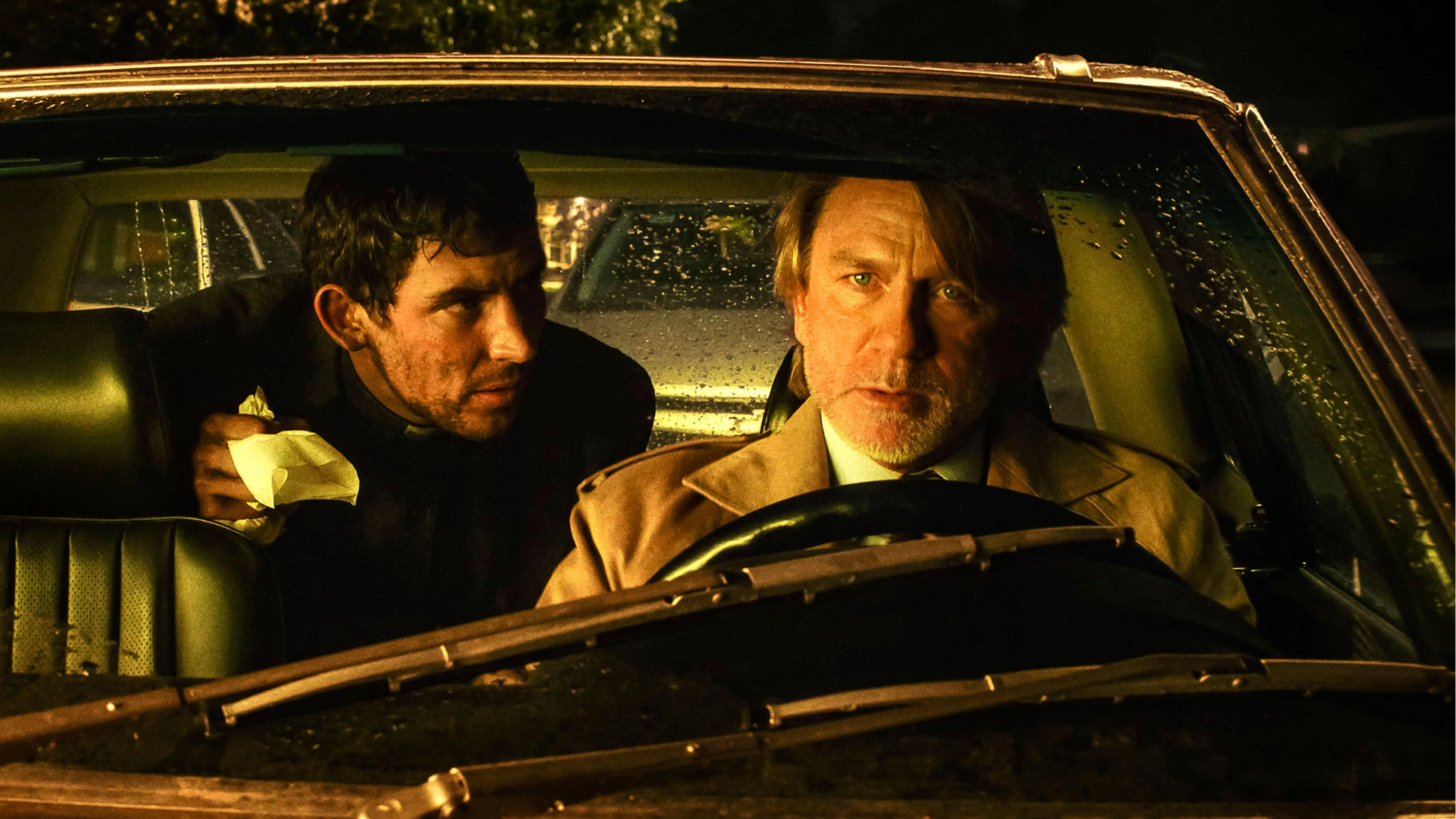


    Image credits, from top: BFA / Netflix / Alamy; Johan Persson; Yale University Press; David Levenson / Getty 
     

    Recent editions

    • Saturday Wrap

      Can Trump stop his poll collapse?

    • Evening Review

      Putin-Modi love-in: a worry for the West?

    • Morning Report

      NHS warns of tidal wave of flu cases

    VIEW ALL
    TheWeek
    • About Us
    • Contact Future's experts
    • Terms and Conditions
    • Privacy Policy
    • Cookie Policy
    • Advertise With Us
    • FAQ
    Add as a preferred source on Google

    The Week UK is part of Future plc, an international media group and leading digital publisher. Visit our corporate site.

    © Future Publishing Limited Quay House, The Ambury, Bath BA1 1UA. All rights reserved. England and Wales company registration number 2008885.