The Week The Week
flag of US
US
flag of UK
UK
https://cdn.mos.cms.futurecdn.net/skoGBi9qKFoUtnNWkovjJQ.jpg

SUBSCRIBE

Try 6 Free Issues

Sign in
  • View Profile
  • Sign out
  • The Explainer
  • Talking Points
  • The Week Recommends
  • Podcasts
  • Newsletters
  • From the Magazine
  • The Week Junior
  • More
    • Politics
    • World News
    • Business
    • Health
    • Science
    • Food & Drink
    • Travel
    • Culture
    • History
    • Personal Finance
    • Puzzles
    • Photos
    • The Blend
    • All Categories
  • Newsletter sign up Newsletter
  • The Week Evening Review
    Next year’s economic outlook, a digital censorship war, and a pivotal year for AI

     
    TODAY’S BIG QUESTION

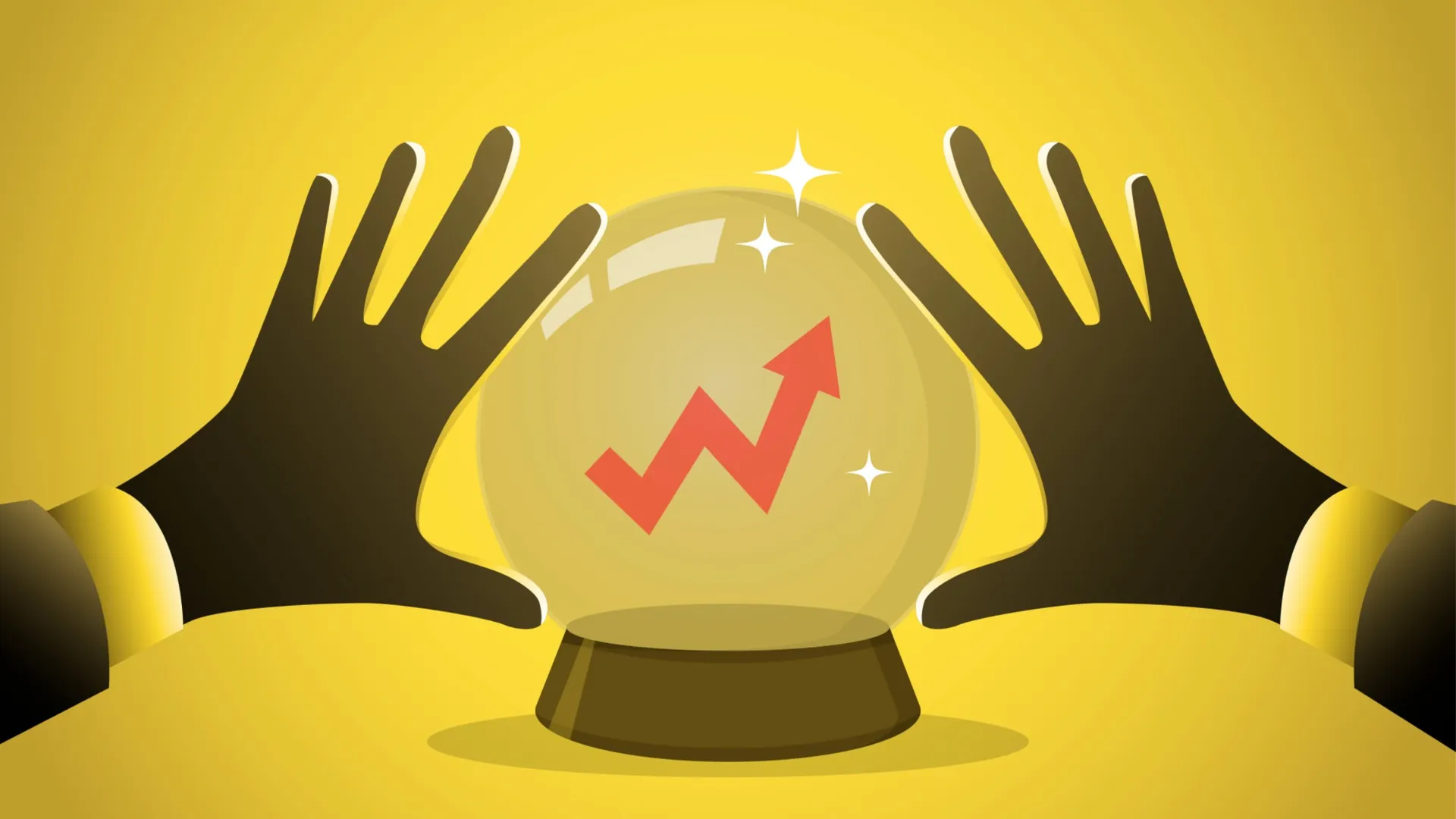
    What will the US economy look like in 2026?

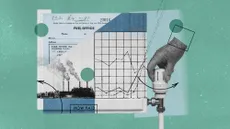
    The American economy at the end of 2025 looks very different from a year ago. Tariffs are higher, AI occupies a greater share of overall spending, and the federal government under President Donald Trump is demanding a greater say in how businesses are run. All that change leaves observers uncertain about what 2026 will bring.

    Wall Street is “generally pretty bullish” heading into the new year, said Fortune. The “massive stimulus” unleashed by Trump’s “One Big Beautiful Bill” should kick in in 2026, giving analysts reason for optimism. But those same observers say the “conditions for success” in the American economy are “getting narrower and narrower.” The one word to describe the economy heading into 2026: “precarious.”

    What did the commentators say?
    There are “three possible scenarios,” said Nouriel Roubini at MarketWatch. One involves a short recession followed by recovery. The second also involves a “shallow” recession but with a “slower return to growth.” And the third possibility is that “growth remains strong” but inflation also remains stubborn. There are signs the world economy is on track for “stronger growth.” Downside risks remain, but “one can be cautiously optimistic heading into the new year.”

    The outlook rests on “four pillars,” said Stacey Vanek Smith at Bloomberg. The labor market, inflation, the consumer and artificial intelligence are all factors in projecting how 2026 will go. If any of those elements “falter” during the year, “we’re toast,” said Moody’s Mark Zandi to the outlet. The risk of a U.S. recession appears to be receding, however. A downturn is unlikely “as long as the fundamentals hold and investors keep their heads.”

    The “biggest threat to the 2026 economy is still Trump,” said John Cassidy at The New Yorker. The optimistic scenario rests on the idea that “things will be more settled in 2026” than they were in 2025 when the president’s trade wars disrupted the global economy. No one can predict if Trump will cause more chaos in the new year. “Disruption is his essence.”

    What next?
    Bank of America forecasts “stronger‑than‑expected economic growth” in 2026, though the bank also acknowledges its prediction is “more optimistic than consensus,” said The Street. Americans will probably experience “more price volatility,” unless a weak economy tames inflation, said USA Today. That means American consumers “may be in for another year of hard times and tough decisions.”


    QUOTE OF THE DAY

    ‘What do you do when you really lose power, when you become a lame duck? How do you cling to power? You go to war.’

    Rep. Marjorie Taylor Greene (R-Ga.), in an interview with The New York Times, on Trump and why “we’re going to see more war.” The congresswoman believes the president will stop at nothing to remain in office after his second term expires, according to the outlet.


    IN THE SPOTLIGHT

    Shots fired in the US-EU war over digital censorship

    The Trump administration’s bellicosity toward Europe has taken a sharp turn, with the sudden State Department announcement that multiple European Union citizens have been barred from entering the country for allegedly working to censor American content online. The now-banned “leading figures of the global censorship-industrial complex” are part of “organized efforts to coerce American platforms to punish American viewpoints they oppose,” said Secretary of State Marco Rubio on X. In response, the EU has warned it will retaliate against any “unjustified measures.” And all the while, digital denizens on both sides of the Atlantic are left to wonder if, and how, the international internet can be regulated at all.

    ‘Extraterritorial overreach’
    The barred Europeans, all of whom have been involved in organizations promoting digital rights and countering disinformation, are “part of a Trump administration campaign against foreign influence over online speech,” said The Associated Press. That campaign focuses on “immigration law rather than platform regulations or sanctions.” 

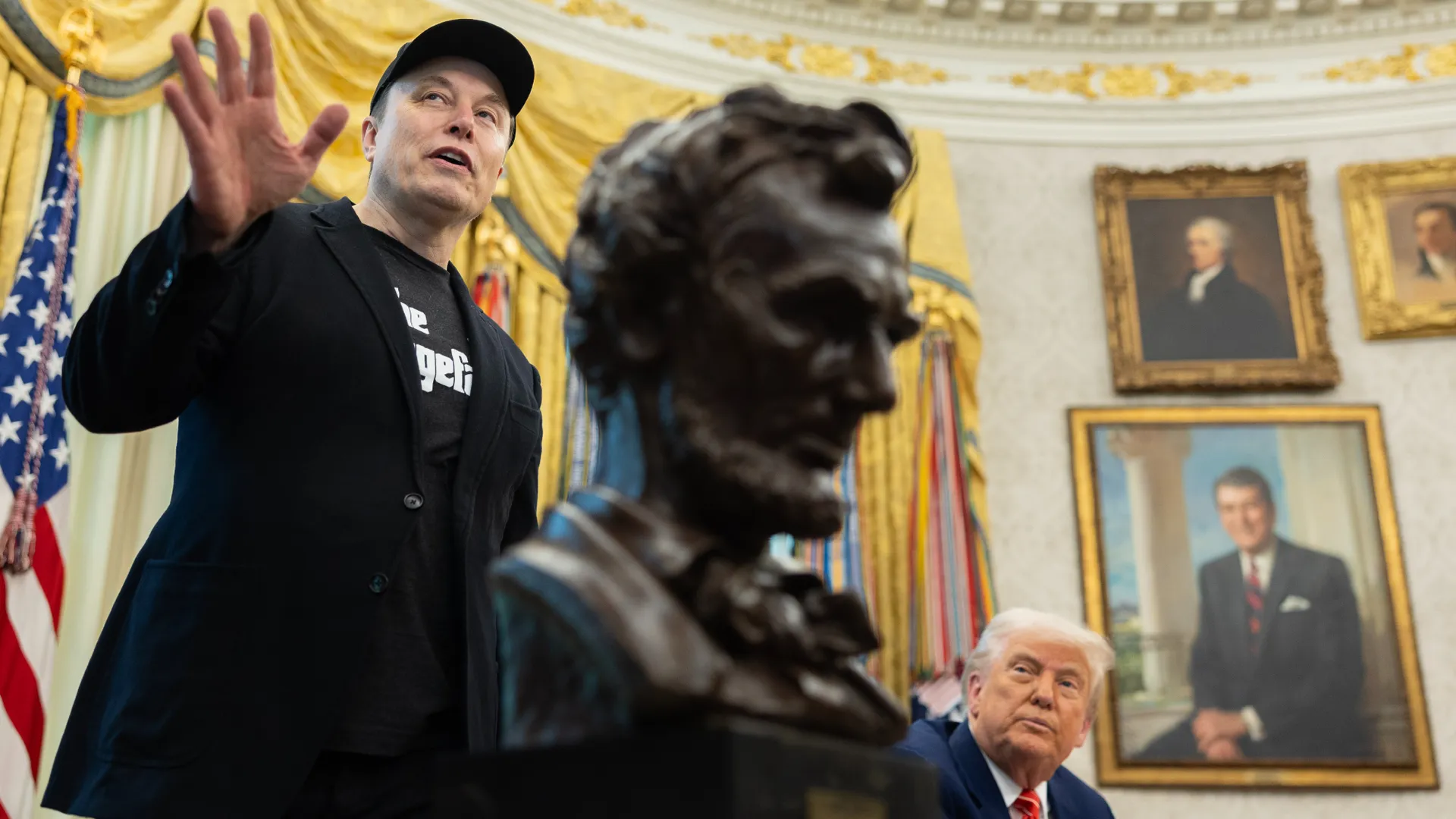
    European tech regulation, including the EU’s Digital Services Act and the U.K.’s Online Safety Act, has hit MAGA figures hard in two respects, said The Guardian: the “economic interests of Silicon Valley,” as well as their “view of free speech.” X owner Elon Musk faces a $140 million fine for breaching the DSA in one of the “prime examples” of what Republicans in the U.S. view as an “anti-free speech culture on the other side of the Atlantic.”

    Under President Donald Trump, the “America First foreign policy rejects violations of American sovereignty,” said Rubio in a State Department press release. “Extraterritorial overreach by foreign censors targeting American speech is no exception.”

    ‘Long-running dispute’
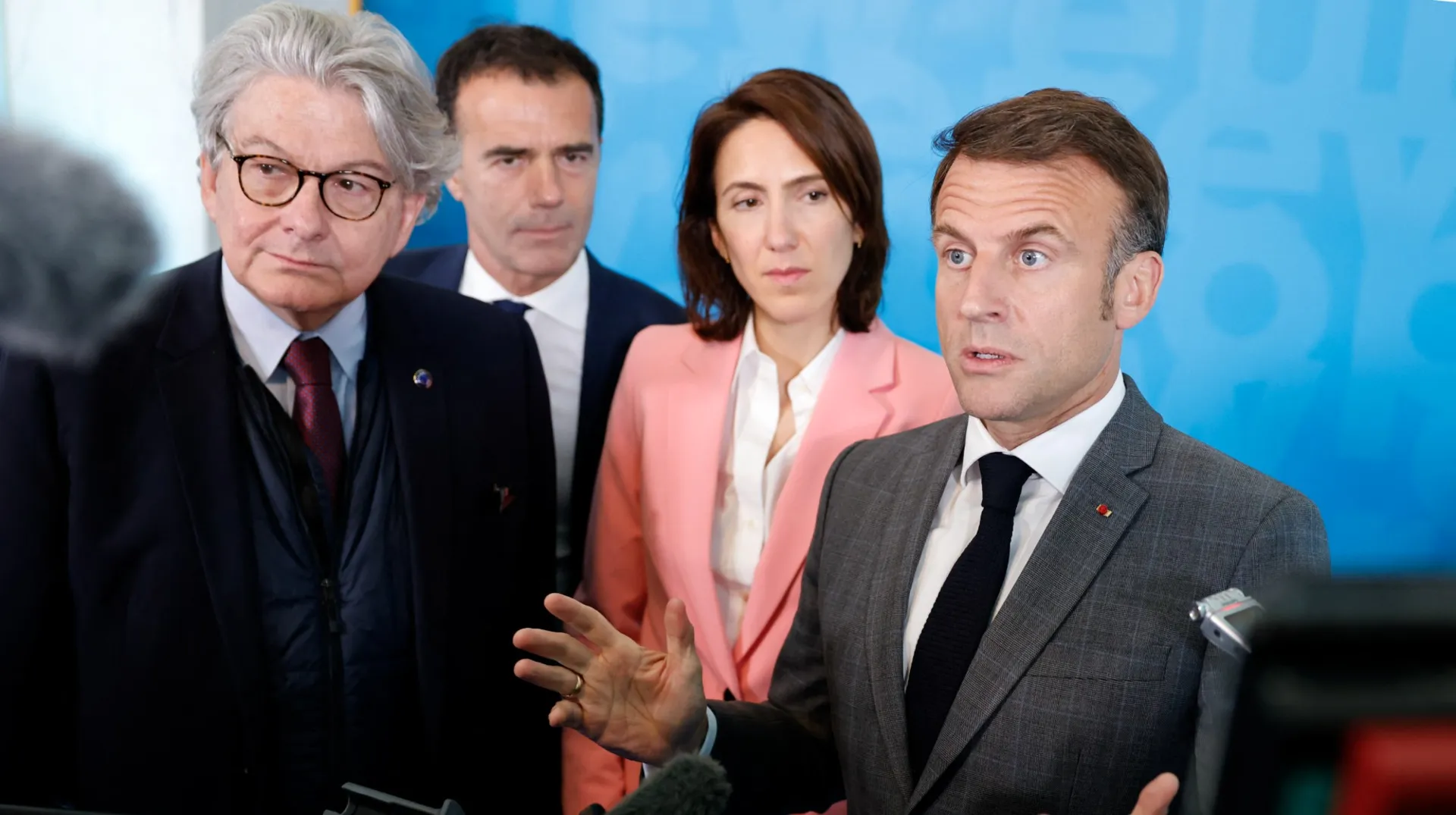
    The European Union “strongly condemns” the travel bans, which risk running counter to the “fundamental right” to freedom of expression, the group said in a statement. The travel ban, which includes former top EU technology regulator Thierry Breton, amounts to “intimidation and coercion” aimed at “undermining European digital sovereignty,” said French President Emmanuel Macron on X.

    The administration’s ban “deepens a long-running dispute” between the U.S. and EU over the “major question” of “how do you regulate the internet?” said NPR host Ailsa Chang on “All Things Considered.” By banning “prominent individuals” like Breton from entering the U.S., he’s “now being treated the same way as an ISIS terrorist or a narcotrafficker would be,” said NPR’s Eleanor Beardsley in the same broadcast.

    “Is McCarthy’s witch hunt back?” Breton asked on X. “To our American friends: Censorship isn’t where you think it is.”


    Statistic of the day

    $1 billion: The amount that tech billionaires have donated to help fund the Future Circular Collider, the proposed successor to the world’s largest particle accelerator, the Large Hadron Collider, according to the European Organization for Nuclear Research. The FCC would have a circumference of 56.5 miles, more than three times that of the LHC with 16.8 miles.


    TALKING POINTS

    Why 2025 was a pivotal year for AI

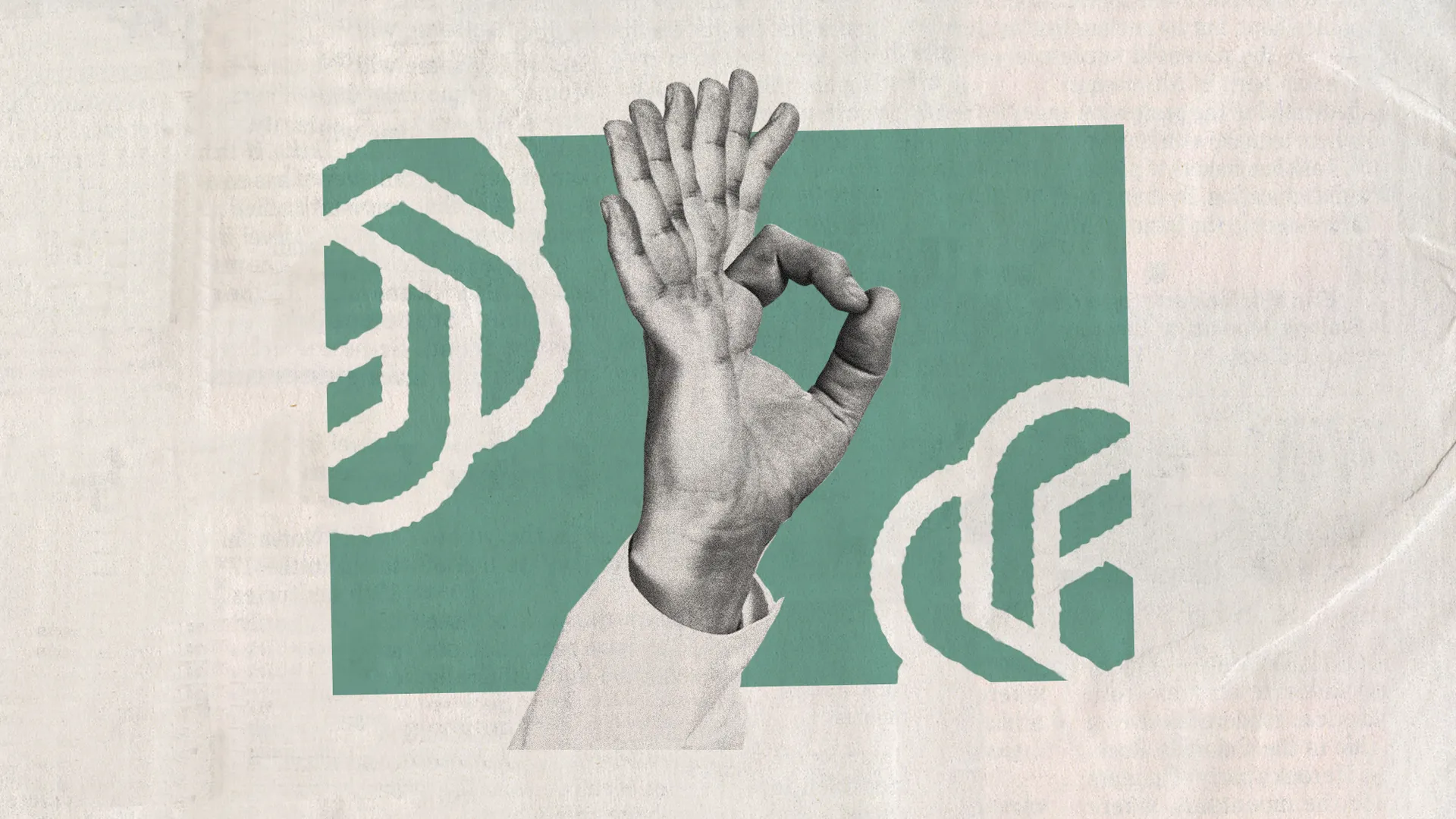
    “By 2030, if we don’t have models that are extraordinarily capable and do things that we ourselves cannot do, I would be very surprised,” OpenAI CEO Sam Altman said to Politico in September. And the AI advances made since the start of 2025, said The Economist, could “set the world on a path of explosive growth.”

    ‘Charismatic megatrauma’ 
    We have reached a “pivotal moment” in our relationship with artificial intelligence, said Idan Feingold at CTech. Over the last year, the AI hot potato has “evolved from a buzzword to the epicenter of every business conversation.” And there has been an unprecedented “surge” in productivity linked to AI innovation, with practical applications advancing at an unprecedented pace.

    AI has “begun to settle like sediment into the corners of our lives,” said David Wallace-Wells at The New York Times. Following the “prophetic phase” that came after the 2023 release of ChatGPT, we have relaxed into “something more quotidian.” Like many other “charismatic megatraumas,” such as nuclear proliferation and climate change, AI retains the power to distress and disturb but no longer provokes mass hysteria.  

    ‘Genuine opportunities’ 
    The “hype and the hopes around AI have been like nothing the world has seen before,” said The Economist. Audiences have “marveled” at ChatGPT’s abilities and been “mesmerized” by Sora 2’s generative video capabilities. And this fascination shows no signs of fading. More than $7 trillion will be spent on AI by the end of the decade, according to analysts’ predictions. 

    Amid this flood of funding, sceptics are speculating about when the AI bubble might burst. But that may be “asking the wrong question,” said Jurica Dujmovic at MarketWatch. Don’t be misled by the 2000 dot-com crash. We are experiencing an “orderly deflation” rather than a sudden collapse. Amid the doom and gloom, the AI market still presents “genuine opportunities” for investors, operators and consumers. 

    Focus is now “shifting” to the outlook for AI in 2026, especially concerning its commercial profitability, said The Economist. This coming year, expect reactions to be even more extreme, with “economic revival,” a “financial bust” and “social backlash” all possible.


    Good day 🛬

    … for safety innovation. A plane has landed itself during an in-flight emergency — a first for aviation automation. The twin-engine aircraft carrying two people touched down safely at an airport near Denver, Colorado, under the control of Garmin’s Autoland system after the pilot lost contact with air traffic control.


    Bad day 📽️

    … for cinematic legacy. The Ariana Cinema, a historic movie theater in Kabul, Afghanistan, has been torn down. As part of an anti-culture crusade by the Taliban, “all the signs of historical Afghanistan are being destroyed,” said Afghan film director Amir Shah Talash to The Associated Press.


    Picture of the day

    Fish out of water

    Dancers participate in a parade of fish-shaped lanterns and traditional music through the historic village of Wangmantian within Huangshan City in Anhui Province, China. Fish symbolize abundance and good fortune, and the tradition of carp-like lanterns goes back over 600 years.
    Shi Yalei / VCG / Getty Images


    QUIZZES

    Year in review

    How well do you remember 2025? Take our year-end quizzes to see how well you recall the year in news.

    Play here


    The Week recommends

    The best drama series of 2025

    The streaming era has produced its share of pathologies, including bloated running times and narratives padded with filler. But the best TV dramas of this past year are a reminder that television has become our predominant cultural medium.

    ‘Dying for Sex’
    Adapted from the documentary podcast of the same name, “Dying for Sex” stars Michelle Williams as Molly, who leaves her husband and embarks on a riotous journey of erotic discovery after her cancer comes back, this time with a terminal diagnosis. It’s “hilariously funny, guttingly sad and somehow also tingling with joy about the preciousness of life,” said The New Republic. (Hulu)

    ‘Forever’
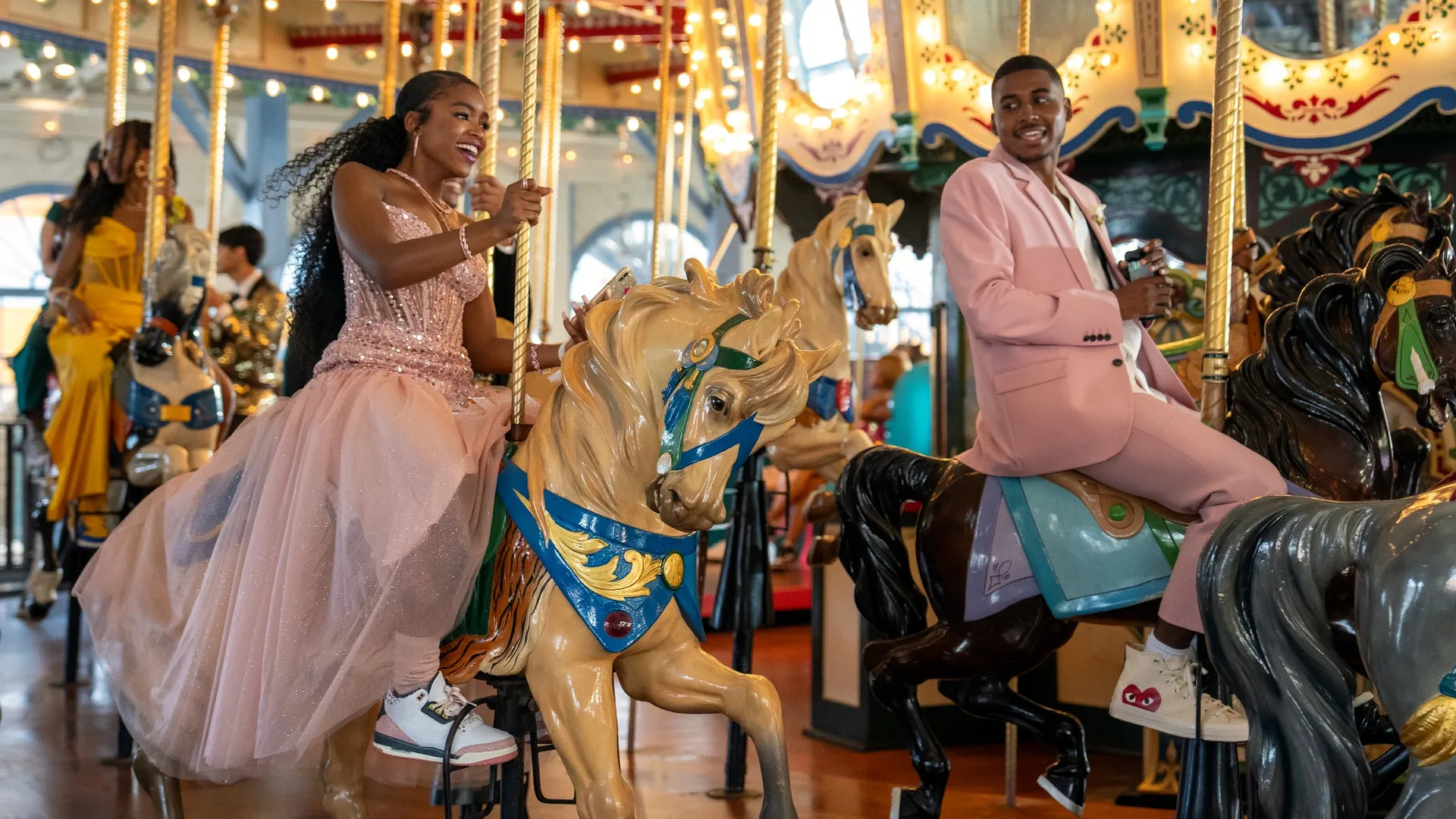
    Adapted from Judy Blume’s beloved novel, this is the rare series (pictured above) that can be enjoyed by both the YA demographic and adults. A “charming slow burn,” it’s “one of Netflix’s few shows to have a predominantly Black cast,” enabling it to be “specific in its exploration of the Black teen experience in America,” said The Cut. (Netflix)

    ‘The Narrow Road to the Deep North’
    Most winners of the heady Man Booker Prize, like Richard Flanagan’s moving and brutal 2014 novel, aren’t easy adaptations. This translation is riveting. By depicting a group of people who experience World War II and “come away with very little greater understanding of life,” the series is “gorgeous, ugly and stirring, with parts that seared themselves into my brain,” said Slate. (Prime)

    Read more


    Poll watch

    Over seven in 10 Americans (71%) believe there’s at least one economic issue the government should prioritize in 2026, according to an AP-NORC survey. The poll of 1,146 adults found that immigration (44%) and health care (41%) are also on people’s minds for the coming year. 


    INSTANT OPINION

    Today's best commentary

    ‘Why we fall for narcissistic leaders, starting in grade school’
    Adam Grant at The New York Times
    Throughout history, the “greater the societal instability, the more people wanted a leader who projected physical dominance and strength,” says Adam Grant. Today, conditions are “fertile” for “authoritarians who promise to restore order to chaos and narcissists who exude intoxicating levels of confidence.” While a “little grandiosity can be conducive to big, disruptive ideas,” the “evidence is abundant that people with high levels of narcissism make for worse leaders.”

    ‘The housing market is moving in favor of Gen Z’
    Conor Sen at Bloomberg
    “Like previous generations, most young people are going to end up owning homes,” says Conor Sen. The “buyers’ strike of the past three years is producing results” and “by 2027, the U.S. will probably have more existing homes for sale than it has had in a decade.” Although “starting affordability is worse,” baby boomers were a “headwind for millennials, whereas they are a tailwind for Gen Z. Additionally, politicians across parties are talking about making housing more abundant and affordable.”

    ‘As a neurologist, I know the brain. Then my postpartum psychosis began.’
    Barbara Decker at USA Today
    After being “seized by an overwhelming, unwanted compulsion to throw myself and my baby into oncoming traffic,” says Barbara Decker, “I was diagnosed with postpartum obsessive-compulsive disorder and psychosis.” American mothers “die at three times the rate of women in other developed countries,” and “mental health complications are now the leading cause of pregnancy-related death.” But “effective treatments exist. When recognized early, most women fully recover.”


    WORD OF THE DAY

    screenager

    A slang term for a teenager who spends long periods of time on screen devices like a phone or computer. To guide screenagers when looking at content, some teachers, like Valerie Ziegler in San Francisco, train their students to “consult a variety of sources” as part of a healthy online diet, said The New York Times. 


    Evening Review was written and edited by Will Barker, Nadia Croes, Scott Hocker, Justin Klawans, Joel Mathis, Summer Meza and Rafi Schwartz, with illustrations by Stephen Kelly and Julia Wytrazek.

    Image credits, from top: Andry Djumantara / Getty Images; Ludovic Marin / AFP / Getty Images; Illustration by Julia Wytrazek / Getty Images; Elizabeth Morris / Netflix
     

    Recent editions

    • Sunday Shortlist

      A ‘hypnotic’ revival of Into the Woods

    • Saturday Wrap

      The drumbeats of war

    • Morning Report

      Top music albums of the year

    VIEW ALL
    TheWeek
    • About Us
    • Contact Future's experts
    • Terms and Conditions
    • Privacy Policy
    • Cookie Policy
    • Advertise With Us
    • FAQ
    Add as a preferred source on Google

    The Week UK is part of Future plc, an international media group and leading digital publisher. Visit our corporate site.

    © Future Publishing Limited Quay House, The Ambury, Bath BA1 1UA. All rights reserved. England and Wales company registration number 2008885.