This year was a mixed one in the fight against global warming. While some countries continued to make positive steps toward net zero, the return of President Donald Trump to the White House exacerbated an already fraying international climate consensus. But a series of scientific breakthroughs in 2025 holds out some hope for a greener future.
Automated food waste upcycling
AI-powered food waste management uses real-time data and predictive analytics to monitor, categorize and reduce food waste. Food scraps can effectively be upcycled into resources for “composting and biogas systems,” said The Sweaty Penguin environmental podcast.
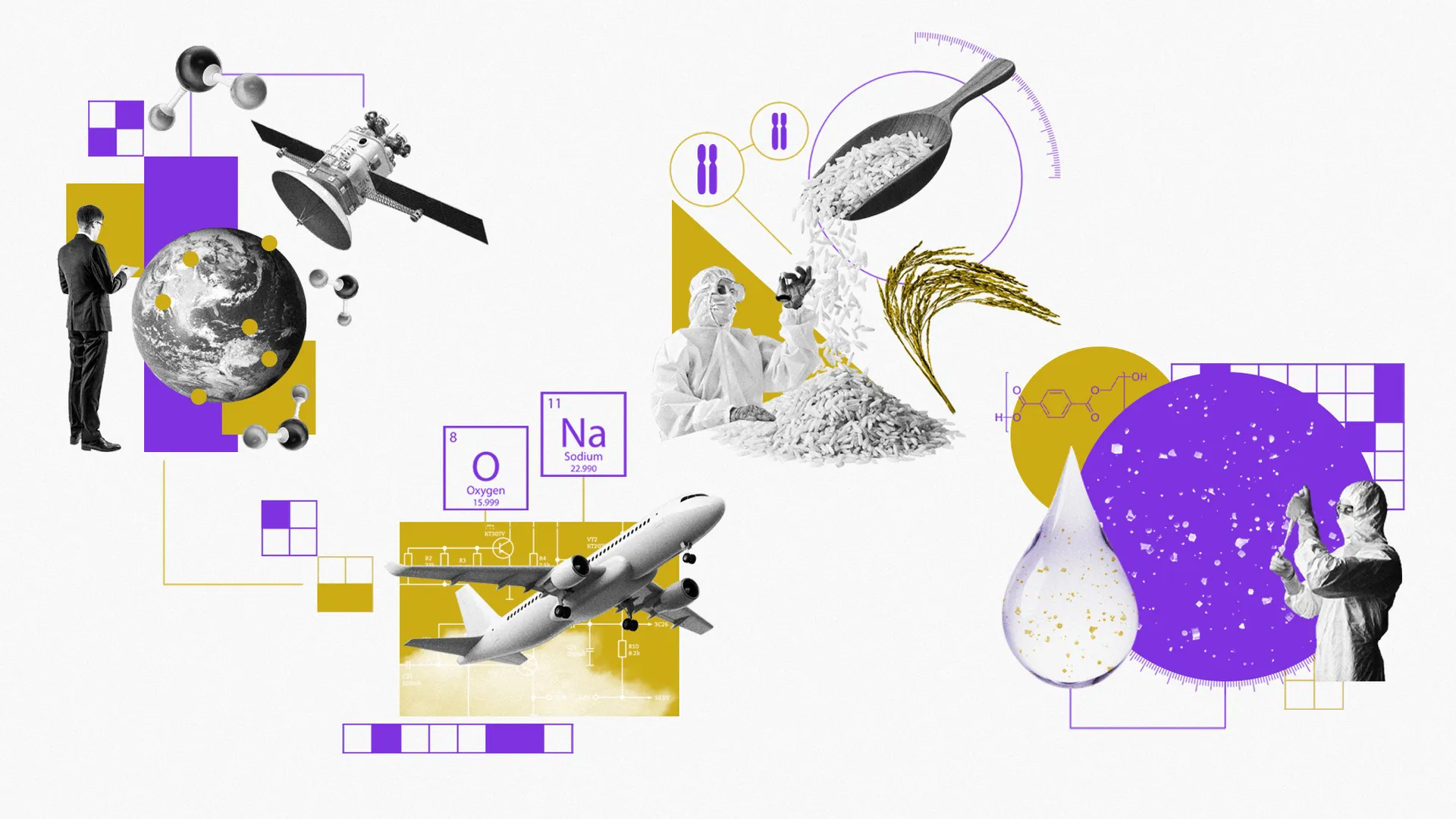
Published in the journal Frontiers, this technology can also support “nutrient cycling” by enabling food waste to be returned to soil systems, said the program. Automated waste sorting can also “separate food waste from plastic waste,” which reduces “plastics and organics going into landfills,” produces “quality compost for agriculture” and helps to “slash methane, CO2 and nitrous oxide emissions.”
Gene variant protection of rice production
Chinese researchers led by plant geneticist Yibo Li of Huazhong Agricultural University have discovered a naturally occurring gene variant that can preserve both the yield and quality of rice from excessive heat. Rising temperatures are a “major and growing threat” to rice production, said Science. In a 2004 study, yields fell by 10% for every degree Celsius that average nighttime air temperature rose.
The impact of this “major breakthrough” could “ultimately be even broader than rice,” said Argelia Lorence, a plant biochemist at Arkansas State University, to the journal Science. The same gene variant can be found in other cereals that are at a similar risk from heat.
Sodium batteries for electric flight
While still in the experimental stage, sodium batteries could eventually lead to electric-powered flight, which is more sustainable and much cheaper even than nonpetroleum aviation fuel. A new sodium-air fuel cell, designed by a team led by Yet-Ming Chiang, a professor of materials science and engineering at MIT, works by combining liquid sodium with oxygen drawn from the air in a continuous reaction. The device is “based on well-established electrochemical principles,” said The Times, but “unlike conventional batteries, which must be recharged, it’s designed to be refuelled, with its energy-rich material being replaced as it’s consumed.” |