After more than four years of war between Russia and Ukraine, Russian President Vladimir Putin has made a rare admission that the conflict has caused a national problem. In this case, it’s a significant fuel shortage driven by Ukrainian drone strikes that’s exacerbating economic strain across Russia, and the issue may not be abated any time soon.
‘Certain deficit’
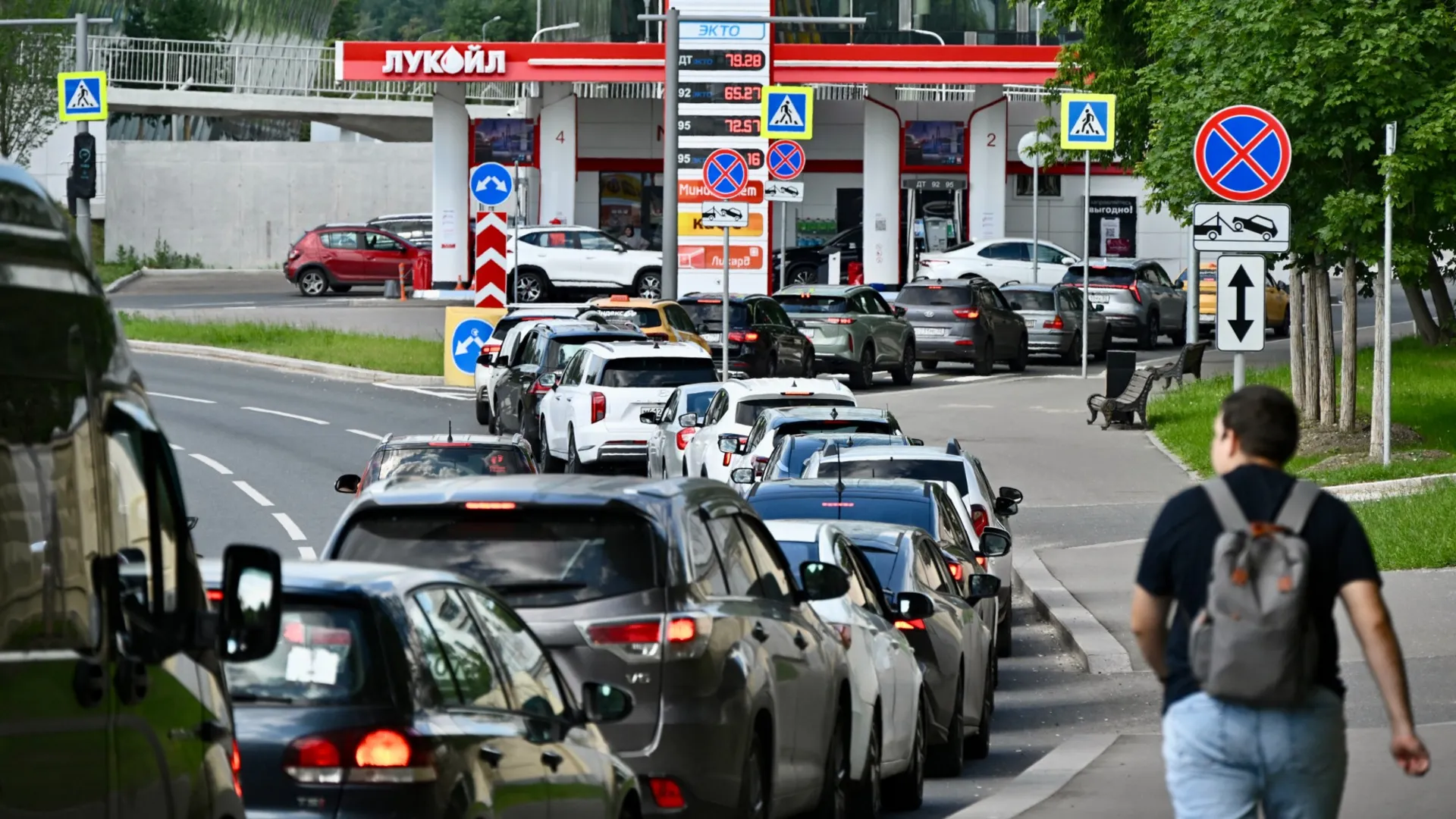
The country is now facing a “certain deficit” of fuel, said Putin on state television. Russians are “well aware that problems for drivers and for businesses persist,”he said to senior petroleum industry officials, according to Al Jazeera. “Unfortunately, there are still queues at petrol stations too.”
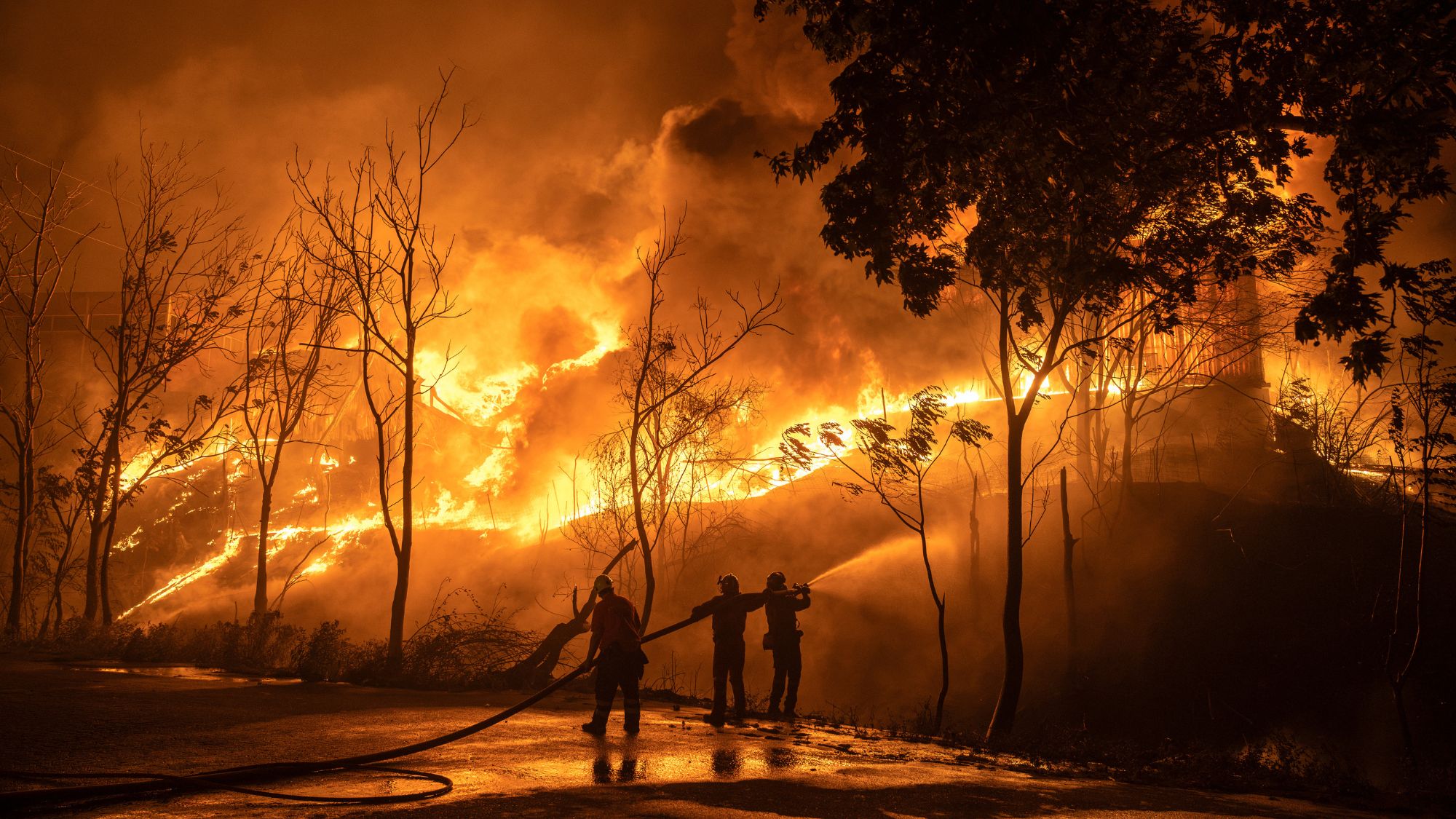
The shortage largely stems from Ukrainian attacks on Russian oil infrastructure. Ukraine has “stepped up attacks on Russian energy facilities in recent months, hitting Russia’s crude oil,” said Al Jazeera. As a result, the “amount of crude oil Russia processed into fuel in June was down 25% from a year ago” and hit the “lowest level in over two decades,” said Gary Peach, an oil markets analyst at Energy Intelligence, to The Associated Press.
Ukraine has “clearly scaled up the quantity of their drones and the quality of their drones,” said Christina Harward, an expert at the Institute for the Study of War, to Deutsche Welle. Ukraine has also made an “effort to identify and destroy Russian air defense systems.”
‘Situation is not very good’
The fuel shortages have led to social and financial unrest. The “lines are growing at Russian gas stations, and so is the frustration and uncertainty” as the deficits drag on and oil prices go up, said the AP. “I think the situation is not very good,” one motorist waiting in line said to the outlet. Numerous cities have rationed fuel, with “hourslong queues of cars snaking beside roads.”
And it doesn’t appear the crisis is going anywhere, as “half of Russia’s 83 regions are now reporting shortages,” said the Center for European Policy Analysis. For now, Russia has “enough fuel for the army, key industries and agriculture, but everywhere else the choice is between paying more and waiting longer.” A Gallup survey found that “60% of Russians interviewed between March and May said their local economic conditions are getting worse.” |