The Week The Week
flag of US
US
flag of UK
UK
https://cdn.mos.cms.futurecdn.net/flexiimages/jzblygzdxr1769609154.gif

SUBSCRIBE

Try 6 weeks free

Sign in
  • View Profile
  • Sign out
  • The Explainer
  • Talking Points
  • The Week Recommends
  • Podcasts
  • Newsletters
  • From the Magazine
  • The Week Junior
  • More
    • Politics
    • World News
    • Business
    • Health
    • Science
    • Food & Drink
    • Travel
    • Culture
    • History
    • Personal Finance
    • Puzzles
    • Photos
    • The Blend
    • All Categories
  • Newsletter sign up Newsletter
  • The Week Evening Review
    US-Ukraine relations, an asylum seekers’ lawsuit, and Duterte on trial

     
    TODAY’S BIG QUESTION

    Have Zelenskyy, Trump turned a diplomatic corner?

    President Donald Trump and Ukraine’s Volodymyr Zelenskyy have never had what could feasibly be called a “warm” relationship, stretching back well into Trump’s first term. Given their frosty history, Trump’s enthusiasm during this week’s NATO summit for Ukraine’s recent wartime successes against Russia came as a shock to many. By announcing plans to loosen restrictions on American arms for Ukraine’s defense, has Trump come around to the Ukrainian president, or will the infamously mercurial MAGA president revert to his previous hostility?

    What did the commentators say?
    Trump “heaped praise” on Zelenskyy and Ukraine during the NATO summit in Ankara, where he spoke in “unusually positive terms” about Kyiv’s strikes in deep Russian territory, said The Washington Post. The pair’s “bonhomie” signaled the “latest shift in a historically fraught relationship,” said The Hill.

    Given that Trump has “zigged and zagged when it comes to Ukraine,” the president’s offer to grant Kyiv a Patriot missile manufacturing license is being “cheered” in Ukraine with a “heavy dose of caution,” said The New York Times. Trump’s endorsement of deep drone strikes by Ukraine as an “escalation that could help end the war” marked his “strongest praise yet” for Zelenskyy’s wartime gains and dealt a “significant blow to Russia’s efforts to keep Trump on its side in talks to end the war,” said The Wall Street Journal. 

    Trump “always wants to be on the winning side,” said Viktor Shlinchak, the head of the Institute of World Policy, to the Journal. And “right now, it does not look like Ukraine is losing.”

    What next?
    European leaders have “embraced the new messaging,” said the Post. “It’s so important” that Trump is “now taking very seriously that Ukraine has a chance,” said Estonian Foreign Minister Margus Tsahkna, per the outlet. 

    The unexpectedly friendly meeting between the two leaders “appeared to demonstrate the best-case scenario for Ukraine and its supporters among NATO members,” said The Hill. Many had worried that Trump’s “animosity toward the alliance” and “routine deference” to Russian President Vladimir Putin would “undermine support” for Kyiv and NATO.

    Still, the language Trump used to promise Patriot manufacturing rights for Ukraine is “rather vague,” said CNN. The president “admitted that he had not yet discussed the issue” with domestic arms manufacturers.


    QUOTE OF THE DAY

    ‘At the Smithsonian, our work is driven by scholarship, accuracy and an uncompromising commitment to tell the fullness of America’s story.’

    Smithsonian Secretary Lonnie Bunch, in an internal staff letter, responding to a White House report that accuses the National Museum of American History of presenting a “radical view” of American history. It’s not a “fair characterization of the work and totality” of the museum, he added.


    IN THE SPOTLIGHT

    The US and Iran clash over asylum seeker data

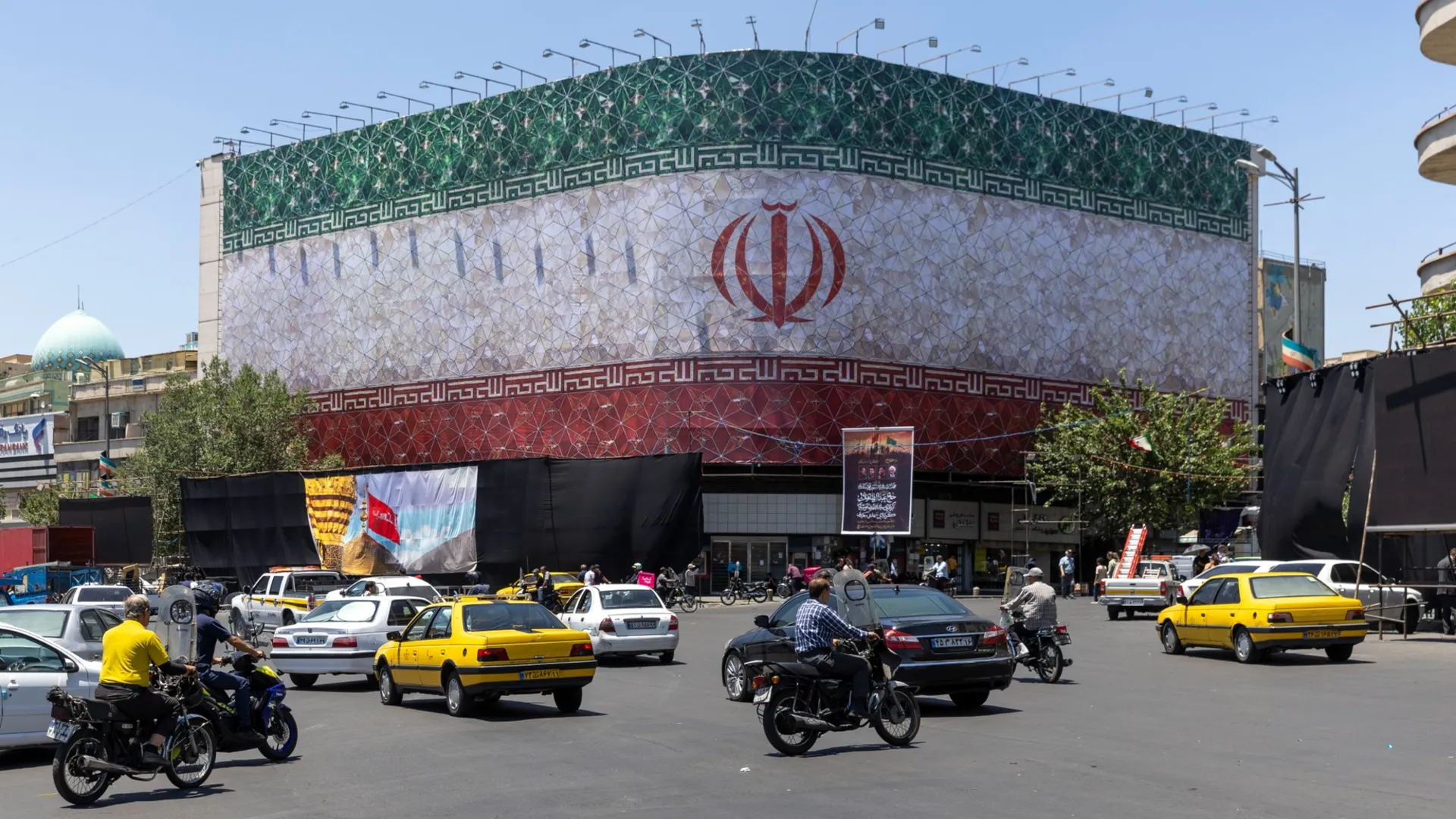
    Even though the U.S. and Iran are embroiled in war, a new lawsuit against the Trump administration is claiming that the two governments actually began working together last year and jeopardized Iranian asylum seekers’ lives in the process. The White House has dismissed these claims, but those who filed the lawsuit are not backing down.

    ‘Confidential information’
    The issue first arose in 2025 when the Trump administration “adopted a policy of providing” the Iranian government with “confidential information from the immigration files of Iranians seeking asylum” in the U.S., according to the lawsuit filed by the Iranian American Legal Defense Fund. Many of the asylum seekers whose information is allegedly being shared are people who “seek refuge” in the U.S. because of the “grave dangers they face” in Iran, such as pro-democracy activists and members of the LGBTQ+ community.

    Disclosing the confidential information of these asylum seekers “violates federal regulations requiring confidentiality, endangers their family members and acquaintances who may still be residing in Iran, and puts those who are subject to removal to Iran at risk of persecution,” said the legal defense fund in a statement. The lawsuit is requesting that the court “order the U.S. government to stop sharing asylum-applicant information with the government of Iran.”

    The allegations are based on accounts from “detainees who had been called into meetings with Iranian officials who seemed to already possess details from their U.S. immigration files,” said Michael Kirkpatrick, an attorney for the Iranian American Legal Defense Fund, to The New York Times. The Department of Homeland Security has denied any wrongdoing. 

    ‘Lives depend on them’
    The U.S. government is “allowed to work with government officials of foreign countries to coordinate deportation logistics,” said The Associated Press. But federal regulations generally “prohibit the government from sharing information that could reveal that the individual getting deported applied for asylum.” Congress “made these confidentiality protections mandatory precisely because lives depend on them,” said Ali Rahnama, the interim executive director of the fund, to the AP.

    The war between the two nations might ordinarily have slowed the information sharing. But the lawsuit “alleges that the Trump administration has continued to share confidential information” throughout the conflict, said ABC News.


    Statistic of the day

    260: The number of Starlink satellites that SpaceX disposed of between December 2025 and May 2026, “vaporizing them via reentry into the Earth’s atmosphere,” according to a report SpaceX filed with the FCC, per Tom’s Hardware (a sister site of The Week). While this disposal “disintegrates 100% of the spacecraft,” it has “raised concerns about its effect on the atmosphere.”


    THE EXPLAINER

    Why the Philippines VP, Sara Duterte, is on trial

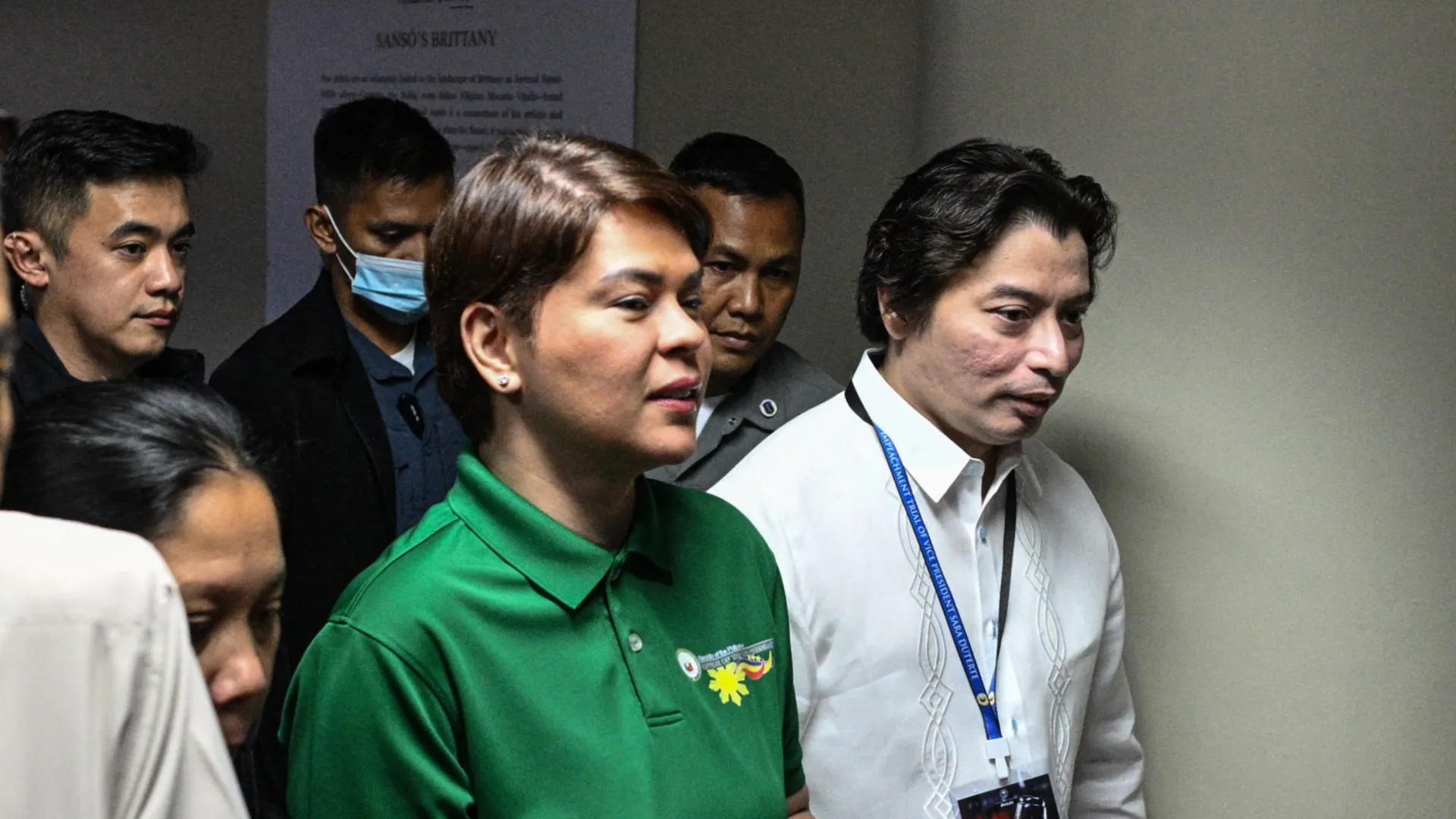
    The vice president of the Philippines is facing impeachment proceedings in a trial that has brought long-standing political tensions to a head. Sara Duterte denies charges, including corruption, bribery and threats against President Ferdinand Marcos Jr., in what she claims is a case of political harassment. The trial, which began on Monday, is the culmination of a fallout between the country’s most powerful political dynasties.

    Who are the Duterte and Marcos families?
    The vice president (pictured above) is the daughter of Rodrigo Duterte, who ruled the Philippines with an iron fist from 2016 to 2022. In the 2022 election, she became the running mate of presidential candidate Marcos Jr., the son of the dictator who ruled for 20 years before being deposed in 1986. The two younger scions seemed “unstoppable” and won a landslide, said the BBC. In the end, however, there was “not enough power to share between them.”

    What happened?
    Cracks appeared when Marcos’ allies in the Senate began investigating Duterte for alleged misuse of government funds. The pair also disagreed on their approach to Beijing. Marcos ordered the navy to “stand up to China” in the South China Sea, in “sharp contrast” to pro-China Duterte, said Al Jazeera.

    In October 2024, their relationship had become so “toxic” that she had the urge to “chop off his head,” she said to reporters at the time. “If I get killed, go kill BBM,” said Duterte in November during a livestream about Marcos, who’s commonly referred to as Bongbong. His supporters filed an impeachment complaint based on the livestream and the alleged misuse of funds. This trial shifts the “power struggle” to “a new battleground,” said the BBC, and it will “play out on livestreams for the entire nation.”

    What’s the trial’s significance?
    Prosecutors view the case as a “test of accountability ‌and public trust,” said Reuters, while her defense team denounces it as a “politically driven bid” to unseat an elected official. The outcome could “shape the 2028 presidential race,” in which Duterte says she intends to run. Should she be convicted and barred from standing, there are “fears of widespread protests” and political turmoil that would “impact the Philippines’ economic growth.”


    Good day 🦟

    … for repelling mosquitoes. A home-grown catnip lotion has proved as effective as Deet at repelling mosquitoes in Ugandan field trials, offering hope of an affordable weapon in the fight against malaria. The project aims to create a community-run enterprise to manufacture and sell the lotion, thereby improving access to protection and generating local income.


    Bad day 🔁

    … for public Instagram accounts. Meta’s inaugural AI image model, Muse Image, has launched an update that automatically opts public Instagram profiles into being “fodder for generative AI remixes,” said Wired. If you want to avoid AI-generated versions of your IG posts without switching your account to private, you have to “dig into the app’s settings” to opt out.


    Picture of the day

    A flare for the dramatic

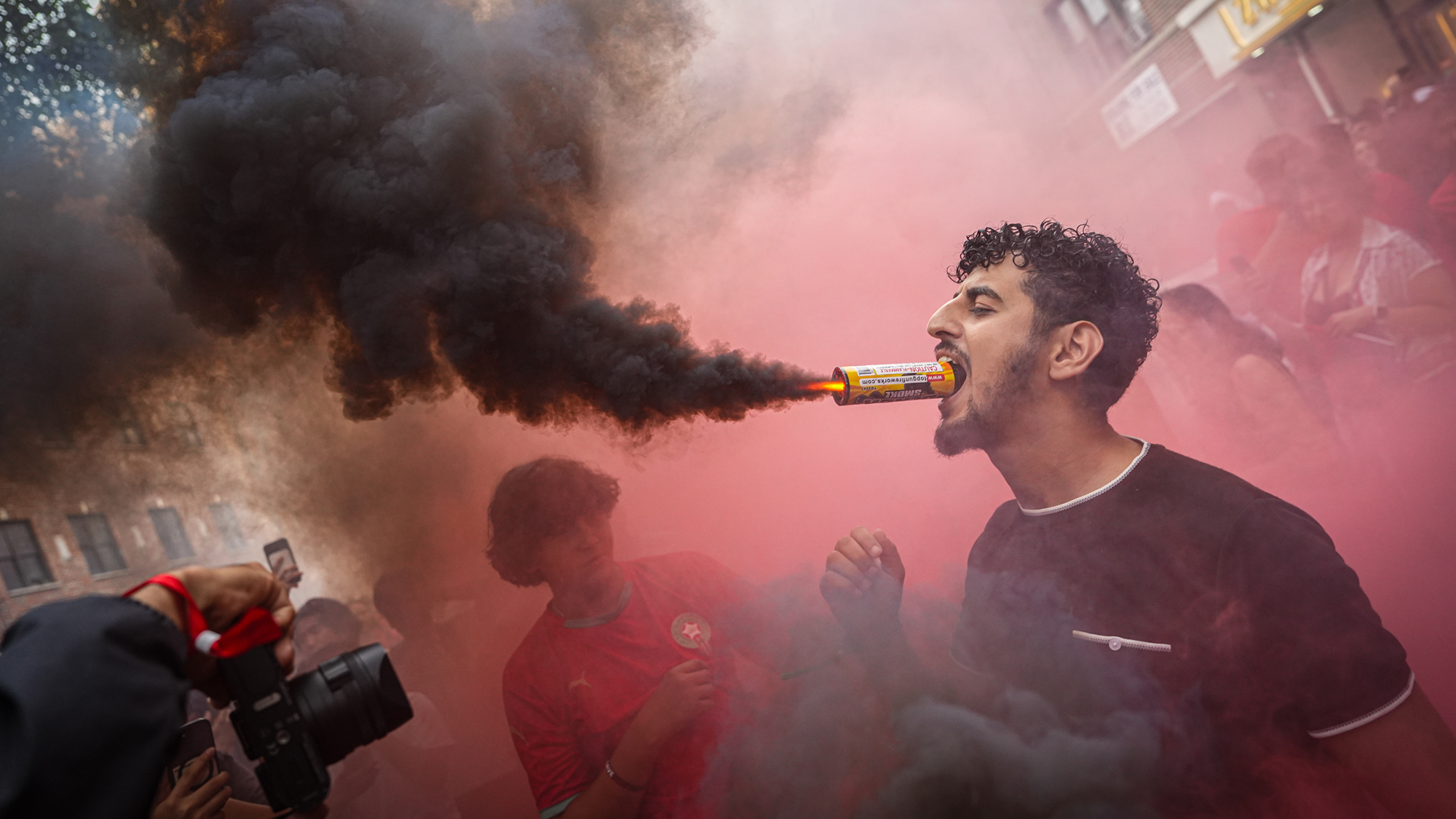
    A Morocco fan holds a flare in his mouth after the World Cup quarterfinal between France and Morocco in New York City’s Astoria, Queens. France came out victorious after star Kylian Mbappé scored his eighth goal of the tournament in the 60th minute.
    Ryan Murphy / AP Photo


    Puzzles

    Daily sudoku

    Challenge yourself with The Week’s daily sudoku, part of our puzzles section, which also includes guess the number

    Play here


    The Week recommends

    The best martial arts TV shows of all time

    Martial arts is still one of the few subgenres without much presence in the sprawling prestige TV universe. But as streamers have diversified and internationalized their offerings, there are now more options than ever before, including these standout shows. 

    ‘Kung Fu’ (1972-75)
    Some of the casting decisions, like having David Carradine play a Chinese character that Bruce Lee auditioned for, would not fly today. But the series remains an “unforgettable pop culture phenomenon that blended solid action, engrossing storytelling and the philosophical musings” of Caine’s slain mentor, Master Po (Keye Luke), said Flickering Myth. (Prime Video)

    ‘Wu Assassins’ (2019)
    Indonesian superstar Iko Uwais (“The Raid”) plays Kai Jin, a San Francisco chef based in Chinatown who learns that he’s the last in a long line of mystical warriors. A “true treat for any action fan,” the series “grabs you with its flesh-and-blood energy and ambition, offering a spectacle that has become all too rare in action stories these days,” said Nick Allen at Roger Ebert. (Netflix)

    ‘My Name’ (2021)
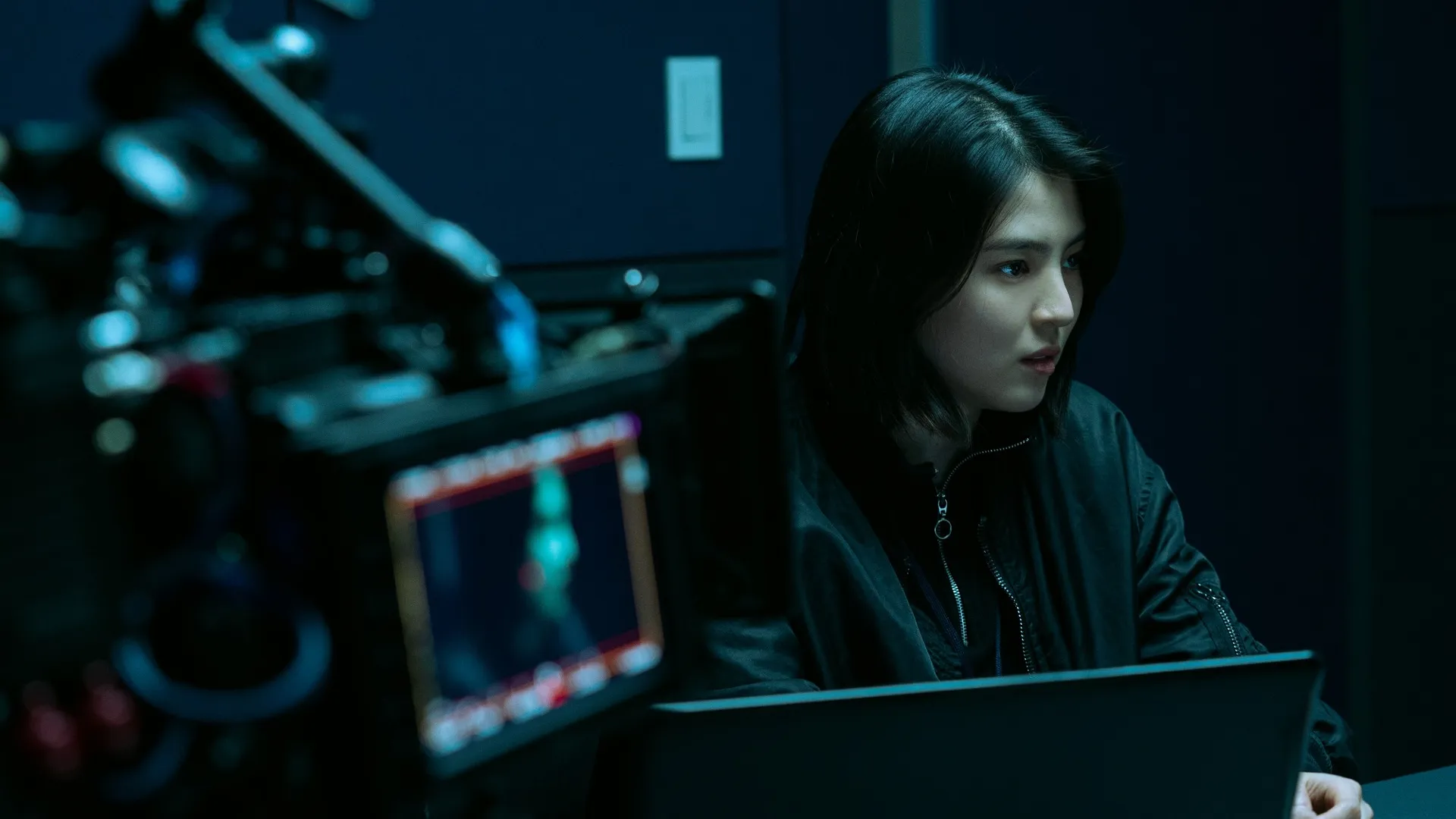
    Ji-woo, played by Han So-hee (pictured above), joins the police as a mole for a drug cartel to get revenge for her father’s murder in this Korean drama that remains little known in the U.S. This “enthralling and enjoyable revenge thriller” uses “long drawn-out sequences and impressive choreography” to build a compelling and slick drama, said Greg Wheeler at The Review Geek. (Netflix)

    Read more


    Poll watch

    Fewer than one-third (32%) of American Jews have a positive view of Benjamin Netanyahu, according to an Associated Press / NORC Center for Public Affairs Research survey. Of 1,022 Jewish adults polled, 59% have a negative opinion of the Israeli prime minister, and two in five believe the U.S. is “too supportive” of Israel.


    INSTANT OPINION

    Today’s best commentary

    ‘Republicans lean into anti-Asian racism ahead of midterms’
    Ja’han Jones at MS NOW
    Some conservatives are “resorting to anti-Asian racism and anti-Chinese xenophobia as the Republican Party faces a potential shellacking in this year’s midterms,” says Ja’han Jones. The attacks “underscore the exploitative posture that some in the GOP have taken toward Asian Americans.” Polls have shown Americans “broadly oppose Trump and the GOP’s agenda,” so it “seems the party is leaning into voter suppression gambits and overt racism as it tries to maintain power.”

    ‘Will Iraq’s new prime minister really take on corruption?’
    Mina Al-Oraibi at Foreign Policy
    Corruption has “continued to grow” in Iraq, and even “wide-ranging arrests do not represent a majority of those who have siphoned money from the Iraqi state,” says Mina Al-Oraibi. Iraqi Prime Minister Ali al-Zaidi is “personally overseeing the anti-corruption cases” and “needs to do this in part because he remains a weak candidate.” But an “impartial effort to eliminate all corruption would take time,” and al-Zaidi has been in office for “less than two months.”

    ‘The dangerous myth of flexibility’
    David Weil at The American Prospect
    Schedule flexibility in the workplace has become the “lynchpin of a well-traveled myth that corporations have spun to their employees, policymakers and the public,” says David Weil. But with AI being “explored as a replacement for many white-collar jobs and the gig work model continuing its global expansion into new sectors like healthcare, information technology, staffing, hospitality and childcare, the flexibility myth now threatens the hard-won rights and protections afforded to tens of millions of working people.” While companies like Uber and Lyft “insist” that flexibility benefits their drivers, it actually “benefits” Uber and Lyft.


    WORD OF THE DAY

    titanosaur

    The largest land animal to ever walk the Earth. After sorting through drawers in the geology archives of the British Antarctic Survey collection, paleontologists have identified a forgotten fossil as the tail bone of a titanosaur — the first dinosaur bone ever found in Antarctica, said the BBC. 


    Evening Review was written and edited by Theara Coleman, Nadia Croes, David Faris, Scott Hocker, Anya Jaremko-Greenwold, Justin Klawans, Harriet Marsden, Summer Meza and Rafi Schwartz, with illustrations by Stephen Kelly and Julia Wytrazek.

    Image credits, from top: Illustration by Stephen P. Kelly / Getty Images; Majid Saeedi / Getty Images; Noel Celis / Pool / AFP / Getty Images; Min Jeehee / Netflix
     

    Recent editions

    • Morning Report

      Police investigate £500k of donations to Reform UK

    • Evening Review

      Can Farage and Le Pen sell their populist revolution?

    • Morning Report

      Trump declares Iran truce ‘over’

    VIEW ALL
    TheWeek
    • About Us
    • Contact Future's experts
    • Terms and Conditions
    • Privacy Policy
    • Cookie Policy
    • Advertise With Us
    • FAQ
    Add as a preferred source on Google Add as a preferred source on Google

    The Week UK is part of Future plc, an international media group and leading digital publisher. Visit our corporate site.

    © Future Publishing Limited Quay House, The Ambury, Bath BA1 1UA. All rights reserved. England and Wales company registration number 2008885.