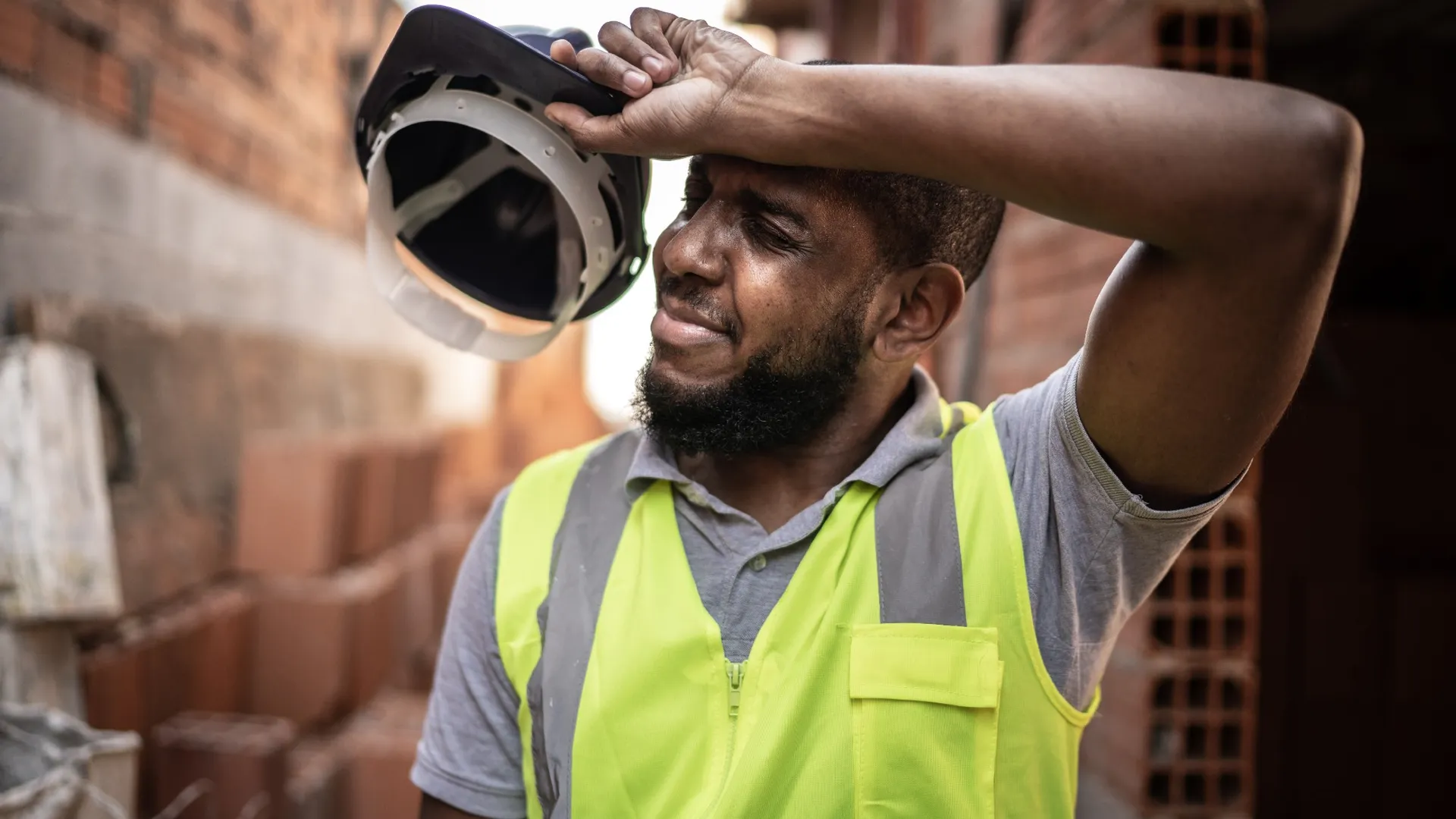
Summertime heat can take a deadly toll on workers, especially in the era of climate change. The Biden administration initiated rules to ensure that U.S. companies provide their employees with breaks to hydrate and recover while laboring in warm temperatures. Now the Trump administration and Republicans in Congress are looking to roll back those protections.
‘Trump will cause some of you to die’
Heat causes “hundreds of workplace deaths” every year, but the Trump administration is rewriting rules that “mandate breaks and access to water and shade for workers,” said The New York Times. The details are still unknown, but already the Occupational Safety and Health Administration (OSHA) is “curtailing workplace inspections” that were designed to “raise awareness of heat-related illnesses.”
A House committee last month approved a bill that would block the Labor Department “finalizing any worker protections for extreme heat,” said E&E News. The Biden-era rule solves a “problem that doesn’t need solving,” Rep. Mark Messmer (R-Ind.) told the outlet. Some workers disagree. “We didn’t sign up for the heat to become as severe as it is,” Trina David, a baggage handler at Phoenix Sky Harbor International Airport, said to the Times.
“Trump will cause some of you to die from the heat,” Robert Reich said on Substack. Countless workers toil “under the hot sun, or in stifling warehouses, or in delivery trucks with no AC,” which can “trigger heat stroke, organ failure and chronic kidney disease.”
The Biden-era rules had a “benevolent paternalism” to them, Matthew Kahn said at Environmental and Urban Economics. But workers possess a “degree of choice over where they live and work” and “what job they take,” Kahn and Joseph Tracy said at the American Enterprise Institute.
‘Deadly trade-offs’
For many workers, the twin trends of “high temperatures and high inflation” are creating a “crisis that rarely makes headlines,” Sharon Block and Dr. Satchit Balsari said at USA Today. Rising prices force cash-strapped workers to choose between paying for “food, rent and healthcare” or the electricity needed to “cool off during their off-hours.” The combination of low wages, increased costs and poor protections is forcing workers into “deadly trade-offs.” |