The Week The Week
flag of US
US
flag of UK
UK
https://cdn.mos.cms.futurecdn.net/flexiimages/jzblygzdxr1769609154.gif

SUBSCRIBE

Try 6 weeks free

Sign in
  • View Profile
  • Sign out
  • The Explainer
  • Talking Points
  • The Week Recommends
  • Podcasts
  • Newsletters
  • From the Magazine
  • The Week Junior
  • More
    • Politics
    • World News
    • Business
    • Health
    • Science
    • Food & Drink
    • Travel
    • Culture
    • History
    • Personal Finance
    • Puzzles
    • Photos
    • The Blend
    • All Categories
  • Newsletter sign up Newsletter
  • The Week Evening Review
    The ‘woke’ pivot, a Pentagon college audit, and tennis’ physical toll

     
    talking points

    Democrats and progressives wrestle with the ‘Woke 1.0’ era

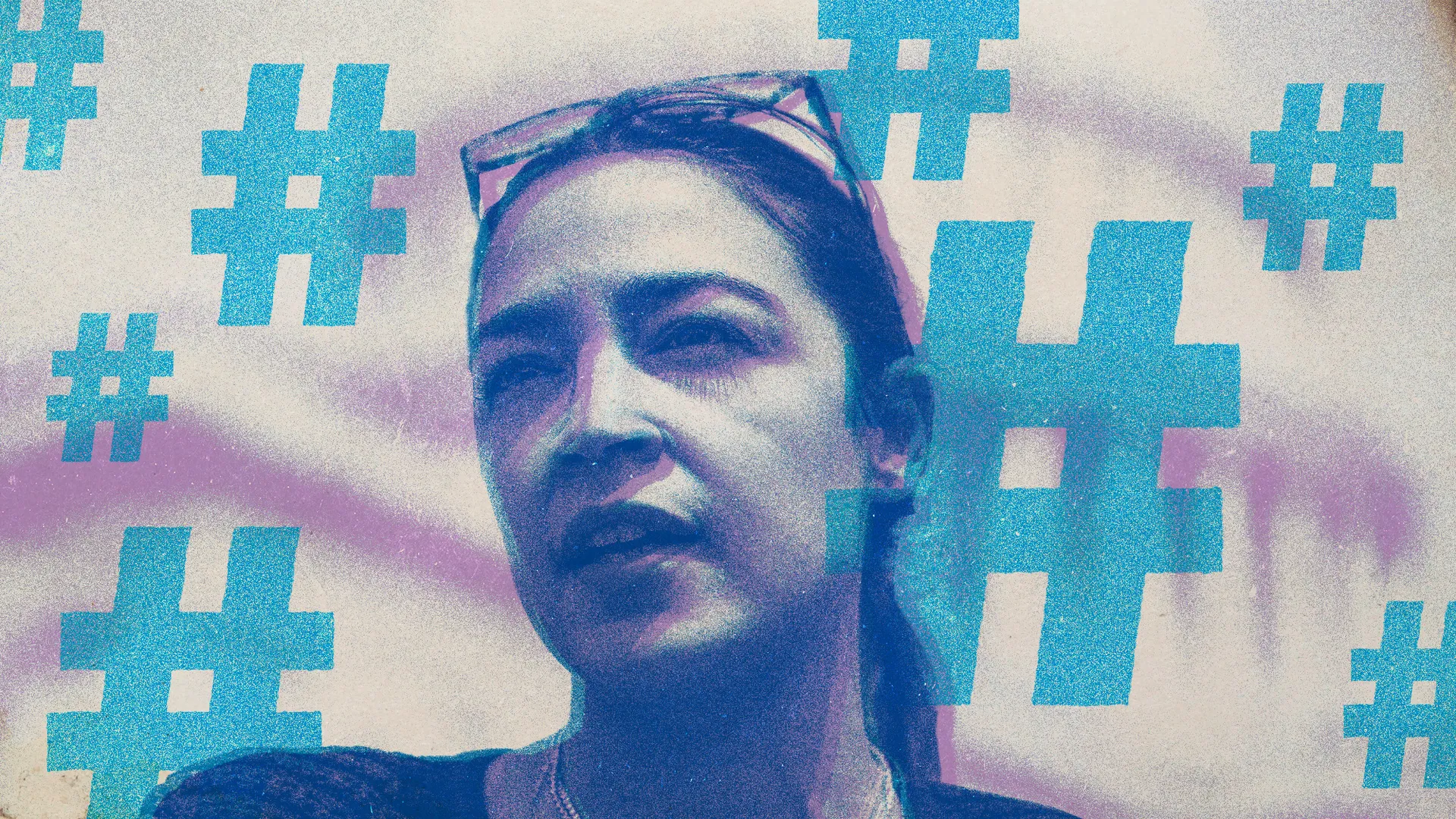
    Six years after the term “woke” peaked in the political lexicon amid the George Floyd protests, some on the left are calling this period of ultra-liberal declarations “Woke 1.0,” suggesting the upcoming midterm elections will pave the way for “Woke 2.0” as a backlash against the Trump administration. But not everyone in the Democratic Party agrees that “woke” should be used as a campaign tool.

    ‘Need a strong progressive movement’
    The main buzz over Woke 1.0 came after Rep. Alexandria Ocasio-Cortez (D-N.Y.) referred to the era disparagingly in an interview earlier this month, saying Woke 1.0 “was crazy.” She also “implied that Woke 1.0 included her own previous statements on abolishing the police,” said Owen Carry at USA Today.

    Ocasio-Cortez’s comments “underscore an important duality,” said Perry Bacon at The New Republic. “We need” both a “strong progressive movement pushing progressive ideas” and “progressive politicians focused largely on popular ideas so that they can win elections.” The early days of “woke” weren’t “just about the changing language or far-fetched proposals” like defunding the police. The “Black Lives Matter and Me Too movements were much needed reckonings in how America dealt with issues of race and gender.”

    The new plan for many Democrats is to “refocus on the present,” said Astead Herndon at Vox. The same “broad ideals” still “matter to Democratic voters”: Minority and women candidates “have kept winning since 2024.”

    ‘How radioactive they have become’
    Some Democrats believe adapting the term “Woke 1.0” will be too damaging politically. Progressive platforms have been “centered on systemic oppression and the radical policies ostensibly needed to correct it,” said Idrees Kahloon at The Atlantic. The fact that Ocasio-Cortez is now “declining to defend, and indeed wishing to move past, these positions shows how radioactive they have become.”

    “Most members of the party’s elite apparently hope that the ideas from the period will simply recede from public consciousness,” said Kahloon. And given a “chance, the left will waste capital by descending into infighting,” said Nesrine Malik at The Guardian, which previously led to the “resurgence of Donald Trump.”


    QUOTE OF THE DAY

    ‘I have been in this game a lot longer than he has. I’ve got a skin on me like an alligator.’

    Ontario Premier Doug Ford at a press conference challenging Trump to “bring it on” as the trade war between the U.S. and Canada escalates. Canada will use “every tool in our toolbox” to fight the tariffs, he added. 


    the explainer

    Pentagon wants colleges to examine foreign institution ties

    The Trump administration has found another way to put pressure on American universities. And this time it’s using the Department of Defense. The Pentagon has ordered a slew of universities to audit their relationships with foreign academic organizations, mostly in China. While some of these universities are pushing back against allegations of wrongdoing, the Pentagon is holding steady.

    What’s the Pentagon asking for?
    The Defense Department is asking for 30 universities to “initiate immediate and comprehensive reviews of their academic, financial and research collaborations with foreign entities of concern,” according to an order released by the agency. The universities have been given until Monday to “complete a comprehensive audit of all identified foreign collaborations.”

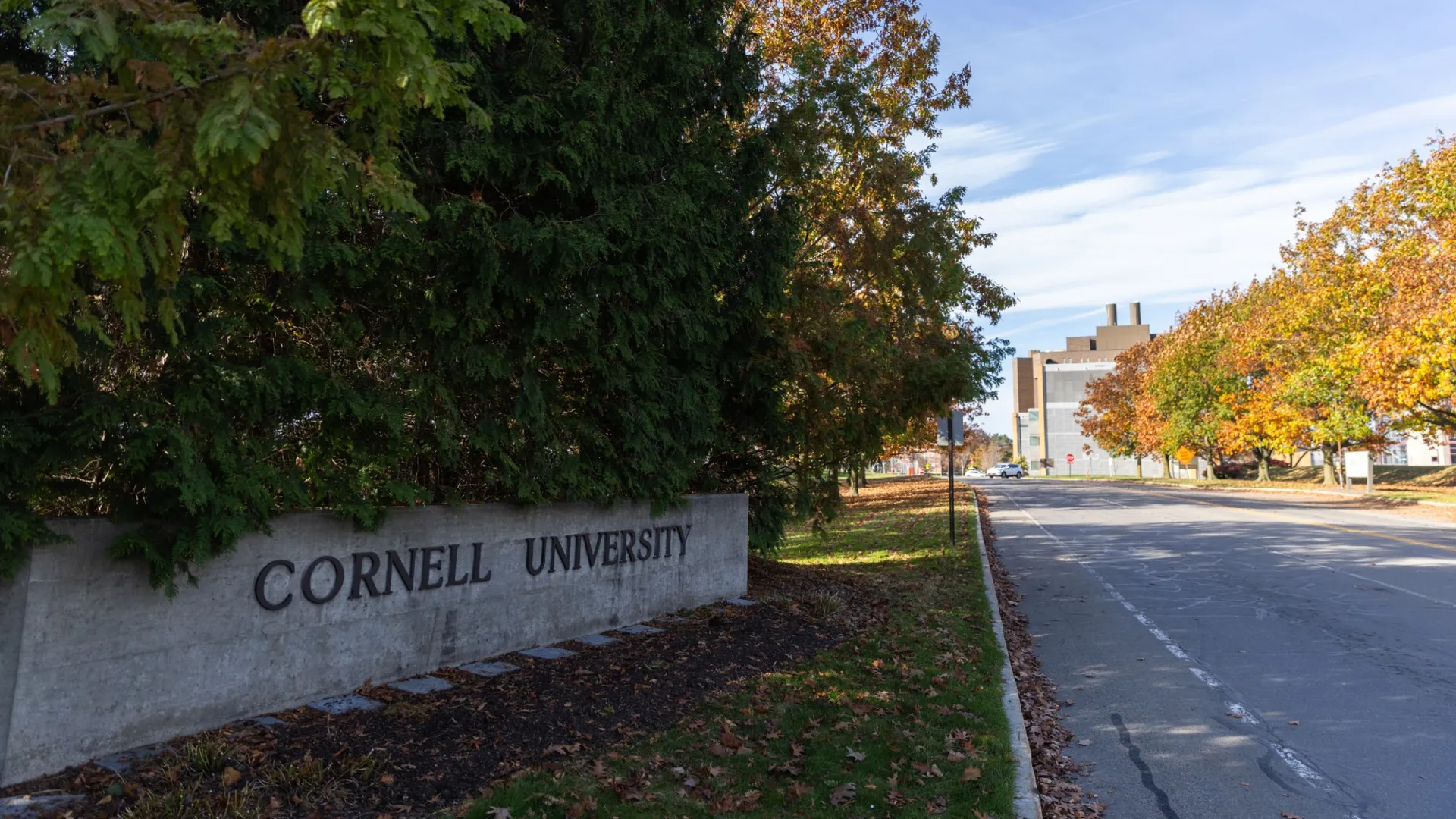
    The Defense Department did not identify which universities it was targeting, but The Guardian later published a full list of the 30 schools. Some of the most prominent include the Ivy League institutions Cornell University and Harvard University. 

    If these universities do not complete these audits, they may not “maintain eligibility for future federal research funding,” said the Pentagon. The order largely targets university research relationships with Chinese institutions in the “latest effort to clamp down on alleged Chinese influence in the U.S., including in higher education,” said Time. 

    Last month, the Pentagon released the list of foreign institutions reportedly tied to U.S. universities. The majority of these, 88 out of 130, are in “mainland China, while the remaining institutions are in Russia and Iran,” said Time. 

    What have the responses been?
    While some support efforts to weed out Chinese influence among American universities, others fear the allegations are unfounded. And China is pushing back against the Pentagon’s assertions. Beijing opposes the “overstretching of the concept of national security and the politicization or instrumentalization of normal scientific, educational and academic exchanges,” said a spokesperson for the Chinese Embassy in Washington, D.C., in a statement.

    Republicans leading the audit charge are standing firm. “Research partnerships and collaboration with Chinese entities linked to the Chinese Communist Party and the Chinese army present undeniable national security risks,” said Rep. John Moolenaar (R-Mich.), the chairman of the House Select Committee on China, in a statement.


    Statistic of the day

    $3.4 million: The amount paid for Argentine soccer legend Diego Maradona’s “Hand of God” ball at auction. It’s “arguably the most significant soccer item that exists,” said Dallas auctioneer Mike Porvenzale to Reuters. Maradona famously kicked the ball past goalkeeper Peter Shilton in Argentina’s 1986 World Cup quarterfinal win over England. 


    in the spotlight

    Break point: why tennis needs to change

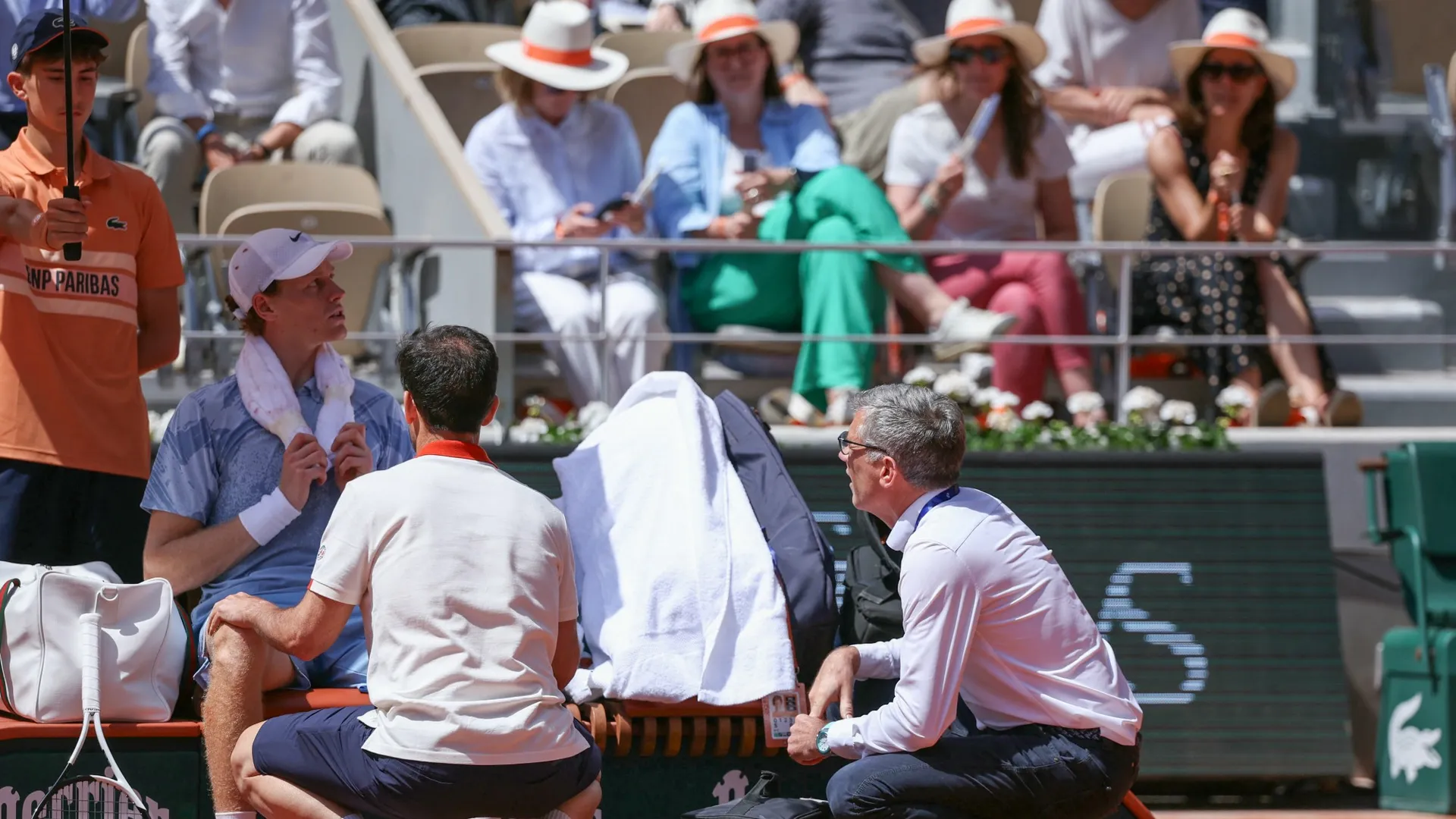
    “It’s pretty worrying,” said British pro Jack Draper to reporters at last month’s Wimbledon about the state of tennis and the “amount of injuries, especially young players,” as he withdrew from the tournament due to injury. The tour and calendar “have to adapt if any of us are gonna achieve some sort of longevity.” He also withdrew from the U.S. Open last week, along with Italy’s Jannik Sinner, ranked world men’s No. 1, and Britain’s Emma Raducanu on the women’s side. Players on the men’s ATP and women’s WTA tours have long complained of the hectic playing schedule and the toll it takes on their bodies, calling for reforms to ease their workload. 

    ‘Regularly missing events’
    It’s “difficult to remember a time when each tournament’s buildup was not punctuated” with withdrawals of big-name players, said The Telegraph. And it’s players’ improved athleticism that’s causing issues. The physicality in tournaments has “evolved exponentially compared with two or three decades ago,” with athletes hitting the ball harder and with better equipment, said El País. And the rules are not adapting to accommodate this.

    Then there’s the punishing tournament calendar. Seven of the nine Masters 1000 events, which are one step below Grand Slams in prestige and traditionally lasting seven days, have “expanded to a 12-day format,” said The Telegraph. Top players’ absences do give opportunities to younger and lower-ranked players, but fans have started to “raise concerns” about their favorites “regularly missing events.” And the ATP Tour has its “own interests at heart,” attempting to “squeeze out every revenue source possible.”

    ‘Takes time’
    Environmental changes are also overlooked, said the Financial Times. “Extreme heat is affecting tennis tournaments globally,” as was particularly apparent in the number of heat-related incidents at the French Open in May, but different organizations follow different rules to address it. Until this year, the decision to suspend ATP matches due to weather conditions was at the “discretion of tournament supervisors.” 

    Like in other sports, change in tennis “takes time,” said The Independent. But unlike other sports, tennis essentially has “seven governing bodies,” with the ATP, the WTA, World Tennis and the four historic Grand Slam events claiming certain jurisdictions. “Getting everyone around the same table is challenging enough,” let alone getting them to agree on reforms to the game.


    Good day 🇨🇳

    … for global expansion. Bilibili, China’s YouTube equivalent, is “courting non-Chinese creators to boost its appeal,” said Semafor. The site relaunched its previously discontinued international app and “quietly disclosed plans to launch an English-language website,” with plans to expand to “key markets around the world,” including “Japan, the U.S. and Europe,” according to job listings and marketing materials sent to creators.


    Bad day 🤫

    … for national history. A claim that China’s 300-year Tang Dynasty, which ruled from A.D. 618 to A.D. 907, never existed has been “spreading among China’s very online population,” said CNN. It started when a history influencer named Qiao Yu used astrological data in a video to “prove” the Tang weren’t real.


    Picture of the day

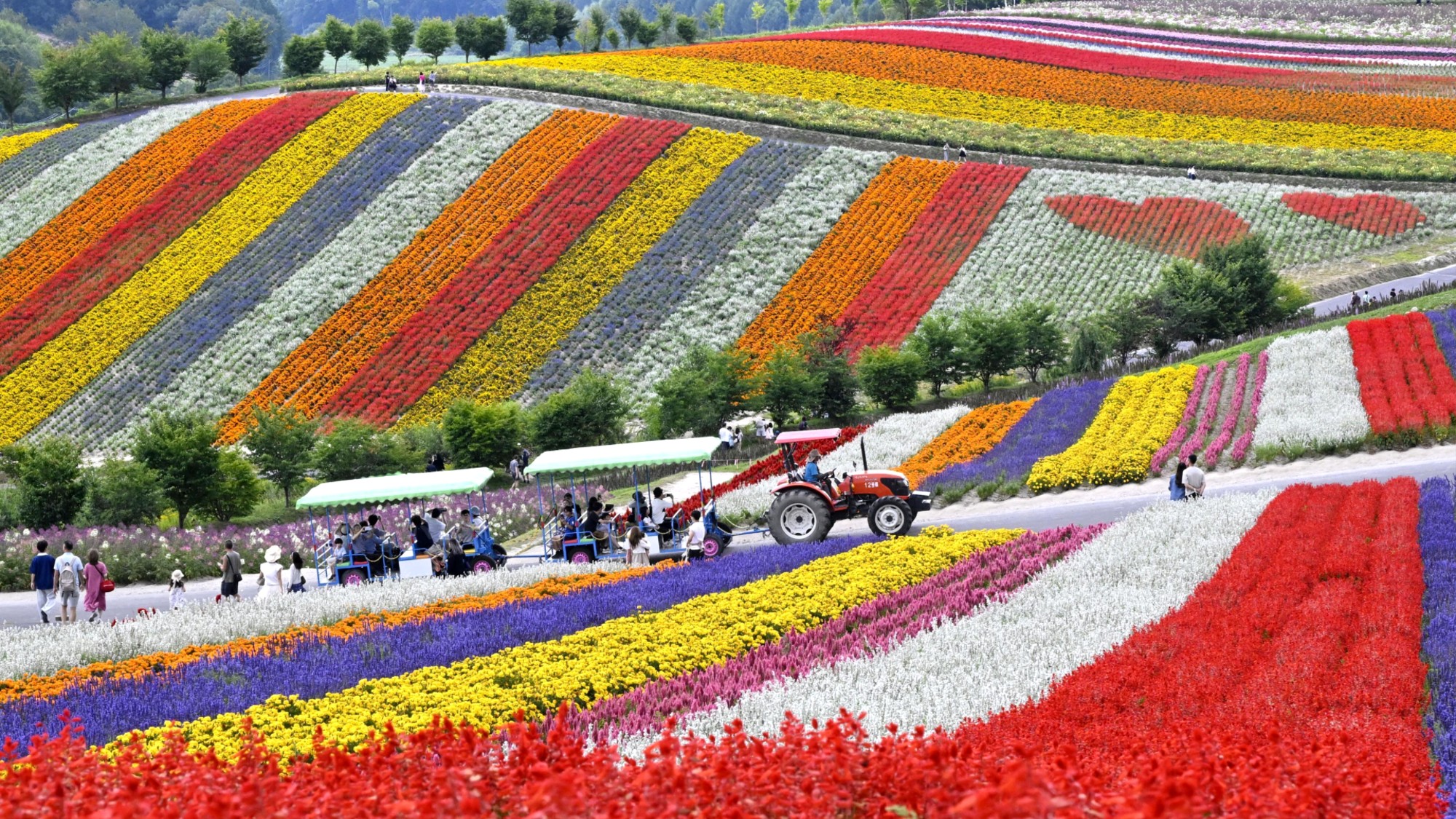
    Rainbow road

    A  tractor-drawn bus takes visitors on a scenic tour through Japan’s Shikisai-no-oka (Hill of Colors) flower gardens. Hundreds of thousands of blooms blanket more than 37 acres of hills at the popular attraction in central Hokkaido. 
    BJ Warnick / Newscom / Alamy Live News


    Puzzles

    Daily sudoku

    Challenge yourself with The Week’s daily sudoku, part of our puzzles section, which also includes guess the number

    Play here


    The Week recommends

    The best Mexican cookbooks of all time

    People in the U.S. eat so much Mexican food in restaurants that you could be fooled into thinking there’s no such thing as Mexican home cooking. You would be wrong. The best Mexican cookbooks reveal a world of lush, inviting, easy recipes that have all the elements you adore.

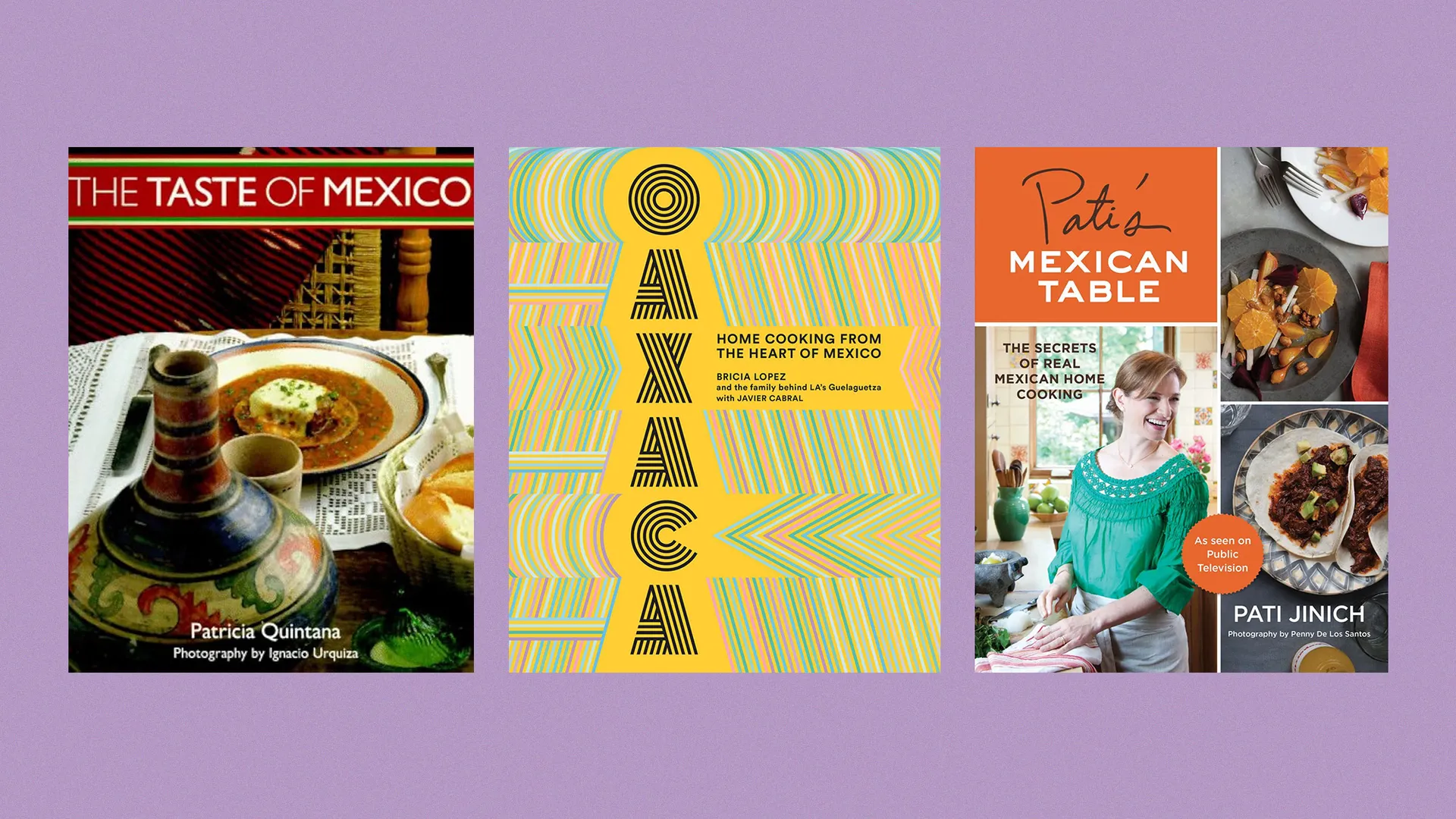
    ‘Oaxaca: Home Cooking from the Heart of Mexico’ 
    Oaxaca, in central Mexico, has some of the finest cuisine in the country, if not the world. It’s the land of many moles, inspired uses of corn, and sparkling seafood on the coast. One of the U.S.’s best trumpet-bearers for Oaxacan cuisine has long been Los Angeles’ family-run restaurant Guelaguetza. In this book, one of the restaurant’s owners, Bricia Lopez, works to “demystify this idea that it takes days to make mole,” she said to the Los Angeles Times. ($45, Abrams)

    ‘The Taste of Mexico’ 
    Published in 1986, this is a “straightforward guide” to the “fundamentals of regional Mexican cooking,” said Saveur. Patricia Quintana, a Mexico City chef and author, introduced American readers to the nuances of good Mexican cooking long before the country’s cuisine took over the U.S. in all its varied forms. ($20, Abrams)

    ‘Yucatán: Recipes from a Culinary Expedition’ 
    A grand microcosm much like its subject, “Yucatán” hovers at nearly 600 pages, telling the diverse food stories of the far southeastern edge of Mexico. The food of the Yucatán peninsula, aside from a few restaurants in the U.S., is not known well north of the border. And author David Sterling aims to change that. ($60, University of Texas Press)

    Read more


    Poll watch

    Nearly two in five Americans (39%) believe it’s very important for a couple sharing a child to be legally wed — up 10 points from 2020, according to a Gallup survey of 1,001 U.S. adults. Slightly less (37%) believe marriage is very important for couples who plan to spend their lives together — similar to 38% in 2020. 


    INSTANT OPINION

    Today’s best commentary

    ‘Two weeks. No power. Gary, Indiana, failed Black citizens.’
    Kofi Mframa at USA Today
    For two weeks, the people of Gary, Indiana, have been “forced to weather the late summer heat without electricity,” says Kofi Mframa. Gary “didn’t just experience a freak weather event.” There were “layers upon layers of systemic failures that left a vulnerable population to fend for themselves.” Marginalized groups “being failed by systems in the wake of a natural disaster is no strange occurrence in America, but as our country’s cracks widen, tragedies like these seem more and more inevitable.”

    ‘In France, long summer breaks mean not just relaxation — but reinvention’
    Elizabeth Svoboda at The Boston Globe
    France’s “most chaotic stretch of summer is the one that most reveals the nation’s commitment to quiet and retreat,” as “vacationers luxuriate for long stretches of time uncluttered by appointments or prior commitments,” says Elizabeth Svoboda. “Monthlong summer breaks, which the French call congés annuels, are as sacrosanct as the Marseillaise national anthem, and their benefits go well beyond relaxation.” Americans “often assume that focus and persistence drive transformation,” but “opening up mental space is just as crucial.”

    ‘Stores are selling Halloween stuff in August. Time has lost all meaning.’
    Dave Schilling at The Guardian
    Even though “I love Halloween, I’m mad because our glorious big-box overlords have declared, via careful inventory selection, that Halloween season has begun,” says Dave Schilling. It “feels like a violation of the natural order, a realignment of one of the few glorious constants left in the world.” At “most, Halloween celebrations should start in late September,” not a “month after Independence Day.” But if the “data says we want Halloween in the heat, then data shall be respected.”


    WORD OF THE DAY

    hyperstition

    A self-fulfilling idea that becomes real through circulation, belief and positive feedback loops. The concept was coined in the 1990s by Warwick University’s Cybernetic Culture Research Unit in the U.K. but has taken on new meaning in the celebrity world. Since reality is “socially constructed,” if enough people say a celebrity is popular, they “will indeed become popular,” said the Financial Times.


    Evening Review was written and edited by Will Barker, Theara Coleman, Nadia Croes, Scott Hocker, Anya Jaremko-Greenwold and Justin Klawans, with illustrations by Julia Wytrazek.

    Image credits, from top: Illustration by Julia Wytrazek / Getty Images; Matt Burkhartt / Getty Images; Alain Jocard / AFP / Getty Images; Stewart, Tabori & Chang Inc / Abrams Books / HarperCollins
     

    Recent editions

    • Morning Report

      Tensions flare at vigil for A66 crash victims

    • Evening Review

      What is the threat to the UK from Russia?

    • Morning Report

      US-Canada talks degenerate into trade war

    VIEW ALL
    TheWeek
    • About Us
    • Contact Future's experts
    • Terms and Conditions
    • Privacy Policy
    • Cookie Policy
    • Advertise With Us
    • FAQ
    Add as a preferred source on Google Add as a preferred source on Google

    The Week UK is part of Future plc, an international media group and leading digital publisher. Visit our corporate site.

    © Future Publishing Limited Quay House, The Ambury, Bath BA1 1UA. All rights reserved. England and Wales company registration number 2008885.