Fiji has declared a national emergency as new cases of HIV surge across the South Pacific island nation. The government is doubling down on preventive measures with the help of the Joint United Nations Programme on HIV/AIDS (UNAIDS), as drug use and taboos around the disease contribute to the outbreak.
Why is there an HIV crisis?
Over the last 15 years, HIV infections have “increased 12-fold” in Fiji, according to recent UNAIDS data, said The Associated Press. As of 2025, 9,000 people live with HIV in a country that has “less than a million people.” This means that about one in every 60 adults has the virus.
An influx of drugs like methamphetamine and cocaine during the Covid-19 pandemic added “fuel on the flame” of a longstanding HIV presence in Fiji, said Eamonn Murphy, the director of regional support teams for UNAIDS, to The New York Times. In Fiji, a dangerous trend called bluetoothing, in which people “inject themselves with the blood of other drug users to get a cheap high,” is also contributing to disease rate spikes.
What is the plan to solve the crisis?
Most concerning is the “number of people who may be living with HIV without knowing it,” said Renata Ram, the Fiji adviser for UNAIDS, to CNN. Only about 39% of Fijians living with HIV know their status, and less than a quarter (22%) are on treatment.
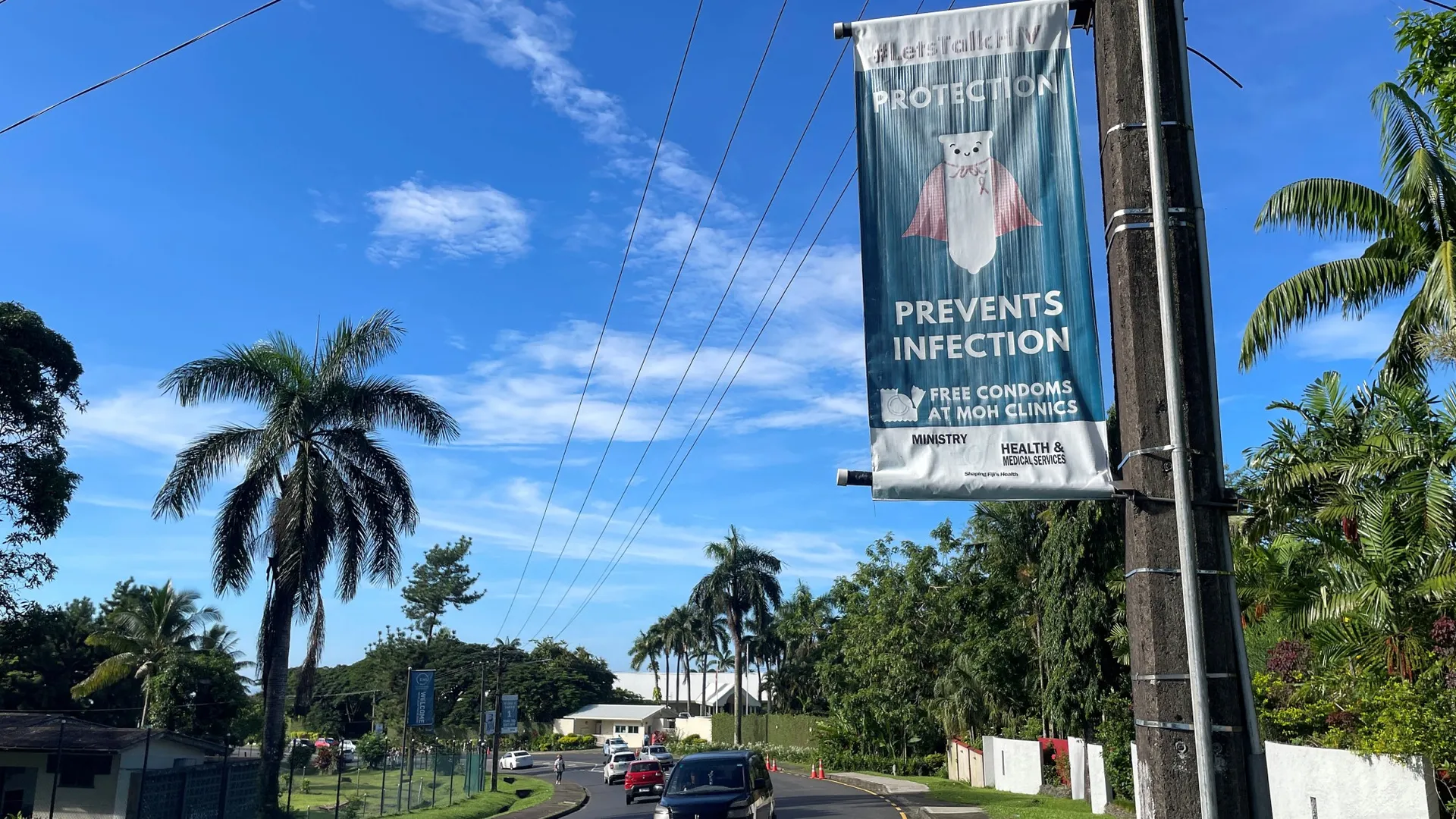
HIV is “not only a health issue,” said Joeli Colati, the executive director of Fiji Network Plus, to CNN. It’s also connected to “stigma, poverty, confidentiality and fear.” Limited testing, low condom use, and shame are often cited as factors contributing to infection. And there are many reasons why people might be hesitant to seek treatment. Fiji is a “deeply religious society” in which “premarital or casual sex is generally considered taboo,” said the outlet.
Fiji’s government has “ramped up testing and treatment efforts” since January 2025, said the Times. But an “outbreak-level response is no longer sufficient,” said Fiji Health Minister Atonio Lalabalavu in a video statement. Moving forward, Fiji has pledged “expanded access to free testing, prevention services and treatment,” said the outlet. |