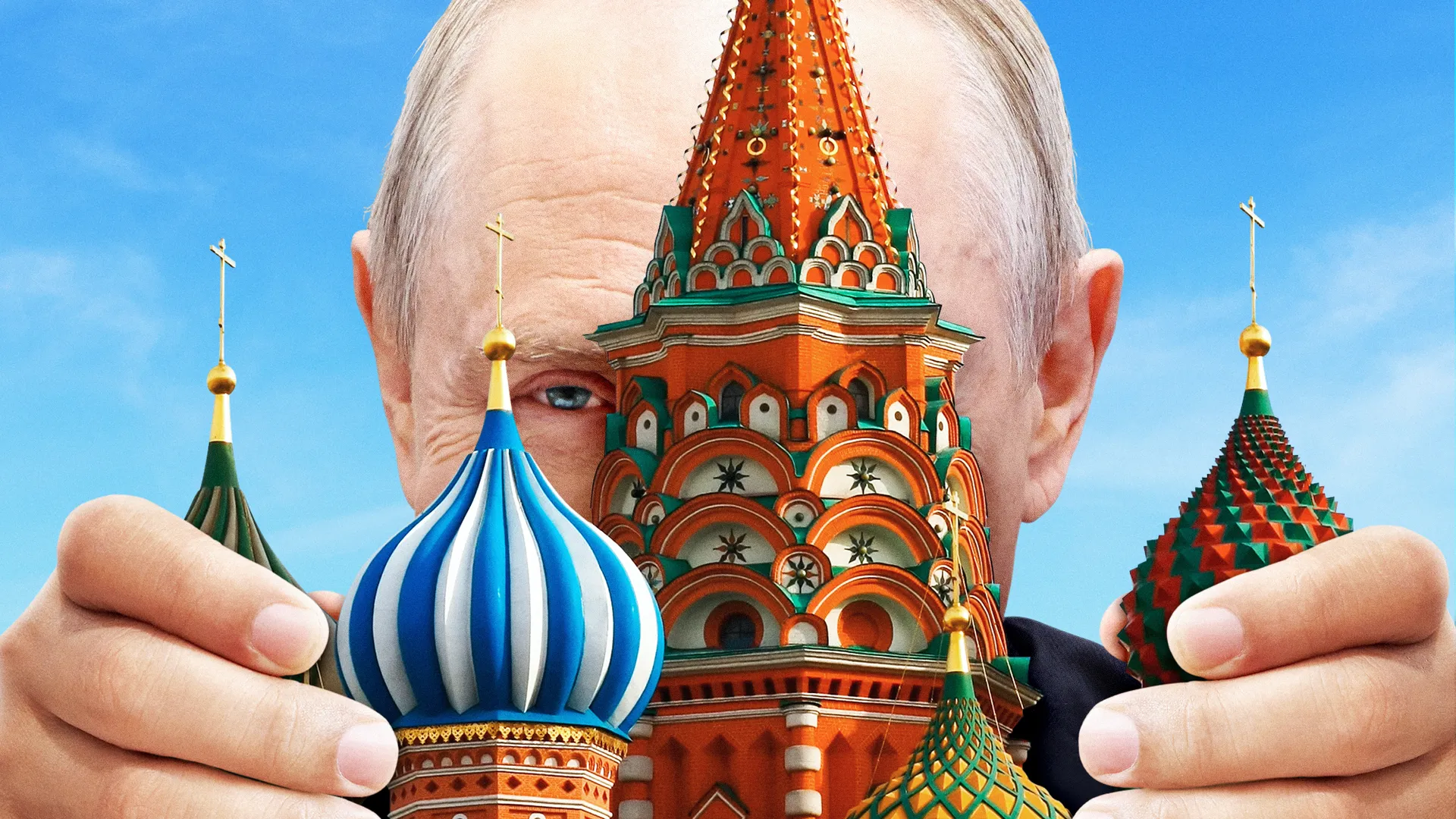
Russian voters joke that, if there’s a “special military operation” in Ukraine, there’s now a “special electoral operation” for their parliament, said The Economist. Polls open for the Duma ballot on 18 September – the first parliamentary election since Russia’s 2022 full-scale invasion of Ukraine – and, despite ever greater public opposition to the war, Vladimir Putin’s grasp on power is unlikely to be shaken.
But battlefield “bodies are piling up” and “smoke is billowing” from oil refineries across Russia hit by Ukrainian drone strikes. The failing Russian economy and continuing fuel shortages are weighing more heavily on the population and, although this election’s outcome is all but certain, the people’s “tacit consent is crumbling”. The educated and politically conscious, who always voted in the past “no longer see much point in the charade”.
“The system of power in Russia is often referred to as ‘managed democracy’”, where “the Kremlin does the managing”, said the BBC’s Russia editor, Steve Rosenberg. Critics dismiss the elections as “neither free nor fair” but, frankly, the Kremlin “doesn’t care what the critics say”. Does this mean there will be “no surprises”? “Far from it.” We’ve already seen a TV debate with “six empty lecterns”.
The Week
Escape your echo chamber. Get the facts behind the news, plus analysis from multiple perspectives.
SUBSCRIBE & SAVE
Sign up for The Week's Free Newsletters
Join more than 350,000 subscribers and keep yourself informed with a selection of The Week’s most interesting, enlightening and entertaining stories - plus daily puzzles.
Join more than 350,000 subscribers and keep yourself informed with a selection of The Week’s most interesting, enlightening and entertaining stories - plus daily puzzles.
Latest Videos FromThe Week US
The election of 450 deputies to Russia’s lower legislative house “gives the impression of some diversity”, with communists, nationalists and “even some self-described liberals” on the ballot, said Brawley Benson on Foreign Policy. “In reality, scope for disagreement is vanishingly small.” United Russia – Putin’s party – holds 70% of the seats and there’s “little tolerance for genuine opposition”. The other Duma deputies are seen as “systemic opposition”, or parties that partially differ in their priorities, but “broadly support” Putin.
“United Russia’s popularity has been hovering around 32% in public opinion polls,” said political science professor Regina Smyth on The Conversation. That’s the lowest percentage since the invasion of Ukraine, and “even then, the number is likely inflated by respondents’ fear of revealing their opposition”. But the Kremlin has long deployed an “arsenal of tools” to retain its grip on power. Gerrymandering, “significant” levels of electoral fraud and, this time round, the banning of eight out of 19 political parties have, in effect, “eliminated non-partisan organised opposition”. The election is not about who wins but what could be telling is seeing how heavily the Kremlin needs to place “its thumb on the scale to maintain its party’s two-thirds majority”.
“Engineering” the outcome too tightly is “not without a risk for the ruling regime”, said The Guardian’s editorial board. “Too blatant” an election steal can be “a sign of weakness”. Already last month, Russia’s supreme court blocked the “old and marginal liberal party”, Yabloko, from participating in the vote. It does not “pose a serious challenge to the regime” but it is opposed to the war in Ukraine. The case for banning it was “spurious to the point of absurdity”. Putin wants to look as if he is well supported but “the harder the Kremlin is seen to work at constructing electoral proof of that support, the less confident it looks”.
What next?
While there may be “little reason to care” about this “snoozefest” election and its “foregone conclusion”, many Russians “are worried” about what might follow, said The New York Times’ Moscow-based correspondent, Valerie Hopkins.
“Rumours of a large, forced mobilisation are rampant”, as the military “burns through” troops in Ukraine. And, for a country that is a major oil producer, it “has found itself in the unusual position of running short of fuel”. Nearly 60% of Russians think the “people around them are experiencing anxiety”, according to a July poll from the state-affiliated Public Opinion Foundation. That’s “a four-year high”. And the state-owned Sberbank reported Russians withdrawing more money from banks this summer “than in the previous six years”.
Most significantly, the Kremlin public relations machine has been forced to switch tack. Picking up on the fact that many people are “struggling and scared”, it has abandoned its old “business as usual” message for a call “to rally around President Vladimir V. Putin and his war”.