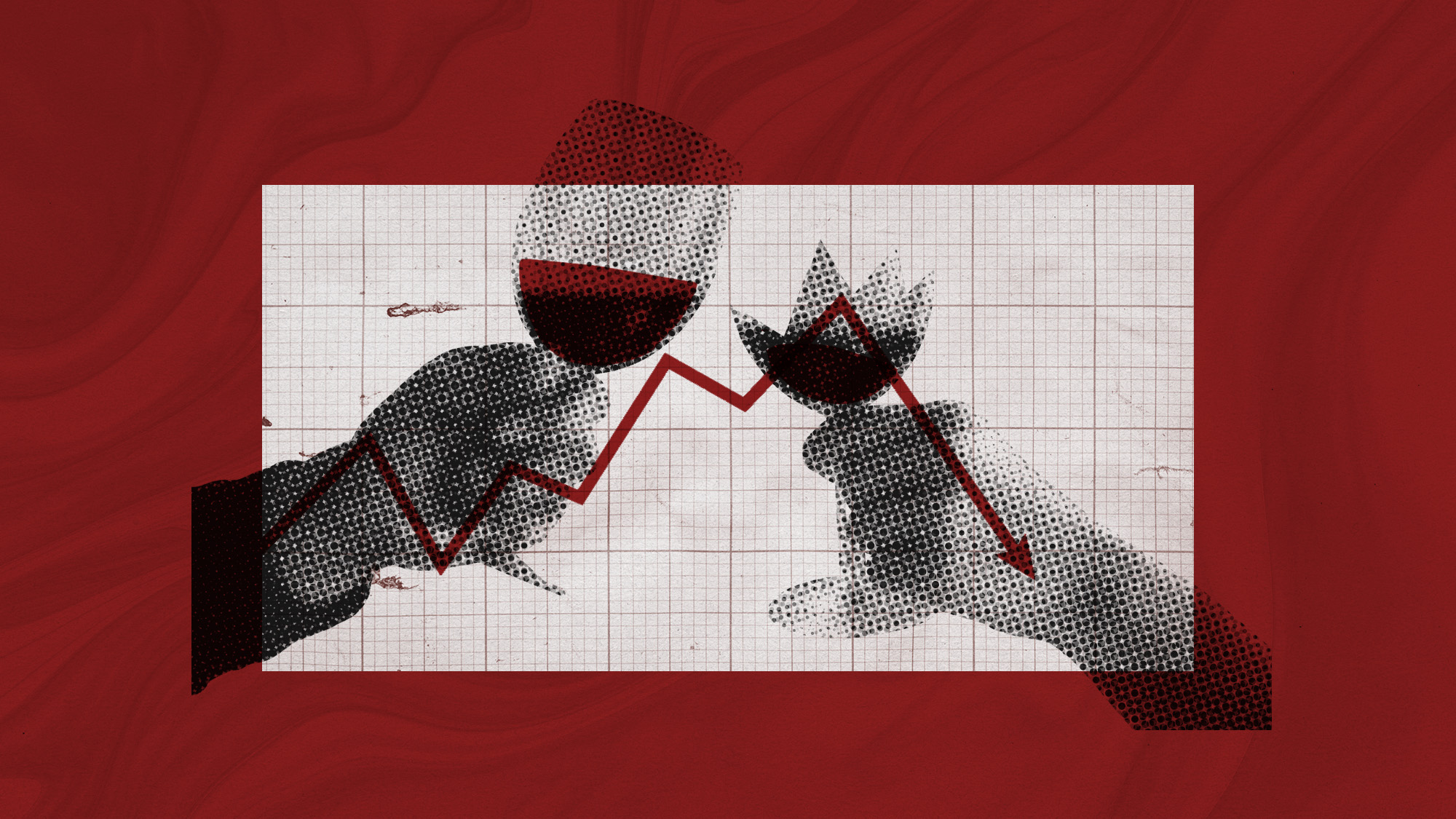
Young people are often making healthier lifestyle choices and have grown wary of alcohol's detrimental effects. According to 2023 Nielsen data, "45% of Gen Z consumers (21 and up) say they've never consumed alcohol," said The San Francisco Chronicle. A separate Gallup poll revealed that "as of 2023, 52% of people between the ages of 21 and 34 believed moderate drinking is bad for your health." They are not incorrect: In a damning report last year, the World Health Organization announced that no level of alcohol consumption is safe.
One unsurprising reason younger people are avoiding wine is the cost. Good wine is generally more expensive than beer or spirits, and millennials notably have less disposable income, less job security and more student loan debt than their parents did.
The wine industry's arguable inaccessibility is another hurdle, as it has "pigeonholed itself into being something for the elite," Brandon Hofherr, the marketing director for St. James Winery, told Forbes. Young consumers have more of a vested interest in social justice and environmental issues, too. But the wine industry has been "slow to adapt," said wine critic Eric Asimov in The New York Times.Â
As younger consumers lose interest and baby boomers age out of drinking, the wine industry is suffering from oversupply. These changes are good news for individual oenophiles: At the moment, there is a wide variety of choices at low prices. "The industry's woes are wine lovers' big win," said food and wine critic John Mariani at Forbes. |