What happened
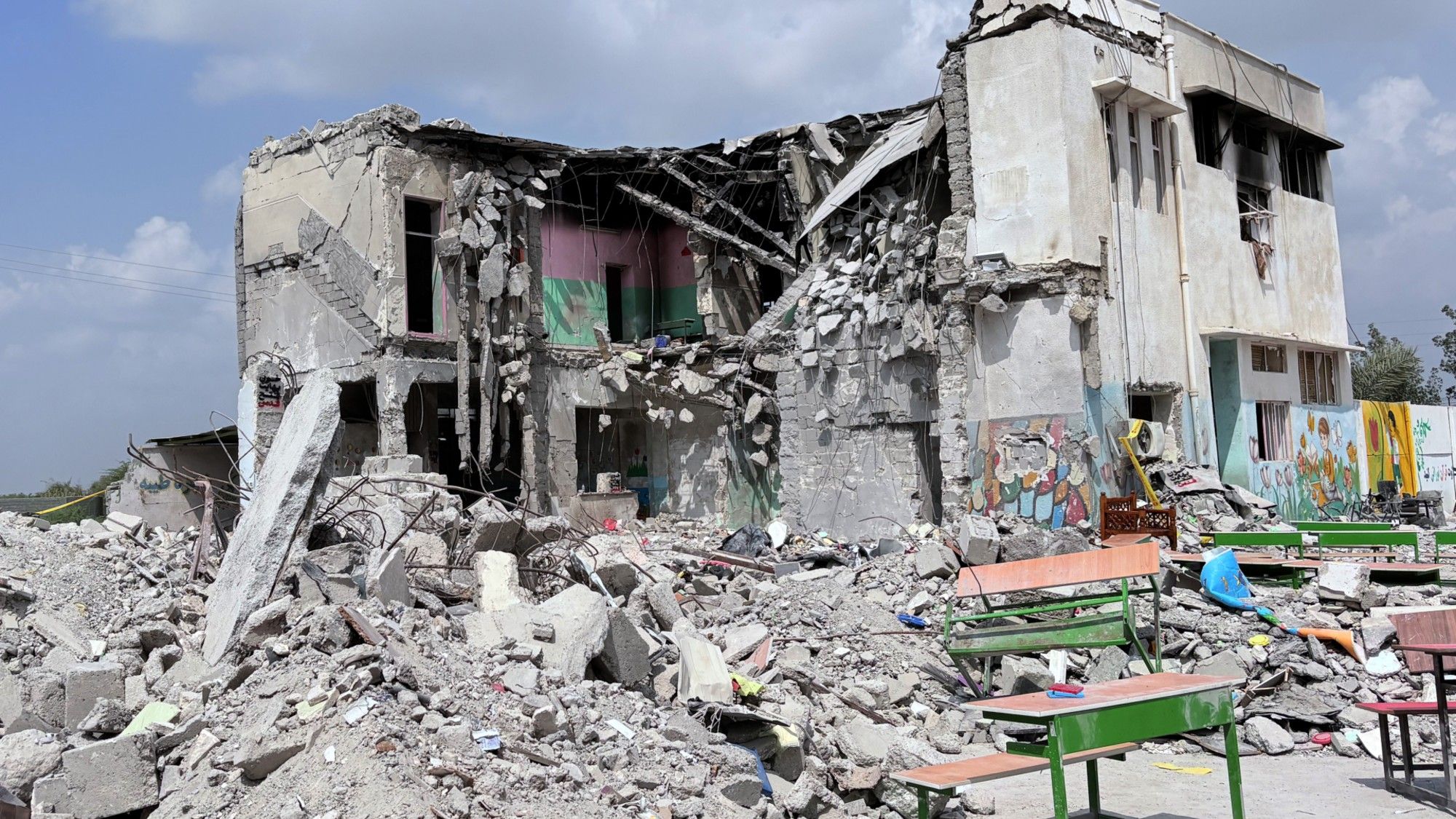
A preliminary Pentagon investigation has determined that the U.S. was responsible for the deadly Tomahawk missile strike that destroyed a school in the opening hours of the Iran war, killing at least 175 people, most of them children, The New York Times and other news organizations reported yesterday. The Feb. 28 strike on Shajarah Tayyebeh Elementary School in Minab was provisionally found to be the “result of a targeting mistake” by U.S. Central Command, which used “outdated data provided by the Defense Intelligence Agency,” the Times said. It is “sure to be recorded as one of the most devastating single military errors in recent decades.”
Who said what
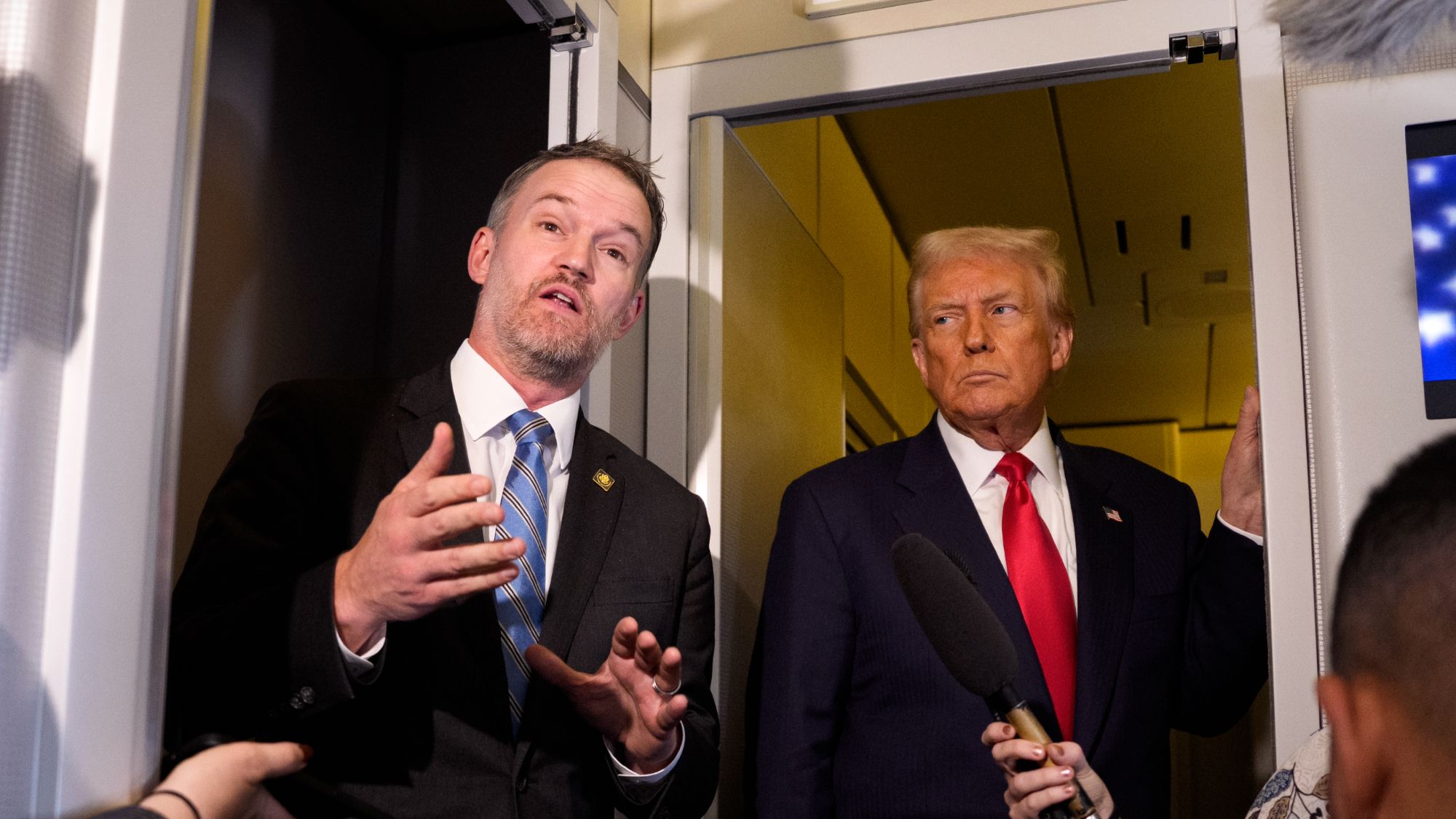
The findings are preliminary but “consistent with what had become increasingly obvious as new evidence continued to emerge,” CNN said: “The U.S. military conducted the strike.” President Donald Trump initially blamed Iran for the attack, and his “attempts to sidestep the blame” have “already complicated the inquiry,” the Times said. Asked earlier this week why nobody in his administration was supporting his claim that Iran was culpable, Trump said, “Because I just don’t know enough about it.”
It is not clear why the school “was on a U.S. target list,” The Washington Post said, or who signed off on the strike “just as parents were hurrying to the two-story schoolhouse to take their kids home to safety.” But until 2015, the school grounds were part of a neighboring Iranian naval base. Publicly available satellite images showed playgrounds and other civilian markers. The school was also “clearly labeled as such in online maps,” The Associated Press said, “and has an easily-accessible website full of information about students, teachers and administrators.”
Congress “created a special Pentagon office to prevent the accidental targeting of civilians” in 2022, but Defense Secretary Pete Hegseth “dramatically” downgraded it soon after taking office, NPR said. The staff and budget cuts meant Central Command “had only one staffer assigned to civilian casualty mitigation operations” when the war started.
What next?
The investigation is “expected to take months and will include interviews with all those involved, from planners and commanders to those who carried out the strike,” NPR said. Investigators “do not yet fully understand” how the DIA’s “outdated data was sent to Central Command,” the Times said, or why it wasn’t verified multiple times before the school was targeted. |