As the U.S. and Iran continue to trade blows in the Middle East, the consequences of the intense bombings are threatening Iran’s already “fragile biodiversity,” said The Associated Press. While most of the attention has been on the urban and economic consequences of the war, said Iranian news agency Wana, the country’s animal species are “less visible victims.”
Historically, Iran has had a “deep connection” with its wildlife and is one of the first countries to form an environmental protection agency, said the AP. But “decades of mismanagement and yearslong drought” have strained conservationist work.
The onset of war this year has seen U.S. and Israeli strikes on remote military facilities in deserts and mountain ranges cause “habitat degradation,” leading to “water and land pollution, soil contamination” and “destruction of land cover,” said U.S.-based Iranian wildlife expert Jamshid Parchizadeh to The Associated Press. And an animal population driven away from its habitat, like mountain-dwelling Persian leopards and brown bears, “forever leaves that area from fear.”
Land ecosystems are not the only ones at risk. The “highly contested” Strait of Hormuz is home to the “most diverse” coral population in the region, said CNN. And Greenpeace researchers “regularly detect oil slicks” in the water following attacks on tankers passing through the strait.
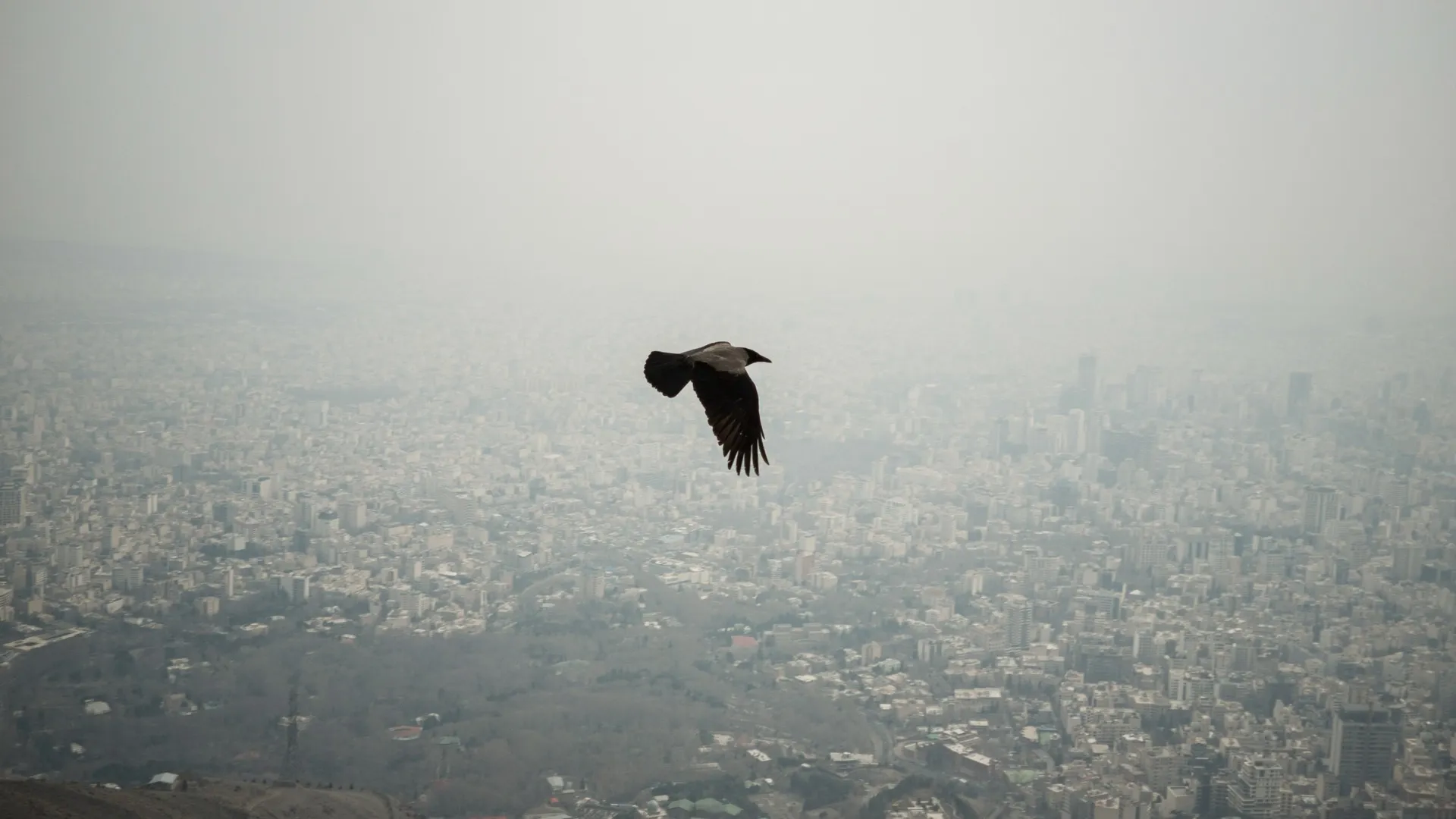
The war has caused "serious environmental degradation in a country reeling from a range of climate-related crises, water stress and air-quality issues,” and Iran’s “fragile” ecosystems now face an uncertain future, said the nonprofit Truthout. But when it comes to “post-conflict reconstruction,” environmental rehabilitation “often doesn’t take priority.” |