Why Zelensky reportedly asked Biden to hold off on sanctioning a Russian oligarch
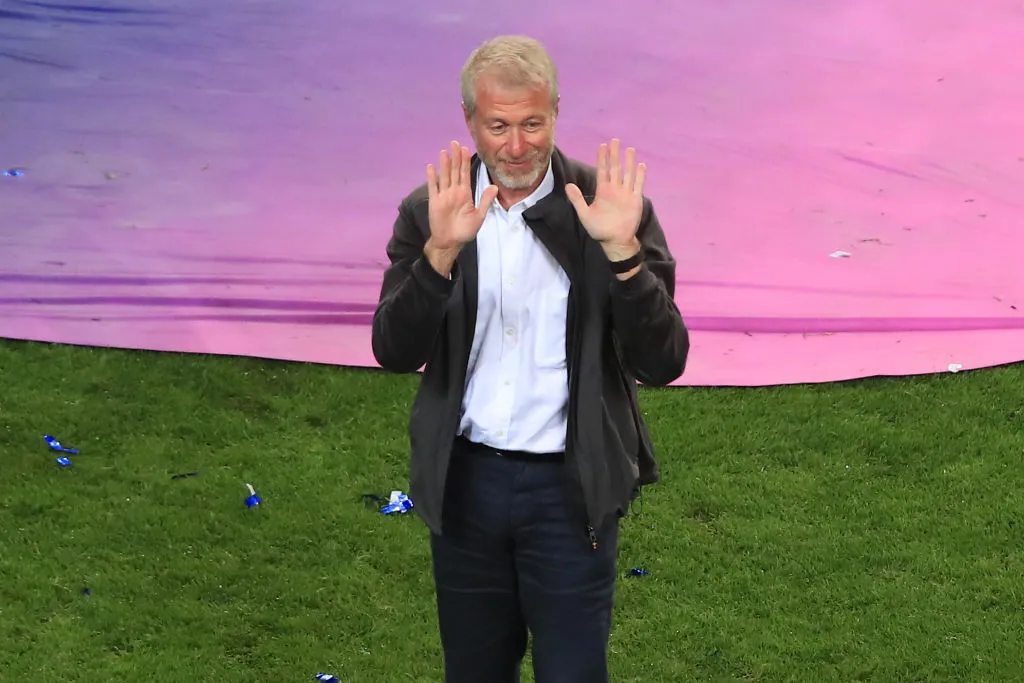
A new report from The Wall Street Journal alleges Ukrainian President Volodymyr Zelensky requested President Biden hold off on levying sanctions on Russian oligarch Roman Abramovich in case he proves an important "go-between" in peace negotiations between Kyiv and Moscow.
Apparently, the U.S. Treasury Department had, earlier this month, drafted a set of sanctions to punish Abramovich, also the owner of the U.K.'s Chelsea Football Club. But when it was time to announce the measures, "which had been designed to go out in tandem with sanctions from the U.K. and European Union," the Treasury was asked to refrain for now, the Journal writes.
As for why, well, apparently during a consultation between the two world leaders, Zelensky himself asked Biden to wait, in the event Abramovich is able to help Ukraine's cause.
The Week
Escape your echo chamber. Get the facts behind the news, plus analysis from multiple perspectives.
Sign up for The Week's Free Newsletters
From our morning news briefing to a weekly Good News Newsletter, get the best of The Week delivered directly to your inbox.
The White House and Zelensky's office declined to comment.
"For the negotiations, and in the interest of them succeeding, it is not helpful commenting on the process nor on Mr. Abramovich's involvement," added a spokesperson for the oligarch, adding that "he has been doing all he can to support efforts aimed at restoring peace as soon as possible."
Multiple U.K. and European officials said they were unaware of such a request from Zelensky, with several Ukrainian and Western government officials "skeptical about how deeply Mr. Abramovich is involved in the peace talks," the Journal writes.
The delay is certainly "an unexpected twist" in the U.S. sanctions strategy.
A free daily email with the biggest news stories of the day – and the best features from TheWeek.com
In the past, Abramovich has often denied having any sort of close relationship with Russian President Vladimir Putin. Read more at The Wall Street Journal.
Brigid Kennedy worked at The Week from 2021 to 2023 as a staff writer, junior editor and then story editor, with an interest in U.S. politics, the economy and the music industry.
-
Critics’ choice: The year’s top 10 moviesFeature ‘One Battle After Another’ and ‘It Was Just an Accident’ stand out
-
The small Caribbean island courting crypto billionsUnder the Radar Crypto mogul Olivier Janssens plans to create a libertarian utopia on Nevis
-
Political cartoons for December 21Cartoons Sunday’s political cartoons include Christmas movies, AI sermons, and more
-
US offers Ukraine NATO-like security pact, with caveatsSpeed Read The Trump administration has offered Ukraine security guarantees similar to those it would receive from NATO
-
Hong Kong court convicts democracy advocate LaiSpeed Read Former Hong Kong media mogul Jimmy Lai was convicted in a landmark national security trial
-
Australia weighs new gun laws after antisemitic attackSpeed Read A father and son opened fire on Jewish families at Sydney’s Bondi Beach, killing at least 15
-
How Bulgaria’s government fell amid mass protestsThe Explainer The country’s prime minister resigned as part of the fallout
-
Europe sets 2027 deadline to wean itself from Russian gasIN THE SPOTLIGHT As negotiators attempt to end Russia’s yearslong Ukraine invasion, lawmakers across the EU agree to uncouple gas consumption from Moscow’s petrochemical infrastructure
-
Benin thwarts coup attemptSpeed Read President Patrice Talon condemned an attempted coup that was foiled by the West African country’s army
-
Is Europe finally taking the war to Russia?Today's Big Question As Moscow’s drone buzzes and cyberattacks increase, European leaders are taking a more openly aggressive stance
-
Pushing for peace: is Trump appeasing Moscow?In Depth European leaders succeeded in bringing themselves in from the cold and softening Moscow’s terms, but Kyiv still faces an unenviable choice