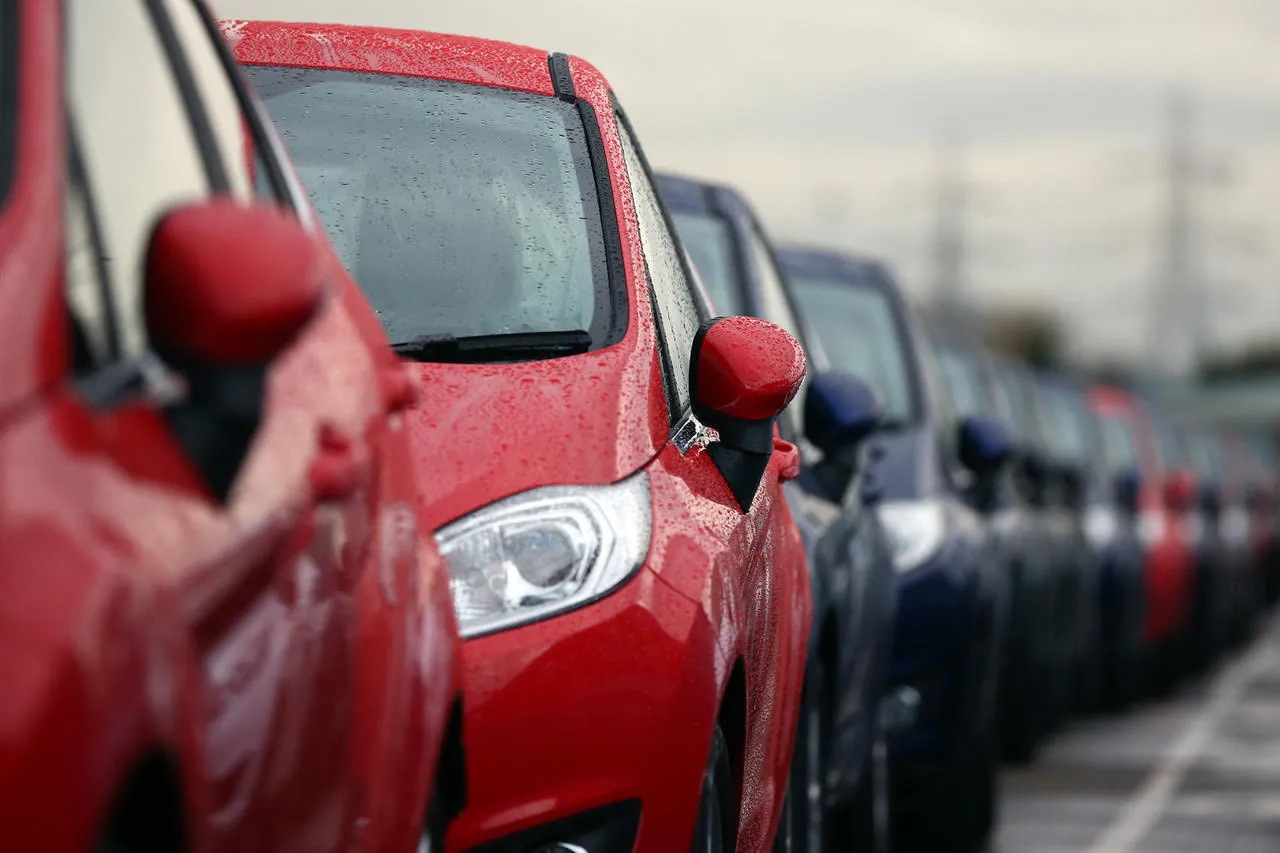
New car registrations have dropped for the first time in six years following a sharp decline in diesel vehicle sales.
Figures released by the Society of Motor Manufacturers & Traders (SMMT) reveal there were 2.5 million new cars registered last year, the lowest number of vehicle sales since 2011.
The figure shows the new car market has shrunk by 5.7% over the past 12 months, says BBC News. Diesel sales have fallen by 17.1% “as higher taxes and pollution fears hit demand.”
The Week
Escape your echo chamber. Get the facts behind the news, plus analysis from multiple perspectives.
SUBSCRIBE & SAVE
Sign up for The Week's Free Newsletters
Join more than 350,000 subscribers and keep yourself informed with a selection of The Week’s most interesting, enlightening and entertaining stories - plus daily puzzles.
Join more than 350,000 subscribers and keep yourself informed with a selection of The Week’s most interesting, enlightening and entertaining stories - plus daily puzzles.
Latest Videos FromThe Week US
December was the worst month for diesel sales, Auto Express reports, as the market fell by 31% compared to the same period in 2016.
Meanwhile, sales for petrol-powered cars increased by 2.7% last year, the magazine adds. This led to average CO2 levels rising for the first time since records were published two decades ago.
“Confusing anti-diesel messages have caused many to hesitate before buying a new low emission diesel car,” says SMMT’s chief executive Mike Hawes.
“Keeping older vehicles on the road will not only mean higher running costs but will hold back progress towards our environmental goals”, he adds.
Despite the drop in sales of diesel cars and the rise in average CO2 levels, the SMMT figures show that new registrations of cars powered by alternative fuels, including petrol and hybrids, grew by 34.8% last year to nearly 120,000.
Tony Juniper, an environmental campaigner, told the BBC that the increase in electric and hybrid sales was “defying predictions that were being made five or ten years ago”
He says this is partly due to the rising public awareness of pollution and climate change.