Sign up to get Today’s Best Articles in your inbox
Join 350,000+ subscribers and keep yourself informed with a selection of
The Week’s most interesting, enlightening and entertaining stories - plus daily puzzles.
You are now subscribed
Your newsletter sign-up was successful
Want to add more newsletters?
An account already exists for this email address, please log in.
Natural disasters can strike nearly without warning. Earthquakes, wildfires and tornadoes do not care that you are on vacation or have big travel plans. These unforeseen events bring up a lot of questions for travelers, including whether it is safe to visit the affected area and the best way to help a devastated community.This is what to know if your trip gets interrupted or potentially postponed by a natural disaster.
What happens if you get caught in a natural disaster while traveling?
The odds are you will never experience a vacation that includes dealing with a major earthquake, wildfire or volcanic eruption. Still, one consequence of climate change is that "disaster patterns are shifting" and "occurring in unprecedented locations," Vox said, so even if you visit a place that is "historically mellow, at least in terms of climate," this does not "guarantee a smooth ride." You might avoid Tornado Alley in the central U.S. during peak tornado season, but the boundaries are "traveling eastward, spreading concentrated storms to new places."
Should you find yourself in a disaster, stay informed and heed warnings and evacuation orders. If it is a weather-related event in the U.S., download the FEMA app, which gives real-time National Weather Service updates, emergency alerts and shelter information. When abroad, contact the closest U.S. embassy or consulate for help. You can sign up for the Smart Traveler Enrollment Program (STEP) prior to leaving on international trips. If an emergency takes place at your destination, STEP will send emails with updates and instructions on next steps.
The Week
Escape your echo chamber. Get the facts behind the news, plus analysis from multiple perspectives.
Join more than 350,000 subscribers and keep yourself informed with a selection of The Week’s most interesting, enlightening and entertaining stories - plus daily puzzles.
Join more than 350,000 subscribers and keep yourself informed with a selection of The Week’s most interesting, enlightening and entertaining stories - plus daily puzzles.
Keep tabs on everyone in your group and "always make a point of moving as a unit," Thrillist said. You do not want to get separated and add another level of stress. Make copies of passports and IDs and make sure everyone is holding onto their own documents, along with wallets and medications. Designate a point person back home you can call to keep them informed on where you are and what is happening, and let them disseminate these updates to other family and friends.
What do you do if you have a trip planned to an affected area?
You do not want to get in the way of recovery efforts or be a burden on the infrastructure, but some communities that have been hit hard by natural disasters, like Lahaina in Maui, depend on tourism.
Call the hotel you booked, and ask for their on-the-ground assessment and whether you should cancel your stay. You can also check with "local guides or other connections" to "advise on what the situation is like," said Outside. If you have excursions organized with a reputable tour operator, they will "track safety information constantly" and share current advisories and any concerns they may have.
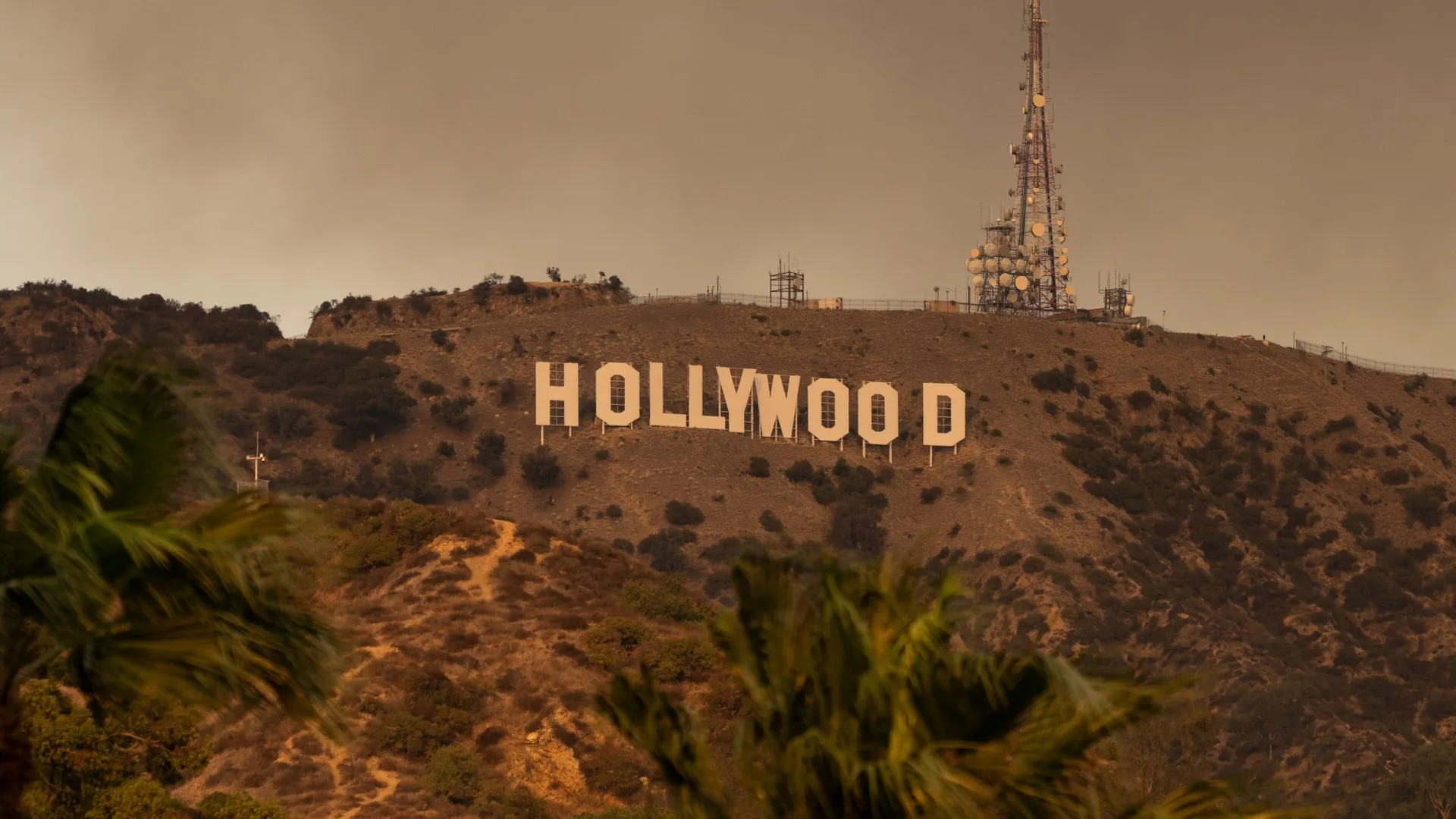
Also, focus on the precise area you will be visiting. California is a big state, and the recent Los Angeles wildfires did not affect San Francisco, which is hundreds of miles north, or San Diego to the south. Visitors were also welcome in the "more than 98% of Los Angeles County" that was "not in a burn area," said Visit California President and CEO Caroline Beteta in a statement.
Sign up to get Today’s Best Articles in your inbox
A free daily email with the day’s biggest news and analysis – and the best features from TheWeek.com
Is it ethical to visit an area affected by a natural disaster?
It is one thing to visit a place that was hit by a natural disaster, and another to travel there specifically to see the destruction. Be respectful by avoiding disaster zones and refraining from taking photos of destroyed homes or property. While at businesses, "be patient," Condé Nast Traveler said, as they might be operating with "limited staff or reduced hours." Eat at locally owned establishments, "tip generously" and "stay at hotels that assisted evacuees." You can also look for volunteer opportunities, like distributing supplies or preparing meals.
Does travel insurance cover trips canceled because of natural disasters?
There are comprehensive travel insurance policies that cover natural disasters, but these must be purchased before a storm or other potentially destructive weather event is known. In the case of a hurricane, this would be before it gets a name and travel alerts are issued. Because there are so many different policies on the market, it is "crucial" to read the fine print and "ensure it covers specific needs," Robert Gallagher, president of the U.S. Travel Insurance Association, said to The Seattle Times.
Catherine Garcia has worked as a senior writer at The Week since 2014. Her writing and reporting have appeared in Entertainment Weekly, The New York Times, Wirecutter, NBC News and "The Book of Jezebel," among others. She's a graduate of the University of Redlands and the Columbia University Graduate School of Journalism.