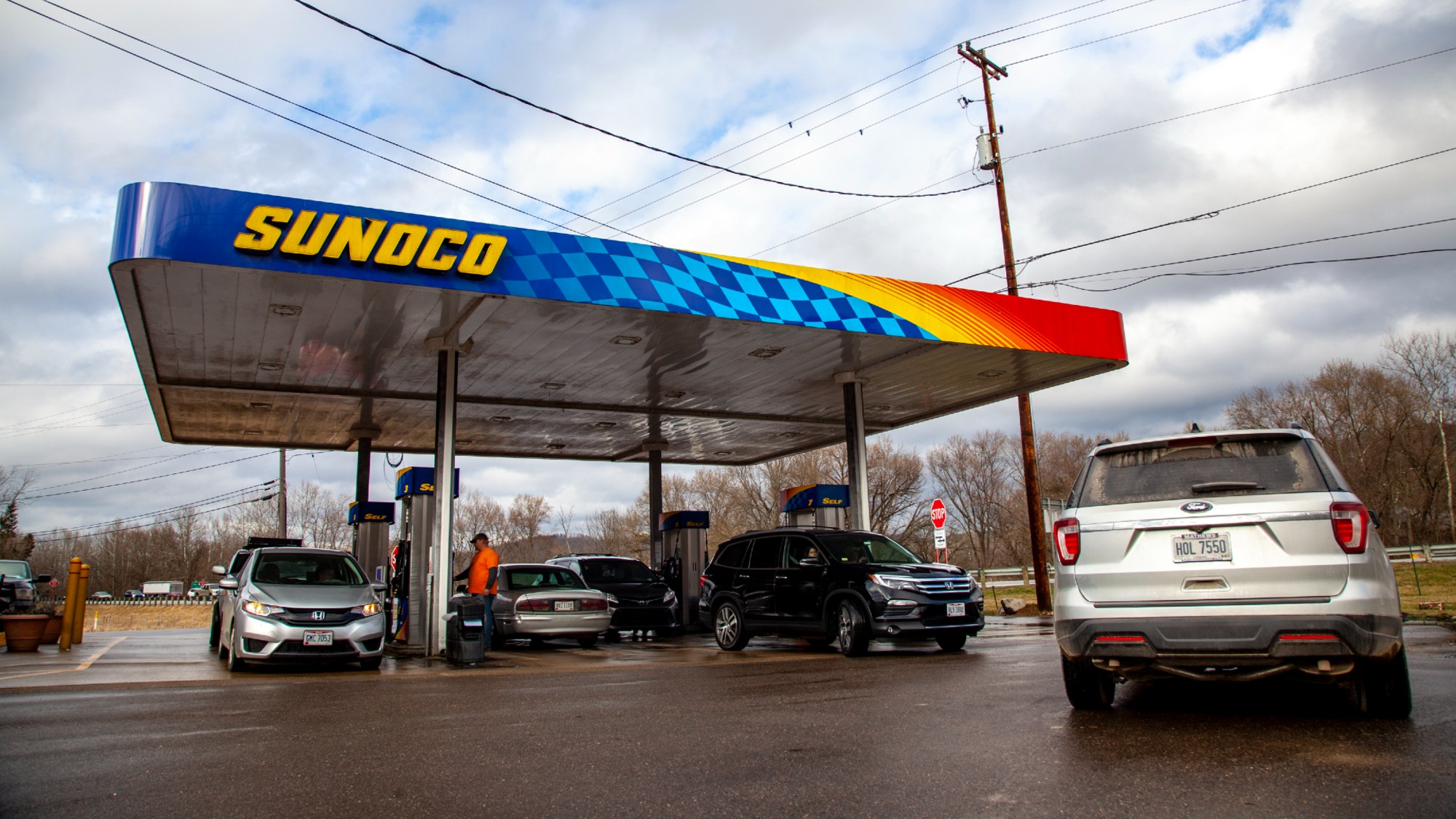
Two of the largest players in gasoline distribution are looking to form a marriage, and it could create a ripple effect when consumers head to the pump. Based in the U.S., Sunoco has announced its intentions to purchase the Canadian company Parkland in a deal that would create a dominating force in the North American petroleum industry.
Why is this deal being made?
The $9.1 billion deal represents a "definitive agreement whereby Sunoco will acquire all outstanding shares of Parkland," Sunoco said in a press release. It will "position the combined company as the largest independent fuel distributor in the Americas," Michael Jennings, the executive chairman of Parkland, said in a statement.
The deal was largely made as a lifeline for Parkland, a company in the "midst of a leadership upheaval and a fight with its largest shareholder [Simpson]," said Bloomberg. Simpson has accused the company of "repeatedly missing financial guidance, pursuing flawed acquisitions and overseeing rising costs."
What does this mean for consumers?
Together, the combined companies appear poised to dominate the gas station market. Sunoco has 7,400 U.S. gas stations, including partner brands like ExxonMobil and Shell. Parkland has 4,000 gas stations in Canada, the U.S. and the Caribbean, using partner brands like Chevron.
The deal "creates a network of more than 11,000 fueling stations," said Fortune. The combined company will make it difficult to fill up at a pump that isn't owned by them.
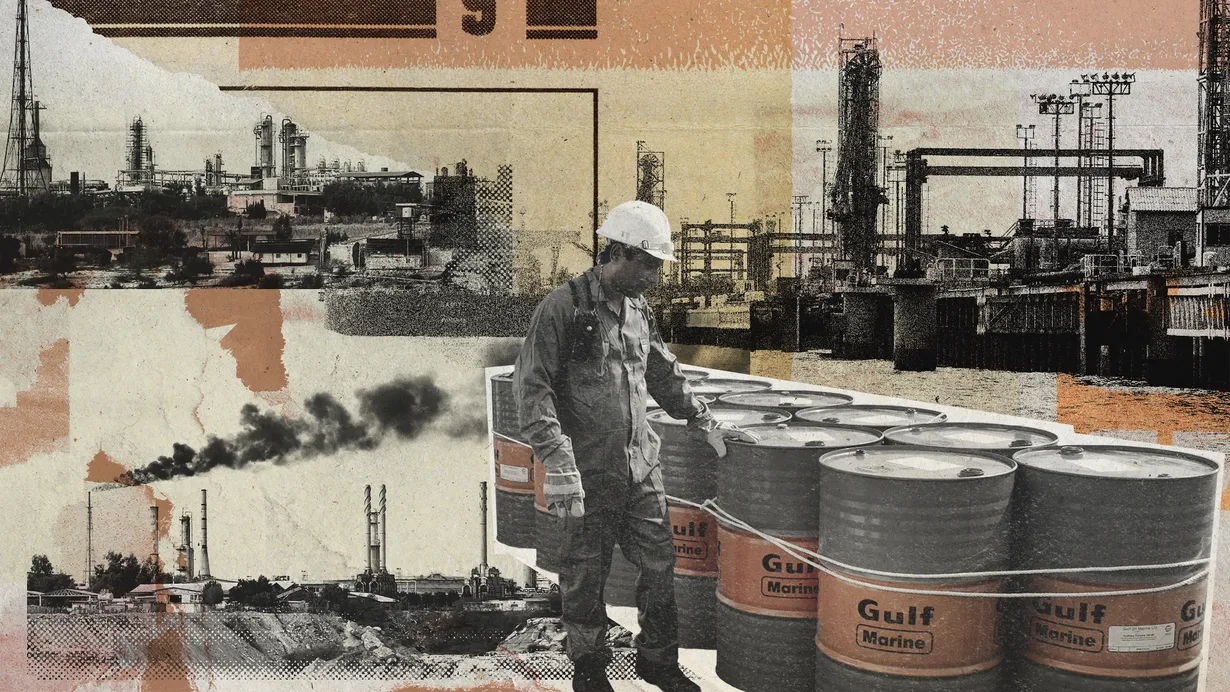
If it closes, the deal will "deliver over $250 million in annual cost savings by the third year," which could affect prices inside the convenience stores of gas stations, said Reuters. It's unclear whether gas prices would be affected, as Canada is the "biggest foreign supplier to the U.S., accounting for about 60% of its oil imports," said the Financial Times. While the transaction is expected to be finalized, said The Globe and Mail, it will "require approval from the federal government at a time when relations between the U.S. and Canada are in a deep freeze due to President Donald Trump's imposition of tariffs." |