The Week The Week
flag of US
US
flag of UK
UK
https://cdn.mos.cms.futurecdn.net/flexiimages/jacafc5zvs1692883516.jpg

SUBSCRIBE & SAVE

Less than $3 per week

Sign in
  • View Profile
  • Sign out
  • The Explainer
  • The Week Recommends
  • Newsletters
  • Cartoons
  • From the Magazine
  • The Week Junior
  • Student Offers
  • More
    • Politics
    • World News
    • Business
    • Health
    • Science
    • Food & Drink
    • Travel
    • Culture
    • History
    • Personal Finance
    • Puzzles
    • Photos
    • The Blend
    • All Categories
  • Newsletter sign up Newsletter
  • The Week Evening Review
    Widespread protests in Iran, gambling in politics, and turmoil at the Kennedy Center

     
    TODAY’S BIG QUESTION

    Why is Iran facing its biggest protests in years?

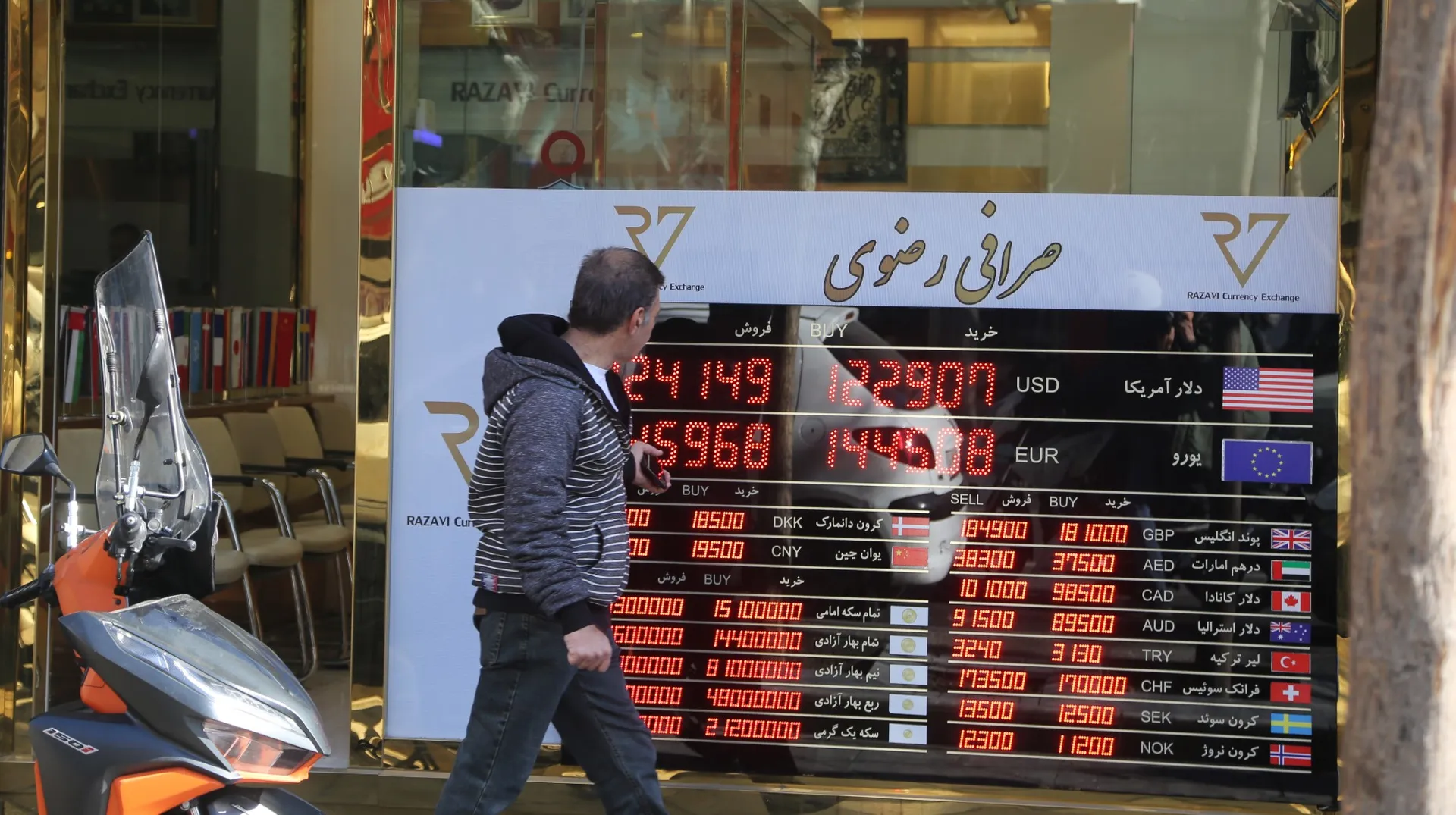
    What began as dissatisfaction over a downtrending economy among Tehran-area store owners blossomed into a full-fledged protest movement across Iran this week, with Iranians taking to the streets to decry the broader state of their nation. After years marked by destabilizing regional violence and domestic unrest, is Iran on the brink of major change?

    What did the commentators say?
    Beginning as a strike by “shopkeepers and bazaar merchants” over the rampant devaluation of Iran’s rial currency, the growing protests have since become an “outcry of political anger,” said DW. While Iran has for years grappled with “raging inflation, anemic economic growth and international isolation,” the situation has recently “grown acutely worse,” said The Washington Post. The fact that these protests were “sparked by the country’s ‘bazaari’ merchant class” signaled that “severe economic distress had spread beyond the poor and to those relatively better off.

    Iran’s depreciating currency is “not the only challenge” facing Iranians who live with inflation levels at around 50%, “consistently one of the highest in the world for several years,” said Al Jazeera separately. The nation is also “facing an exacerbating energy crisis,” and dams leading to all major cities are at “near-empty levels amid a severe water crisis.”

    But while growing demonstrations “mark the latest chapter in growing discontent,” the reaction from Iran’s theocratic leadership has been conspicuously muted, said CNN. Instead, it seems to be “overlooking the growing civil disobedience” to “focus on its own survival.” 

    What next?
    The “widening demonstrations” have since spread from population centers into Iran’s “rural provinces,” resulting in seven of the “first fatalities reported among security forces and protesters,” said NPR. The deaths may signal a “heavier-handed response” moving forward by the government over protests, which have slowed in the capital but “expanded elsewhere.”

    Iranian President Masoud Pezeshkian, who ran on “promises of good governance,” has agreed to meet with protest representatives to “show he’s cut from a different cloth than his hard-line predecessor,” said The Atlantic. But he “doesn’t control the security forces.” So his statements supporting the right to peaceful protest “ring hollow.” To achieve the economic and social stability sought by protesters, the Khamenei regime would need to reach an agreement with the Trump administration that “lifts the sanctions or at least keeps Iran safe from war.”


    QUOTE OF THE DAY

    ‘They say aspirin is good for thinning out the blood, and I don’t want thick blood pouring through my heart.’

    Trump on why he takes more aspirin than doctors recommend, in an interview with The Wall Street Journal. Dismissing suggestions that he’s exhibiting signs of physical and mental decline, the president insisted his health is “perfect.”


    The Explainer

    How prediction markets have spread to politics

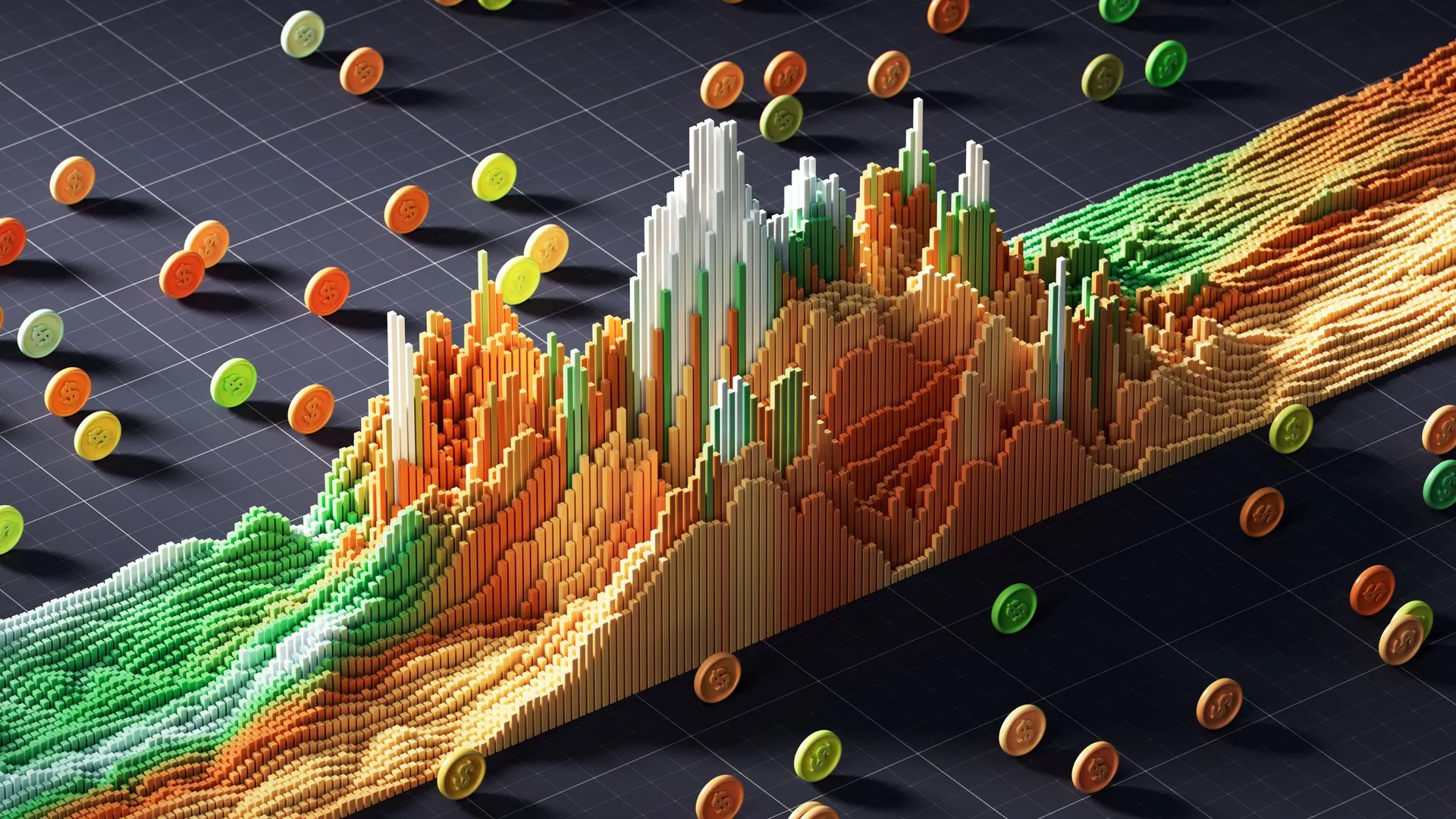
    Putting your money where your mouth is has never been easier, as it’s now possible to gamble on basically anything, including election outcomes. However, many experts worry that gamifying politics could compromise its integrity and manipulate how issues and candidates are represented in the media.

    What are prediction markets?
    They are like the stock market, but “instead of buying shares in companies, you buy shares in the outcomes of real-world events,” said Vox. Top prediction market apps like Kalshi and Polymarket “allow you to stake money on everything from the outcomes of elections and wars to the weather in your city tomorrow to who will win the Grammy for Album of the Year.” The apps essentially “transform any future scenario, regardless of how glib or disturbing, into a profitable wager,” said NPR.

    Under the Biden administration, there was an “aggressive clampdown” on prediction markets, said NPR. However, they are once again “taking flight with the full blessing of the White House.” The industry skyrocketed in 2025 and brought in $10 billion combined in bets on Kalshi and Polymarket in November.

    How will they affect politics?
    President Donald Trump dropped the Biden administration campaign to outlaw betting on elections, and Kalshi and Polymarket added Donald Trump Jr. as an adviser. In 2024, a win in court allowed Kalshi to “offer event contracts that allowed its users to wager money on the U.S. election,” said MarketWatch. 

    “We should probably prepare for a world where — much in the way that sports have become nearly impossible to follow or talk about without talking in this meta way about odds, betting outcomes, etc. — politics will start to feel like that,” said John Herrman, a tech columnist at New York Magazine, to Vox. Also, just as you can no longer watch sports without ads from various sportsbooks, CNN and CNBC have “announced partnerships with Kalshi that will incorporate the app's voting markets on things like elections into the networks’ news coverage,” said NPR. 

    “Entanglements with prediction markets might create other problems for journalists,” said The New Yorker. “Considering how significantly news coverage shapes betting odds, there’s ample opportunity for insider trading.” Bets placed on certain candidates or issues might bring more interest or popularity and thus skew coverage or voter behavior.


    Statistic of the day

    22%: The percentage by which air pollution dropped in New York City after six months of congestion pricing that began in January 2025, according to a study published in the journal Nature. Forty-two air-quality monitors were analyzed across the city.


    IN THE SPOTLIGHT

    Kennedy Center in turmoil after new wave of cancellations

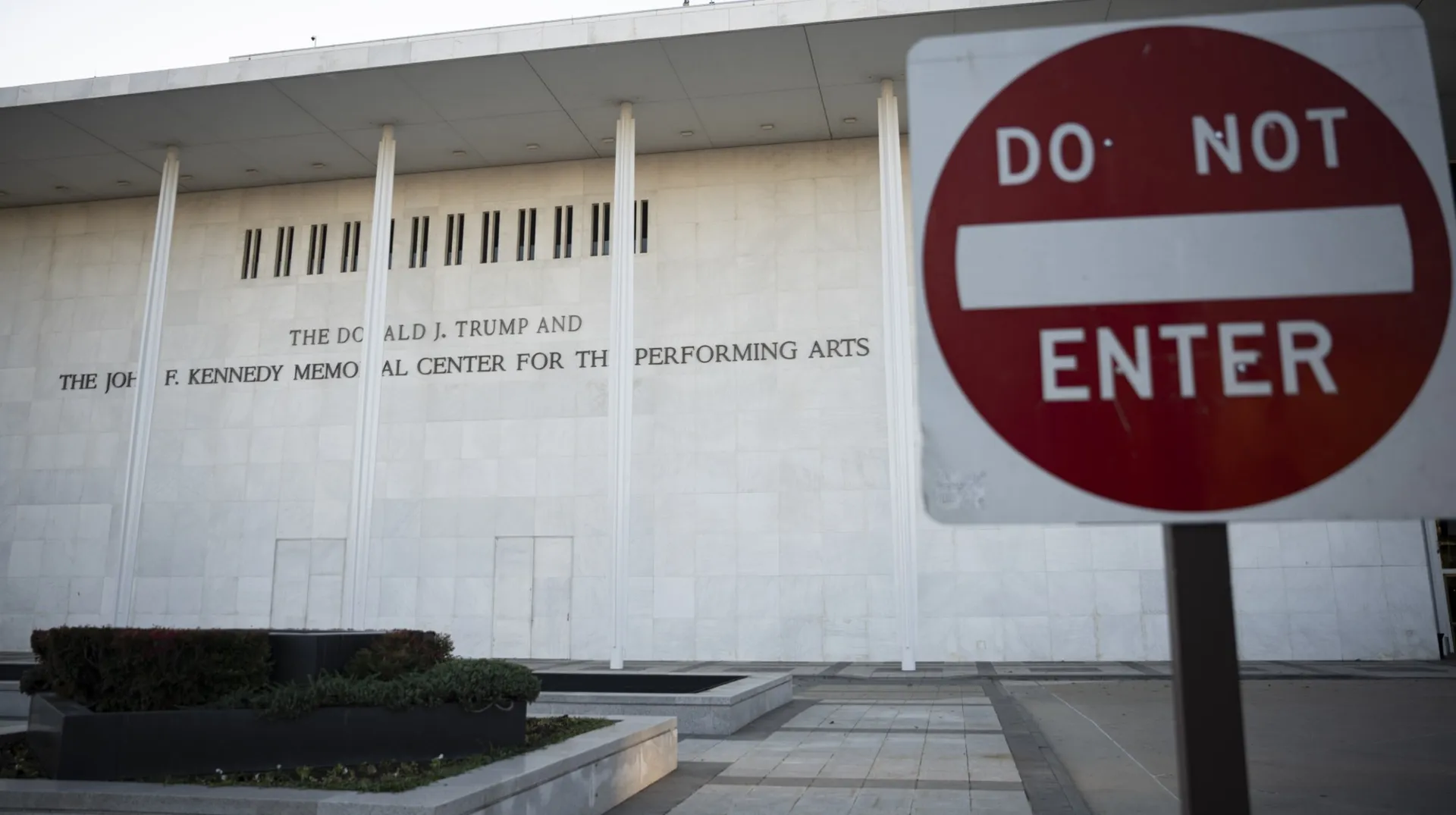
    The board of the John F. Kennedy Center for the Performing Arts voted in mid-December to add President Donald Trump’s name to the concert hall to reflect “unequivocal bipartisan support for America’s cultural center for generations to come,” said Vice President for Public Relations Roma Daravi. But in the weeks since, longtime performers have cancelled shows, and some have directly linked their decision to the center’s rebrand, resulting in a round of recriminations and threats from Trump allies.

    ‘Not symbolic gestures’
    Musician Chuck Redd’s decision to cancel the holiday “Jazz Jams” performance he had hosted since 2006 came after seeing the “name change on the Kennedy Center website and then hours later on the building,” said Redd to The Associated Press. And on Monday, New York group Doug Varone and the Dancers announced it had canceled an April performance “despite an invitation,” said WUSA. “We can no longer permit ourselves nor ask our audiences to step inside this once-great institution,” said Varone on Instagram.

    This “fresh round” of cancellations follows “earlier artist backlash” last spring, said the Los Angeles Times. And the latest ones are “not symbolic gestures,” said Mediaite. They involve “real money, professional risk and decisions artists did not make lightly.”

    ‘Classic intolerance’
    The cancellations have led to a particularly harsh response from Kennedy Center President Richard Grenell, a longtime Trump ally and adviser who threatened a $1 million lawsuit against Redd in a letter obtained by ABC News. The decision to cancel the show is “classic intolerance” and an example of “sad bullying tactics employed by certain elements on the left,” said Grenell. 

    The Kennedy Center plans to pursue the suit “after the holidays,” said NPR. But Grenell’s position “requires believing that politics” only entered into the Kennedy Center’s equations when artists “objected to the renaming, not when the renaming happened,” said Mediaite. By “labelling dissenting artists extremists,” Grenell “shifts attention away” from the initial renaming that “set everything in motion” and “discourages others from making the same connection publicly.”


    Good day 🌱

    … for late bloomers. In an analysis of 34,000 outstanding performers, including Nobel Prize winners, talented composers and Olympic champions, only a minority are “child prodigies,” according to a study published in the journal Science. “Multidisciplinary practice and gradual early progress” correlate more strongly with world-class achievement than intense “discipline-specific practice” in childhood.


    Bad day 🏥

    … for women veterans. The Department of Veterans Affairs has reimposed a near total ban on abortions for veterans. A Justice Department memo asserted that the VA is “not legally authorized to provide abortions,” VA Press Secretary Pete Kasperowicz said to CBS News.


    Picture of the day

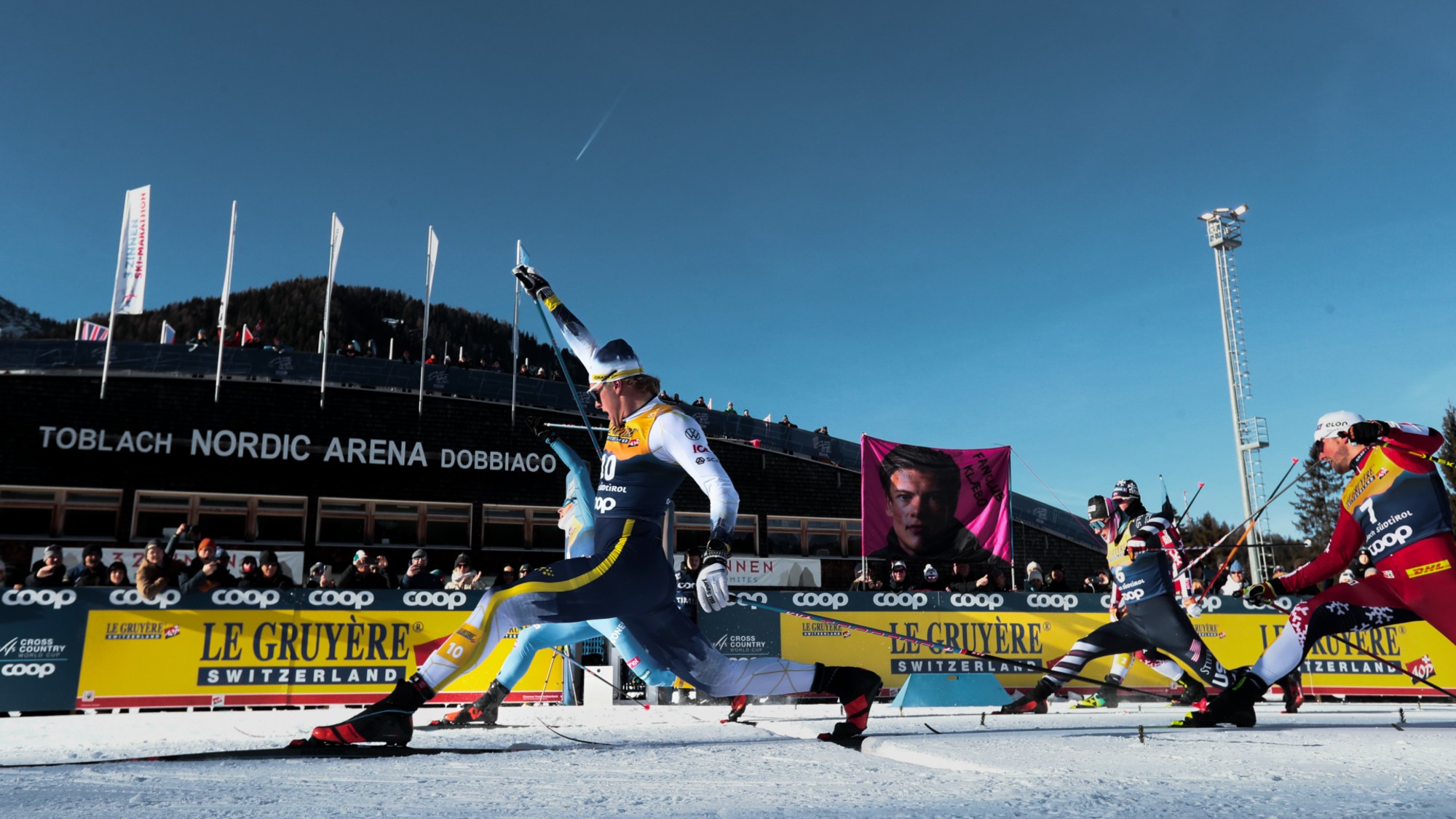
    Photo finish

    Federico Pellegrino of Italy, Edvin Anger of Sweden, Gus Schumacher of the U.S., and Emil Iversen of Norway (from left) compete on the final stretch at the FIS World Cup Cross-Country Tour de Ski Men's Pursuit in Toblach, Italy. Norway’s five-time Olympic champion Johannes Hosflot Klaebo won the race.
    Federico Modica / NordicFocus / Getty Images


    QUIZZES

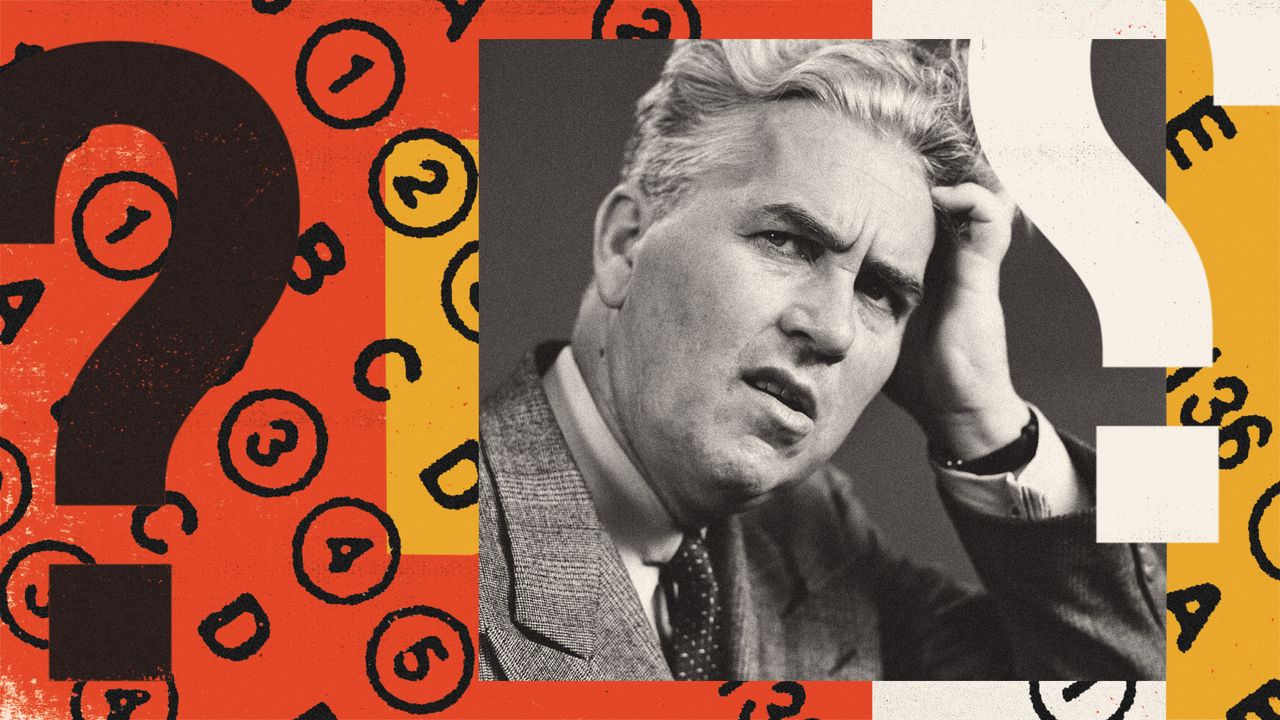
    New Year’s quiz 

    From global conflicts to pop culture sensations, 2025 was an eventful year. But how closely were you following the fast-moving headlines?

    Play here


    The Week recommends

    The best travel destinations this year

    A new year means new trips and new places to explore. Check out these increasingly hot spots across the globe.

    Botswana
    Considering a safari in 2026? Book it in Botswana. The country’s landscapes span from “delta to desert,” and because light pollution isn’t an issue here, each “star and comet blazes in the dark sky,” said Lonely Planet. On your journey, you could spot elephant herds, “majestic” lions, cheetahs and meerkats. Botswana is also known for the quality craftsmanship of its artisans, which is “most apparent” when you see its “functional and stylish” woven baskets.

    Sardinia
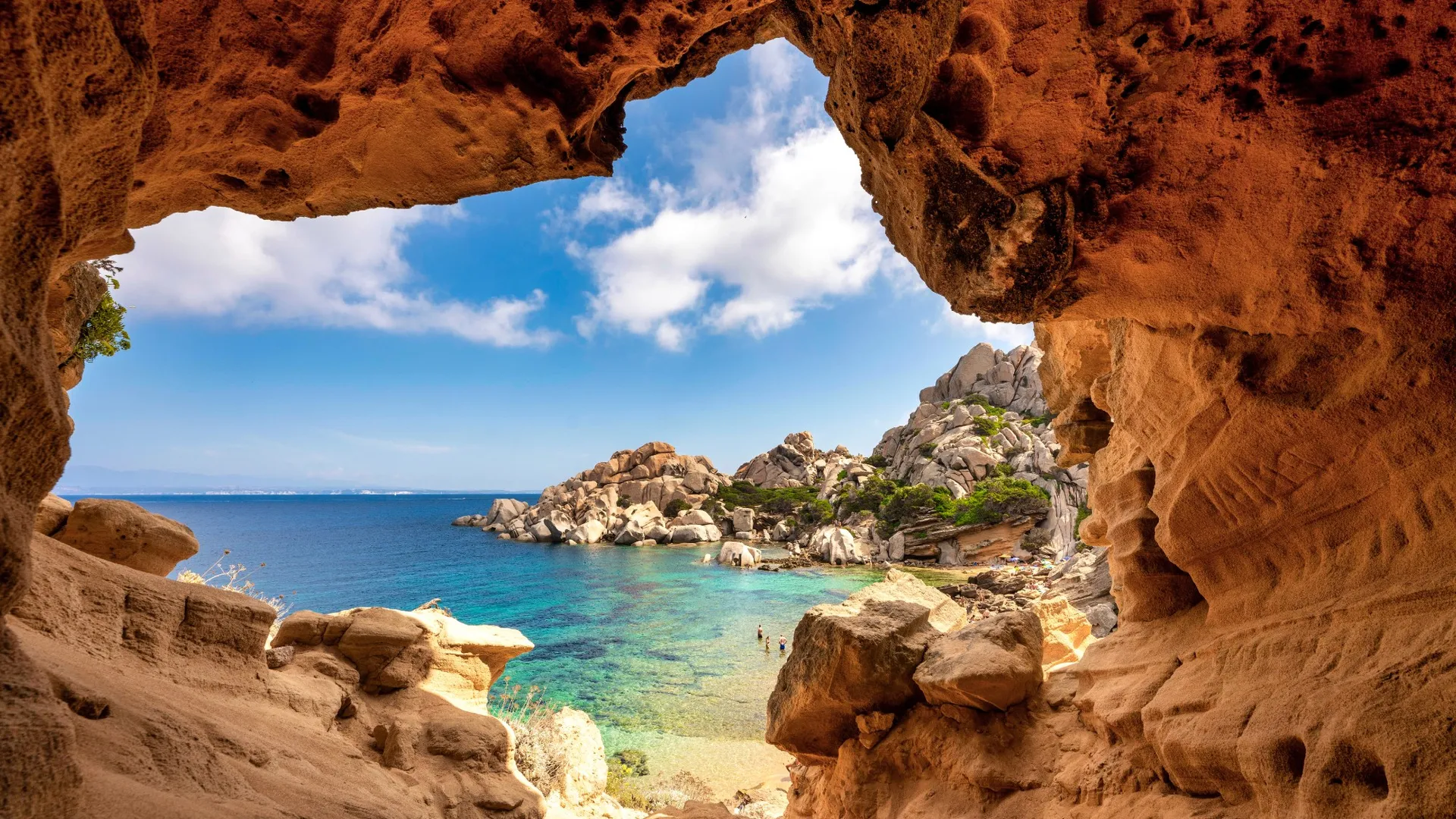
    A “wild island escape” can be found on Sardinia (pictured above), where “pristine beaches” and “cultural riches” are plentiful, said Lonely Planet. Active travelers will jump at the chance to go diving, swimming, caving and snorkeling along the coast or hiking on the Cammino Minerario di Santa Barbara long-distance trail, while “archeology enthusiasts” focus on sights like the massive nuraghi stone structures built during the Bronze Age.

    Uluru, Australia
    This year, there will be a new way to experience Uluru, the sandstone monolith sacred to the Anangu people. Over five days, visitors can trek from the “soaring domes” of Kata Tjuta to the base of Uluru, going through “desert oak forest, spinifex plains and red-dune country normally closed to the public,” said the BBC. This is also the only way to sleep inside the national park.

    Read more


    Poll watch

    Just over one-quarter of Israelis (26%) believe there’s a political party that properly represents them, according to an Israel Democracy Institute study. As Israel prepares for legislative elections this year, 35% of the 1,569 adults polled feel “partly” represented, and for 34%, no party reflects their views.


    WORD OF THE DAY

    anhedonia

    An inability to experience pleasure and joy in things you used to enjoy and a possible side effect of excessive nicotine use. Nicotine pouches have become a “go-to stimulant for a subset of tech worker,” said The Wall Street Journal, despite the risk of addiction and other health issues like anhedonia.


    INSTANT OPINION

    Today's best commentary

    ‘We are living through the Great Detachment’
    David Brooks at The New York Times
    The U.S. is facing an era of “romantic recession,” says David Brooks. It’s not just a decline in marriage rates; we are “seeing a systematic weakening of the loving bonds that hold society together.” Values have changed, pushing young Americans toward “individual freedom” and away from romantic relationships. You can “build a culture around loving commitments, or you can build a culture around individual autonomy, but you can’t do both.”

    ‘10 drugs just became more affordable for Medicare recipients, but America needs far more relief’
    Emma Freer at MS NOW
    Starting today, older Americans enrolled in Medicare will see lower prices on a handful of widely used drugs, which “will save a combined $1.5 billion annually on out-of-pocket costs,” says Emma Freer. These changes brought by former President Joe Biden’s Inflation Reduction Act represent a “sea change in federal policy.” But the U.S. “must do more to lower the cost of all prescription drugs, and those costs “need to be lowered for all Americans.”

    ‘New Year’s goal: Care to step outside? You won't regret it.’
    Jean Case at USA Today
    What if, instead of setting unachievable New Year’s goals, we “chose a resolution so simple, so achievable and so transformative that it could reshape not just our lives but also our communities and even our country”? says Jean Case. Make this the year you “step outside for at least 10 to 20 minutes every day.” Urban nature exposure improves mental health to a measurable degree. These “aren't marginal improvements.” They are “prescription-strength results from the most accessible medicine on Earth.”


    Evening Review was written and edited by Theara Coleman, Nadia Croes, Scott Hocker, Justin Klawans, Summer Meza, Devika Rao and Rafi Schwartz, with illustrations by Stephen Kelly and Julia Wytrazek.

    Image credits, from top: Fatemeh Bahrami / Anadolu / Getty Images; Eugene Mymrin / Getty Images; Celal Gunes / Anadolu / Getty Images; Francesco Riccardo Iacomino / Getty Images
     

    Recent editions

    • Morning Report

      New York’s new era begins

    • Evening Review

      Zelenskyy asks Trump to commit

    • Evening Review

      A secretive strike

    VIEW ALL
    TheWeek
    • About Us
    • Contact Future's experts
    • Terms and Conditions
    • Privacy Policy
    • Cookie Policy
    • Advertise With Us
    • FAQ
    Add as a preferred source on Google

    The Week is part of Future US Inc, an international media group and leading digital publisher. Visit our corporate site.

    © Future US, Inc. Full 7th Floor, 130 West 42nd Street, New York, NY 10036.