The Week The Week
flag of US
US
flag of UK
UK
https://cdn.mos.cms.futurecdn.net/flexiimages/jacafc5zvs1692883516.jpg

SUBSCRIBE & SAVE

Less than $3 per week

Sign in
  • View Profile
  • Sign out
  • The Explainer
  • The Week Recommends
  • Newsletters
  • Cartoons
  • From the Magazine
  • The Week Junior
  • Student Offers
  • More
    • Politics
    • World News
    • Business
    • Health
    • Science
    • Food & Drink
    • Travel
    • Culture
    • History
    • Personal Finance
    • Puzzles
    • Photos
    • The Blend
    • All Categories
  • Newsletter sign up Newsletter
  • The Week Evening Review
    The state of the judicial branch, ski resort strikes, and convenience culture

     
    TODAY’S BIG QUESTION

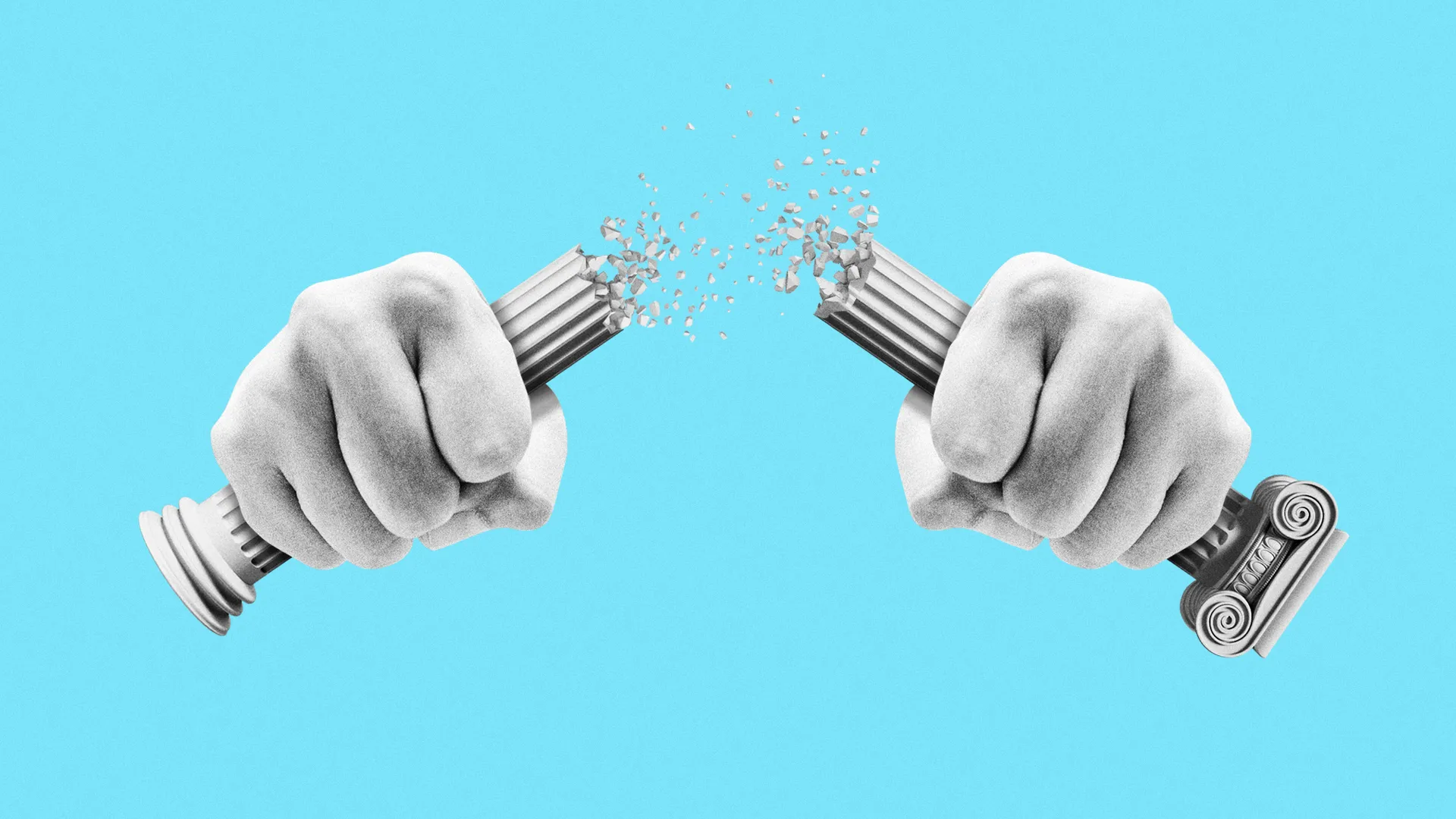
    How robust is the rule of law in the US?

    The federal judiciary surely appeared to have a turbulent 2025. Lower courts regularly issued rulings constraining the Trump administration’s expansive assertions of executive authority, and the Supreme Court regularly overruled those decisions, often without fully explaining itself. That produced some pushback, but Chief Justice John Roberts says the rule of law is alive and well in the U.S.

    The Constitution remains “firm and unshaken” heading into 2026, Roberts said in his annual report on the state of the judicial branch. But his declaration comes after a year in which “legal scholars and Democrats raised fears of a possible constitutional crisis” in the face of President Donald Trump’s “far-reaching conservative agenda,” said The Associated Press. 

    Roberts issued a “rare rebuke” in March after Trump called for the impeachment of a lower-court judge who ruled against the administration, said the AP. But the Supreme Court has also given Trump a “series of some two dozen wins” on a range of issues.

    What did the commentators say?
    Last year’s rulings gave Trump “much broader power to control the federal government,” said the Los Angeles Times. The Supreme Court ruled “consistently for the president, with some notable exceptions,” said David Cole, a law professor at Georgetown University, to the Times.

    Those exceptions included orders forbidding the White House to unilaterally send the National Guard into American cities and establishing that immigrants are entitled to due process before deportation. Some of Trump’s “most disputed policies” will come before the court in 2026, including expected decisions on the legality of the administration’s tariffs and whether the government can deny birthright citizenship to the children of immigrants, said the AP.

    The chief justice’s report avoided “any direct reference to a year of deep tension” within the broader federal judiciary, said Bloomberg Law. Federal judges “became the target of frequent verbal attacks” from Trump and his allies and withstood an “uptick in threats and other types of harassment” in the wake of rulings against the White House. 

    What next?
    The court’s “smooth relationship” with Trump just might “turn sour in the new year,” said NBC News. Justices appear poised to hand the president “at least one major defeat” involving tariffs or Trump’s efforts to fire a sitting member of the Federal Reserve board.


    QUOTE OF THE DAY

    ‘I don’t think any governor in history has had to fight a war against the federal government every single day.’ 

    Democrat Tim Walz to reporters on his decision to end his bid for a third term as Minnesota’s governor, after concluding that dropping out might shield his constituents from increased scrutiny from the Trump administration, whose attacks he said are “hurting Minnesotans”


    The Explainer

    Ski town strikers fight rising cost of living

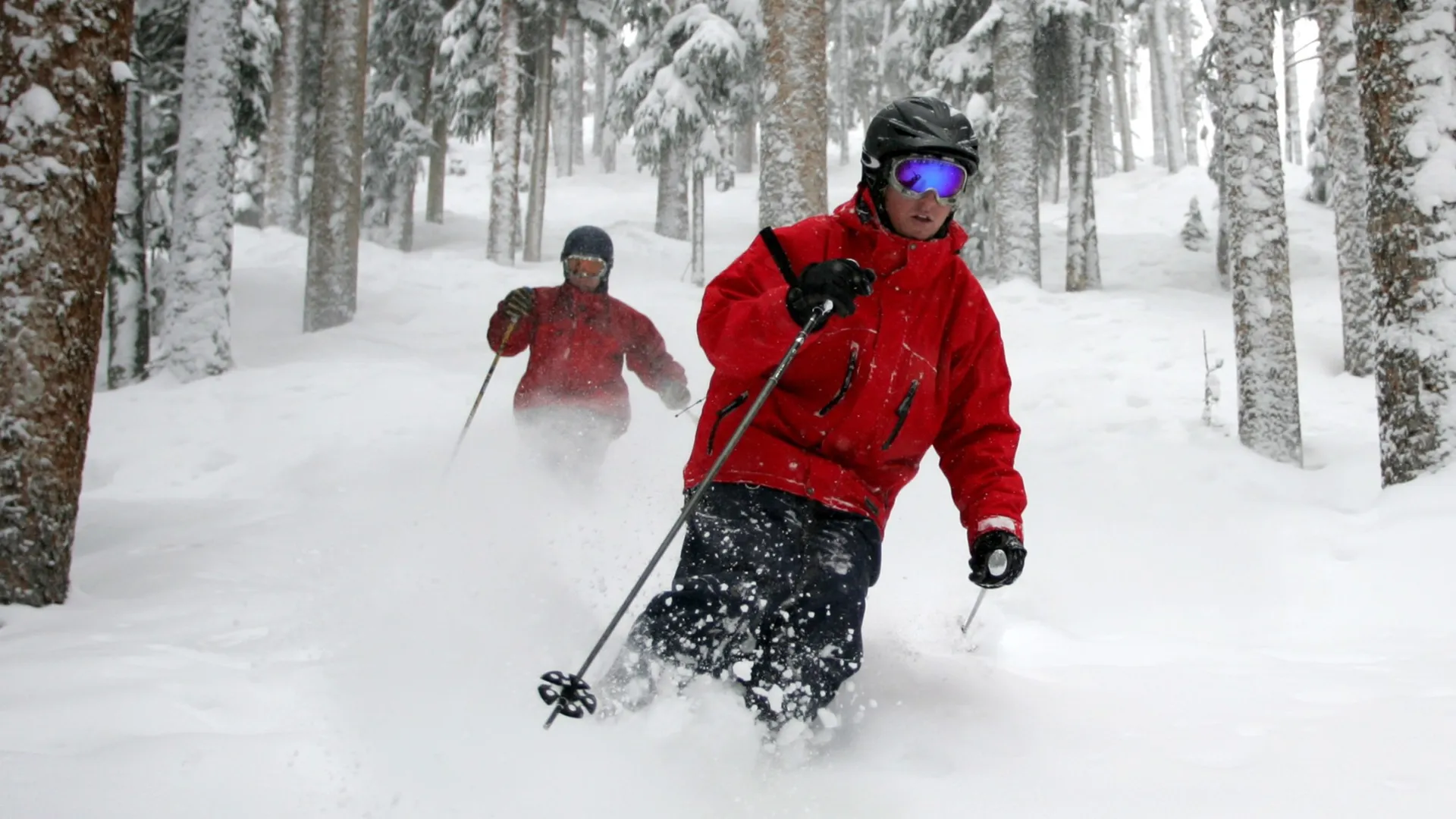
    Ski instructors across major U.S. resorts have been putting down their ski poles and picking up a picket sign. Instructors at Colorado’s Telluride Ski Resort have become the latest group to go on strike. Many instructors say that while these ski resorts are located in the lap of luxury, their paychecks cannot keep up with the cost of living.

    Where have ski instructors been striking?
    Telluride has quickly become the center of the recent labor movement. The ski resort’s union, the Telluride Professional Ski Patrol Association, began a strike last month over wages, forcing Telluride to shut down its slopes. While the resort has partially reopened, officials worry the town is “staring down an economic crisis if the ski resort and its patrollers don’t settle their labor dispute” and fully reopen, said The Denver Post.

    Ski patrollers at Wyoming’s Jackson Hole Mountain Resort put forth a petition to unionize, part of “widespread labor activity at American ski resorts,” said Jackson Hole News & Guide. And in early 2025, patrollers in Park City, Utah, went on strike, which “caused the resort to close most of its terrain for nearly two weeks,” said NBC News. Workers at three Colorado mountains (Keystone Resort, Eldora Mountain and Arapahoe Basin Ski Area) have also unionized.

    What are they striking for?
    Most of the labor activism has centered on cost-of-living issues, which ski instructors say are in stark contrast to the wealth often on display at these resorts. These patrollers are “increasingly leading the push for higher wages,” said NBC. 

    The starting wage for a ski patroller trainee at Telluride is $21 per hour, according to a job posting. So union negotiators put forth a proposal that “increased the base rate for station leads to $41 an hour and gave staff annual increases,” said KKCO-TV Grand Junction. 

    Current wages “aren’t enough to live on in one of the most expensive housing markets in America,” said Tony Daranyi, who has worked as a ski patroller in Telluride for 27 years, to NBC. The amount the instructors make is “far below what it takes somebody in this community to afford either rent” or an affordable house. The strike is a “reflection of what’s going on in all mountain communities, and it’s also a reflection of what’s going on nationwide with income inequality.”


    Statistic of the day

    $39 billion: The money gained by companies involved in overseas corruption cases from February to December 2025, according to a study in the journal International Organization. This record increase came after Trump suspended enforcement of the Foreign Corrupt Practices Act in February 2025.


    IN THE SPOTLIGHT

    Is convenience culture killing community?

    “Inconvenience is the cost of community” has become an online mantra amid debate about the effort required to maintain connections and whether it’s worth the bother. Arguments are raging about “sacrifice” and “what we actually ‘owe’ each other,” said Maybelle Morgan at Dazed, as people ponder how often they should put others first.

    ‘Protect your peace’ 
    Not long ago, the saying “protect your peace” was rife on social media, said Morgan. The focus was on “stress-free” living and “limiting exposure” to challenging situations, and we were encouraged to “say ‘no’ to things, set boundaries, cut off people who ‘trauma-dump’ and religiously practice self-care.” But this motto promotes “avoidance rather than tools for healthier connection” and appears to reflect a wider trend. 

    Global emotional intelligence has declined by 6%, according to a study published in the journal Frontiers in Psychology that analyzed data from 166 countries between 2019 and 2024. The modern lifestyle has “optimized away the inconveniences that create interdependence,” leaving some people “incapable of handling difference,” said psychology scholar Andrea Carter at The Conversation. Digital platforms have exacerbated this voluntary segregation. Most of us look at “belief-aligned feeds” that reflect our attitudes and avoid the “discomfort that growth requires.”  

    ‘Prioritizing emotional wellness’ 
    Even close relationships can be affected. In North America, 130 million people are estranged from a relative, according to The Harris Poll, which tracks trends in the U.S. 

    Dating is also becoming harder, said Hena Bryan at Glamour. Women are “prioritizing emotional wellness” and establishing “firm boundaries.” With many men “refusing the emotional work that makes relationships thrive,” women are deciding that “being alone is often safer and more fulfilling than dating someone unwilling, or unable, to meet them halfway.” 

    But the effort is worth it, according to an 80-year study by Harvard University. The “quality of our relationships” helps us live “longer, happier” lives, according to the research, said Morgan. Inconvenience is an “investment,” psychotherapist Kamalyn Kaur said to Dazed. Community “provides the grounding force of being seen, known and supported” through life’s ups and downs. There’s “space in our lives for both self-care and community care.”


    Good day 💉

    … for fighting illness. Routine adult vaccinations may do more than prevent infections. Flu, shingles and pneumococcal shots reduce heart attacks and hospitalizations, while shingles vaccines in particular have been linked to a 24% lower risk of dementia and 47% lower risk of Alzheimer’s, according to studies by Health Data Research U.K. and Oxford University.


    Bad day 🚗

    … for holding on to titles. Tesla is no longer the world’s bestselling electric vehicle maker, delivering 1.64 million vehicles in 2025 — down 9% from the prior year. It’s a “stunning reversal for a car company whose rise once seemed unstoppable,” said The Associated Press. Chinese rival BYD, which sold 2.26 million units, is now the largest.


    Picture of the day

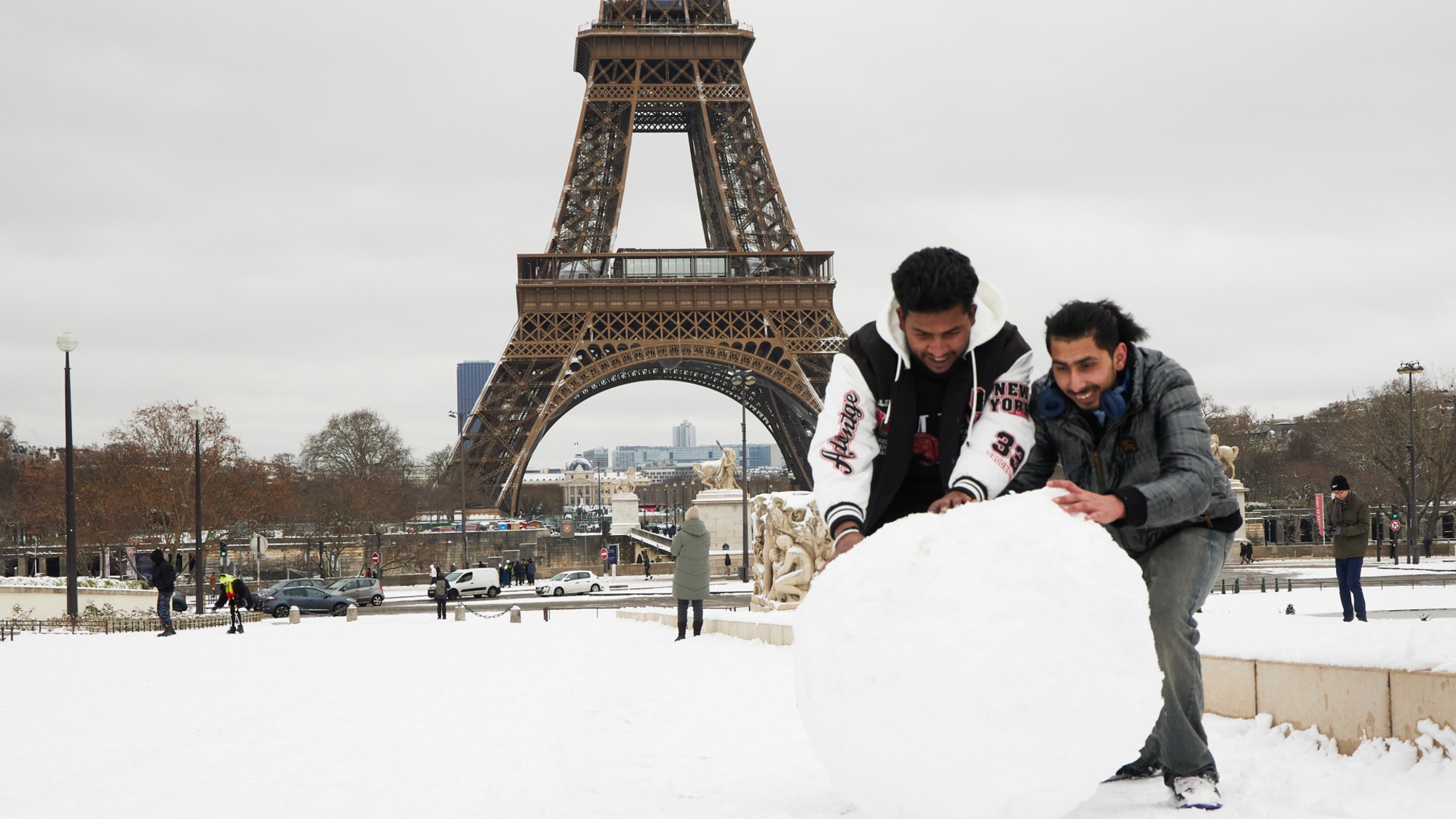
    Snow day

    Two men roll a large snowball near the Eiffel Tower today in Paris. The conditions brought by Storm Goretti are set to persist for weeks across much of central and northern Europe, causing travel chaos across the region.
    Oleg Nikishin / Getty Images


    Puzzles

    Daily crossword

    Try The Week’s new daily number challenge in our puzzles and quizzes section

    Play here


    The Week recommends

    Brand-new hotels that connect you with nature

    If you are going to set one New Year’s resolution, make it this: Try new things. If you are down for a second resolution, why not go with spending more time in the great outdoors? Combine both intentions by visiting one of these shiny new hotels, where being in nature is one of the built-in amenities.

    Chesa Marchetta, Sils Maria, Switzerland
    This property fits right in with the splendor of the Alps. The 13-room hotel is a renovated 16th-century guesthouse from Artfarm, filled with antiques and decor made from Swiss stone pine, a “fragrant high-altitude wood known for its calming properties,” said The New York Times. (now open)

    The Sunny, Sunny Isles Beach, Florida
    Find both vitamin D and sea at The Sunny. This 339-room oceanside resort has a private beach for guests and offers easy access to the Newport Fishing Pier, where diners can enjoy a meal above the Atlantic at the Sandbar. The hotel’s concierge will also be happy to set up outdoor excursions, including visits to Everglades National Park. (opens Feb. 4)

    andBeyond Sandibe Under Canvas, Okavango Delta, Botswana
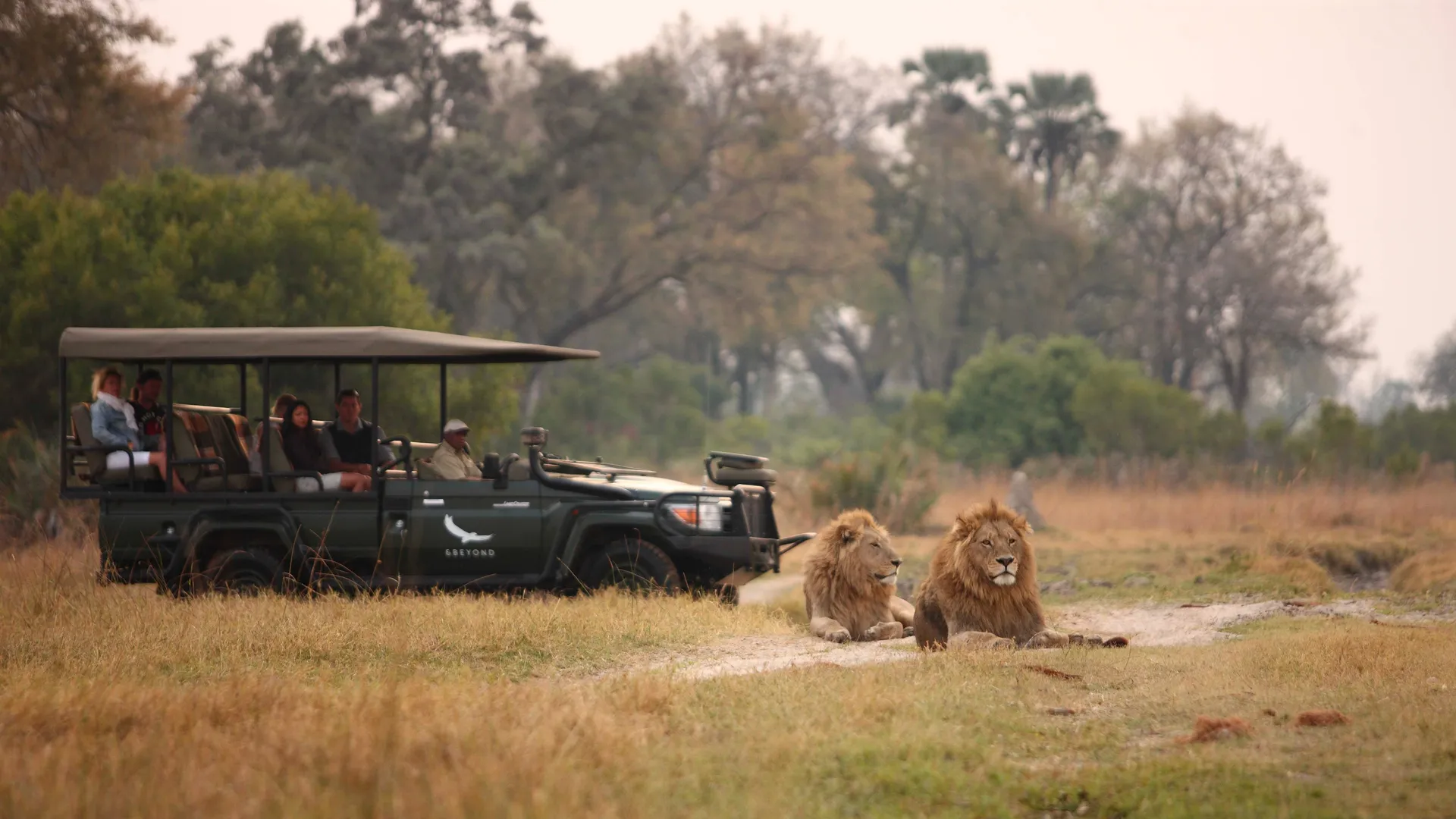
    At this intimate and immersive safari camp (pictured above), guests will be in the middle of the action. Three solar-powered luxury tents, complete with super king beds and showers, sit in the Okavango Delta, where wildlife like lions, leopards, cheetahs and wild dogs roam year-round. Activities will include going on game drives and walking safaris, and with a maximum of six guests at any time, it will feel like you have the whole place to yourself. (opens March)

    Read more


    Poll watch

    Less than one in five Americans (19%) trust AI in financial services, according to a YouGov survey. While 48% of the 1,287 adults polled don’t trust it, 56% do trust AI for one specific purpose: flagging unusual transactions — the most trusted task.


    INSTANT OPINION

    Today's best commentary

    ‘SpaceX is under a lot of pressure now. It’s not alone.’
    Thomas Black at Bloomberg
    SpaceX is “under intense pressure to perform this year,” but it “isn’t alone,” says Thomas Black. This year will be “pressure-packed for NASA and most U.S. space companies, whether legacy ones or startups that are struggling to prove themselves.” There’s “growing concern, which could turn into alarm, that China will beat the U.S. to the moon.” Just like the “space race with the Soviet Union in the 1960s, this showdown is more about national security than science.”

    ‘Conversion therapy kills — put a stop to it, once and for all’
    Mark Henson and Hannah Wesolowski at The Hill
    Who we are is “not something that needs to be fixed,” say Mark Henson and Hannah Wesolowski. But for “thousands of gay, lesbian, bisexual and transgender young people across the U.S., conversion therapy continues to send the dangerous message that their identity is a problem.” People think of conversion therapy as a “relic of the past,” but these “discredited and harmful practices are still happening in communities across the country, despite clear evidence of the damage they cause.”

    ‘After 21 deaths in Uvalde, a jury must weigh one officer’s actions’
    Rosie DiManno at the Toronto Star
    Everyone is “looking for somebody to blame for the abominable massacre in Uvalde, Texas, on May 24, 2022,” says Rosie DiManno. This is the “thrust behind the prosecution” of police officer Adrian Gonzales, who allegedly “didn’t do enough” and “failed to engage, distract or delay“ the shooter. But “falling short of that duty isn’t necessarily a criminal offense. Being a coward isn’t a crime,” and Gonzales’ defense team is “portraying the accused” as a “scapegoat for a much broader failure.”


    WORD OF THE DAY

    carnyx

    An upright, bronze Celtic war trumpet used by tribes to “intimidate their enemies” and “inspire and direct warriors during battle,” said the BBC. Archaeologists in England have unearthed the most complete carnyx ever found in Europe — a discovery that will “reshape our view of sound and music in the Iron Age,” said Fraser Hunter, a curator at National Museums Scotland.


    Evening Review was written and edited by Theara Coleman, Nadia Croes, Catherine Garcia, Scott Hocker, Justin Klawans, Joel Mathis, Summer Meza and Deeya Sonalkar, with illustrations by Stephen Kelly and Julia Wytrazek.

    Image credits, from top: Illustration by Stephen Kelly / Getty Images; AP Photo / Nathan Bilow; Illustration by Julia Wytrazek / Getty Images; andBeyond
     

    Recent editions

    • Morning Report

      Trump’s NATO threat

    • Evening Review

      What’s Trump eyeing after Venezuela?

    • Morning Report

      Maduro tells court he was ‘kidnapped’

    VIEW ALL
    TheWeek
    • About Us
    • Contact Future's experts
    • Terms and Conditions
    • Privacy Policy
    • Cookie Policy
    • Advertise With Us
    • FAQ
    Add as a preferred source on Google

    The Week is part of Future US Inc, an international media group and leading digital publisher. Visit our corporate site.

    © Future US, Inc. Full 7th Floor, 130 West 42nd Street, New York, NY 10036.