The Week The Week
flag of US
US
flag of UK
UK
https://cdn.mos.cms.futurecdn.net/flexiimages/jacafc5zvs1692883516.jpg

SUBSCRIBE & SAVE

Less than $3 per week

Sign in
  • View Profile
  • Sign out
  • The Explainer
  • The Week Recommends
  • Newsletters
  • Cartoons
  • From the Magazine
  • The Week Junior
  • Student Offers
  • More
    • Politics
    • World News
    • Business
    • Health
    • Science
    • Food & Drink
    • Travel
    • Culture
    • History
    • Personal Finance
    • Puzzles
    • Photos
    • The Blend
    • All Categories
  • Newsletter sign up Newsletter
  • The Week Evening Review
    The DOJ’s new old court, heat protection laws, and expensive school supplies

     
    IN THE SPOTLIGHT

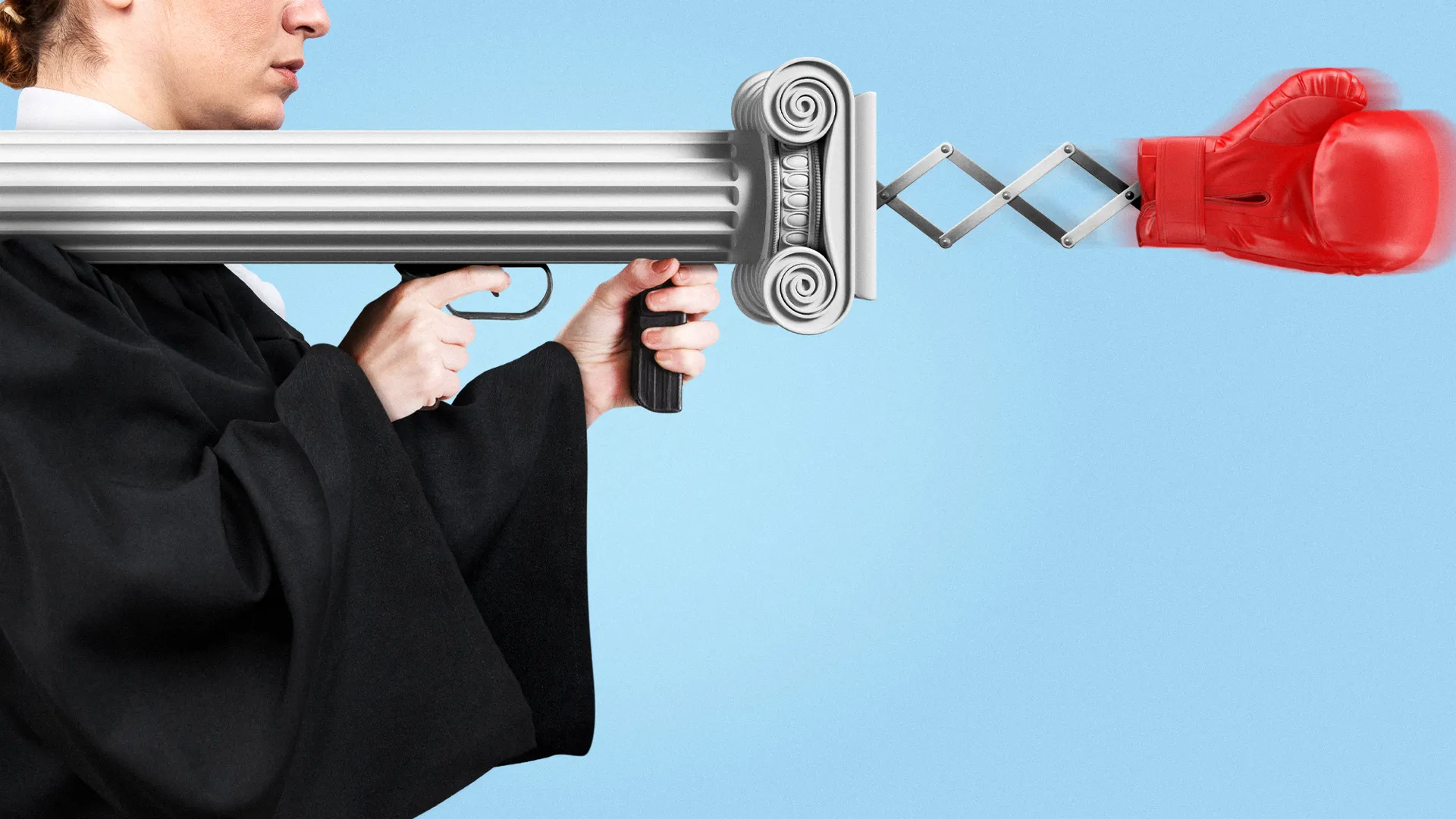
    The DOJ revives a long-dormant deportation court

    The Justice Department has dusted off the cobwebs of an inactive deportation court, and the development has some immigration rights activists concerned. The Alien Terrorist Removal Court was established in 1996 but has never heard a case until now, and its usage could eventually become an issue for the Supreme Court.

    Lower standards
    The Trump DOJ is attempting to use the Alien Terrorist Removal Court to deport Nazira Haji Zada, a “legal permanent resident from Afghanistan who is accused of having ISIS sympathies and of assisting her son in a thwarted terror plot that targeted the 2024 election,” said CNN. Zada’s lawyers are “challenging the constitutionality of the deportation tribunal,” saying the court does not follow due process.

    The specialized court was created under the Clinton administration to “conduct deportation proceedings for individuals whom the Justice Department classifies as ‘alien terrorists,’” said The Associated Press. It is “comprised of five federal judges from different districts across the country who are appointed by the chief justice of the Supreme Court.” 

    The court allows the U.S. to “attempt to remove noncitizens from the country upon representing them as an alien terrorist under a lower standard than would be required to convict them of a criminal charge,” said NBC News. The DOJ “will use every tool available to bring alien terrorists to justice and remove them from the United States, including this court,” a Justice Department spokesperson told NBC.

    A new battle
    While Zada pleads her innocence, the case could “set up months, if not years, of litigation over the court’s constitutionality, a question that could ultimately travel to the Supreme Court,” said CNN. Prior presidential administrations “avoided using the court, relying instead on the procedures in normal deportation proceedings for handling classified information.” 

    Documents provide a “very limited view” of why the government thinks Zada is a terrorist and “why it believes disclosing that evidence would imperil national security,” said CNN. The court’s procedures also let the DOJ withhold this evidence “not just from the public, but from the accused alien terrorist herself.” 

    It does not seem that the DOJ intends to stop the court’s use, despite constitutional questions. Officials have already “built a website for the institution” and are currently “working on an electronic filing system where people can find relevant court papers,” said NPR. 


    QUOTE OF THE DAY

    ‘If you can’t say the name — it’s Abdulrahman — keep the name out your damn mouth.’

    Progressive candidate Abdul El-Sayed, whose full name is Abdulrahman Mohamed El-Sayed, in a victory speech after winning the Democratic nomination for Senate in Michigan, referencing Republican nominee Mike Rogers’ ad campaigns against him 


    Talking Points

    Why are Republicans undoing worker heat mandates?

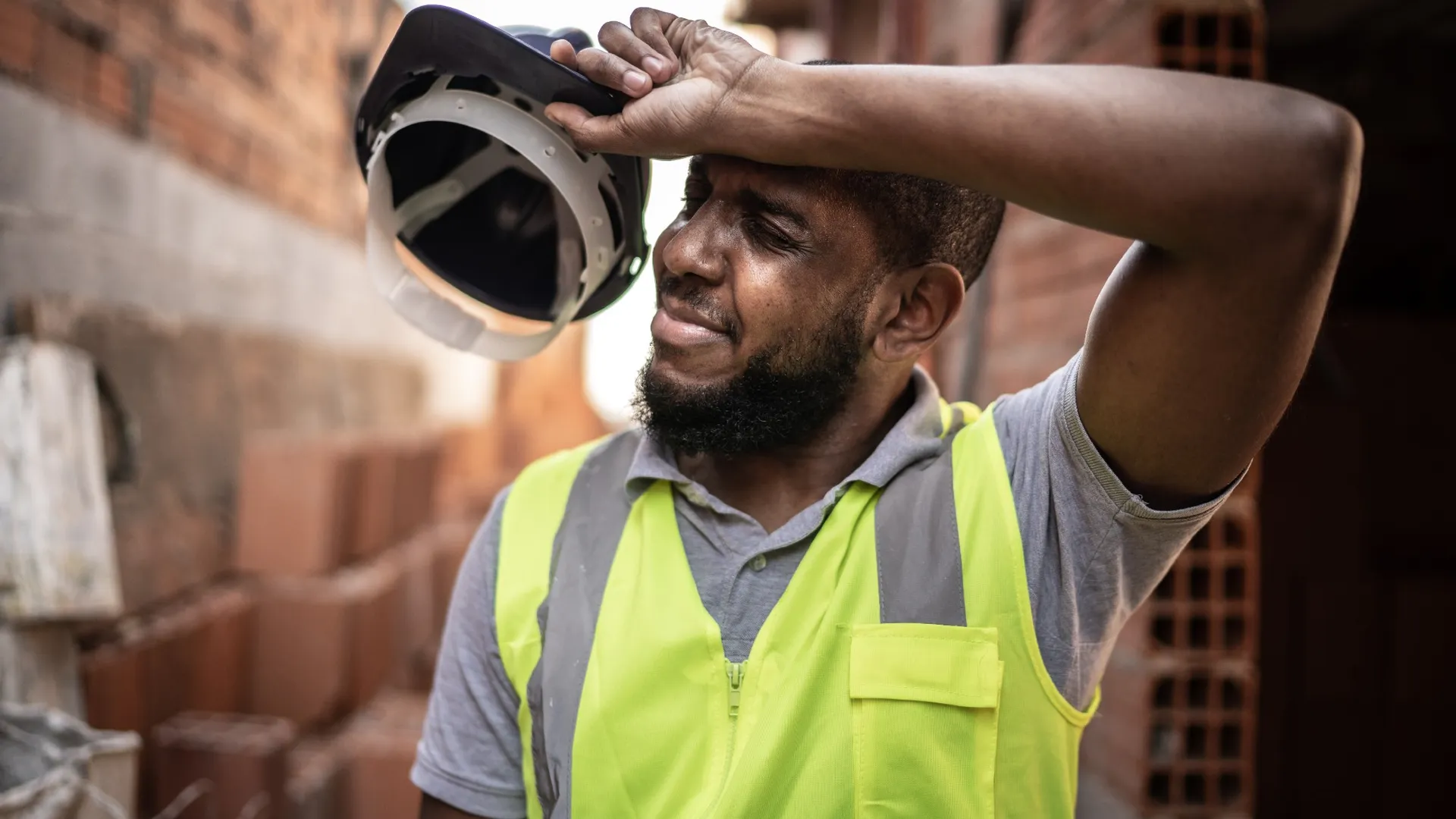
    Summertime heat can take a deadly toll on workers, especially in the era of climate change. The Biden administration initiated rules to ensure that U.S. companies provide their employees with breaks to hydrate and recover while laboring in warm temperatures. Now the Trump administration and Republicans in Congress are looking to roll back those protections.

    ‘Trump will cause some of you to die’
    Heat causes “hundreds of workplace deaths” every year, but the Trump administration is rewriting rules that “mandate breaks and access to water and shade for workers,” said The New York Times. The details are still unknown, but already the Occupational Safety and Health Administration (OSHA) is “curtailing workplace inspections” that were designed to “raise awareness of heat-related illnesses.”

    A House committee last month approved a bill that would block the Labor Department “finalizing any worker protections for extreme heat,” said E&E News. The Biden-era rule solves a “problem that doesn’t need solving,” Rep. Mark Messmer (R-Ind.) told the outlet. Some workers disagree. “We didn’t sign up for the heat to become as severe as it is,” Trina David, a baggage handler at Phoenix Sky Harbor International Airport, said to the Times.

    “Trump will cause some of you to die from the heat,” Robert Reich said on Substack. Countless workers toil “under the hot sun, or in stifling warehouses, or in delivery trucks with no AC,” which can “trigger heat stroke, organ failure and chronic kidney disease.” 

    The Biden-era rules had a “benevolent paternalism” to them, Matthew Kahn said at Environmental and Urban Economics. But workers possess a “degree of choice over where they live and work” and “what job they take,” Kahn and Joseph Tracy said at the American Enterprise Institute. 

    ‘Deadly trade-offs’
    For many workers, the twin trends of “high temperatures and high inflation” are creating a “crisis that rarely makes headlines,” Sharon Block and Dr. Satchit Balsari said at USA Today. Rising prices force cash-strapped workers to choose between paying for “food, rent and healthcare” or the electricity needed to “cool off during their off-hours.” The combination of low wages, increased costs and poor protections is forcing workers into “deadly trade-offs.”


    Statistic of the day

    5,400 mph: The speed at which a four-ton piece of a discarded SpaceX rocket crashed into the moon, in a collision that “poses no danger to Earth but was expected to blast out a new lunar crater,” said The Guardian. The object is part of the “SpaceX Falcon 9 rocket that had launched two commercial lunar landers.”


    THE EXPLAINER

    School supplies are causing financial stress

    Back-to-school season is in full swing across parts of the U.S., and many American families are feeling an extra pain in their wallets from buying school supplies. The cost of these supplies ebbs and flows over the years, but economists say 2026 is an especially difficult year for buying new pencils or glue sticks — and families may not feel relief in the near future.

    How much have school supply costs increased?
    The “price of a typical school supply list has increased 7.7% over the past year, with some essentials seeing much larger jumps,” according to an analysis from progressive think tanks The Century Foundation and Groundwork Collaborative. The highest spike was among lunch boxes, which had a 26.8% year-to-year jump. In total, families will pay about $175 more on school items in 2026.

    The spike in school supplies isn’t entirely new. The average “school supply list costs about 34% more than it did 10 years ago,“ said WWL-TV. Combined with the rising cost of food, the average U.S. household will spend about $4,000 this year between school supplies and school lunches, the think tanks said. 

    Why have school supplies become so expensive?
    The White House’s tariffs “on a range of imports have driven up the price of binders, pencils and other school supplies,” said CBS News. Newell Brands, the makers of supplies including Sharpie, Paper Mate and Elmer’s glue, announced they’d be implementing price increases to offset the tariffs.

    Beyond the tariffs, other “school supply companies also blame higher energy costs due to the Iran war for having to raise their prices,” said CBS. ACCO, the parent brand of Mead and Trapper Keeper, has said that “higher oil prices stemming from the conflict have driven up the company’s costs and led to price hikes for consumers.” 

    Many parents are “searching their local back-to-school fairs for supplies or seeking out backpack giveaways and school supply distributions” to lessen the burden,” said The 19th. Others are “working more over the summer to cover increased costs.”


    Good day 🌌

    … for Welsh “Star Wars” fans. The beloved space adventure has been dubbed into Welsh for the first time as the “classic film prepares to celebrate its 50th anniversary next year,” said the BBC. The translated version of “Episode IV — A New Hope” will be broadcast on Welsh-language broadcaster S4C and its platforms on Christmas Day.


    Bad day 🥾

    … for clout chasers. Malaysia’s government is bolstering its hiking rules due to a social media trend that has left “increasing numbers of adventurers needing to be rescued,” said The Guardian. Creators in the outdoor influencer community have popularized “compressed hikes,” or shortened versions of demanding hikes. They will now need to be led by a guide in high-risk locations.


    Picture of the day

    Paying respects

    A girl watches as Palestinians gather for a mass funeral for 112 members of the Abu Sharia and Hassayna families in Gaza City. The remains were recently recovered from beneath the rubble of a building flattened by an Israeli airstrike in November 2023.
    Mohammed Saber / EPA / Shutterstock


    Puzzles

    Daily sudoku

    Challenge yourself with The Week’s daily sudoku, part of our puzzles section, which also includes guess the number

    Play here


    The Week recommends

    The return of a few standout TV shows this month

    August might be a time to say goodbye to the slow-paced days of summer and get the kids ready to return to school. But it is also when viewers will get to say hello to some intriguing new and returning TV shows.

    ‘Ted Lasso’ season 4
    The return of the heartwarming Apple TV+ dramedy was unexpected, as the third season felt like its last. In season 4, the titular American dispenser of folksy wisdom, played by Jason Sudeikis (pictured above), heads back to the U.K. It “promises fan-pleasing reunions,” as well as a “compelling new squad to cheer for from the stands (well, sofaplexes),” said Jordan King at Empire. (Aug. 5 on Apple TV+)

    ‘Adults’ season 2
    The first season of “Adults,” which premiered in 2025, stood out among a slew of Gen Z hangout series that seemed stewed in the same lab. The series, with its second season, continues to entertainingly put a “generational lens on the wins, losses and humiliations of being in your twenties,” said Denise Petski at Deadline. (Aug. 27 on Hulu)

    ‘Dark Matter’ season 2
    Season one of the Chicago-set series was one of the unheralded triumphs of 2024. Joel Edgerton (“Train Dreams”) plays Jason Dessen, a physicist who worked on a box that can transport people to different versions of their own universe. The series, having exhausted novelist Blake Crouch’s source material, “will move from themes of regret and reunion to survival and fulfillment,” said Michael Ahr at Den of Geek. (Aug. 28 on Apple TV+)

    Read more


    Poll watch

    Many Americans (40%) believe it is extremely or very important for children growing up in the U.S. to learn a language other than English, according to a Pew Research Center survey of 3,507 adults. More than half (53%) think it is highly important for schools to offer Spanish classes, specifically.


    INSTANT OPINION

    Today’s best commentary

    ‘State corrections policy must do better than more of the same’
    Brian Koehn at The Hill
    Whether candidates “campaign on it or not, corrections is government’s responsibility,” and “governors cannot pretend it belongs to someone else,” says Brian Koehn. Governors “oversee systems that consume major public dollars, employ thousands of correctional professionals and decide whether people return home better prepared for the outside world or more damaged.” As “voters listen to candidates talk about freedom and safety, they should ask what candidates will do about correctional systems already under their authority.”

    ‘Sophie Cunningham’s actions speak far louder than her words’
    Jason Page at MS NOW
    There are “those looking to legitimately protect the safety of girls and women in sports and those looking to use the issue to demonize the transgender community,” and Indiana Fever guard Sophie Cunningham’s “actions, more than her words, appear to put her far closer to the latter,” says Jason Page. Cunningham “claims to love everybody.” But in “choosing to pose for postgame photos on Sunday with outspoken trans critic Riley Gaines,” one “could easily wonder if Cunningham is telling us a different story.”

    ‘The cure for Russia’s labor shortage is worse than the disease’
    Samuel Bendett and Maria Snegovaya at Foreign Policy
    Among the “various challenges that Russia has faced since its ill-conceived full-scale invasion of Ukraine, one of the most acute has been a severe labor shortage,” say Samuel Bendett and Maria Snegovaya. Russia’s “deepening demographic crisis” combined “with mass emigration” has “sharply exacerbated the problem.” The Kremlin’s “response has rested on three pillars: mobilizing underutilized domestic labor, expanding prison labor and increasing labor migration.” But “each proves to be either insufficient or self-defeating.”


    WORD OF THE DAY

    friendbombing

    A pattern of intense attention and affection in a platonic friendship, similar to being romantically lovebombed. Friendbombing might look like a “constant stream of messages, unwavering availability, excessive compliments or gifts or an immediate expectation of emotional closeness,” said Vogue. The intensity “far outpaces the natural rhythm of getting to know someone.”


    Evening Review was written and edited by Theara Coleman, David Faris, Scott Hocker, Anya Jaremko-Greenwold, Justin Klawans, Joel Mathis, Summer Meza, with illustration by Stephen Kelly.

    Image credits, from top: Illustration by Stephen P. Kelly / Getty Images / Shutterstock; FG Trade / Getty Images; Brandon Bell / Getty Images; Universal Television / Apple TV / Alamy
     

    Recent editions

    • Morning Report

      Democratic voters’ split decision

    • Evening Review

      America’s dwindling missile stockpile

    • Morning Report

      Pirro in trouble with Trump

    VIEW ALL
    TheWeek
    • About Us
    • Contact Future's experts
    • Terms and Conditions
    • Privacy Policy
    • Cookie Policy
    • Advertise With Us
    • FAQ
    Add as a preferred source on Google Add as a preferred source on Google

    The Week is part of Future US Inc, an international media group and leading digital publisher. Visit our corporate site.

    © Future US, Inc. Full 7th Floor, 130 West 42nd Street, New York, NY 10036.