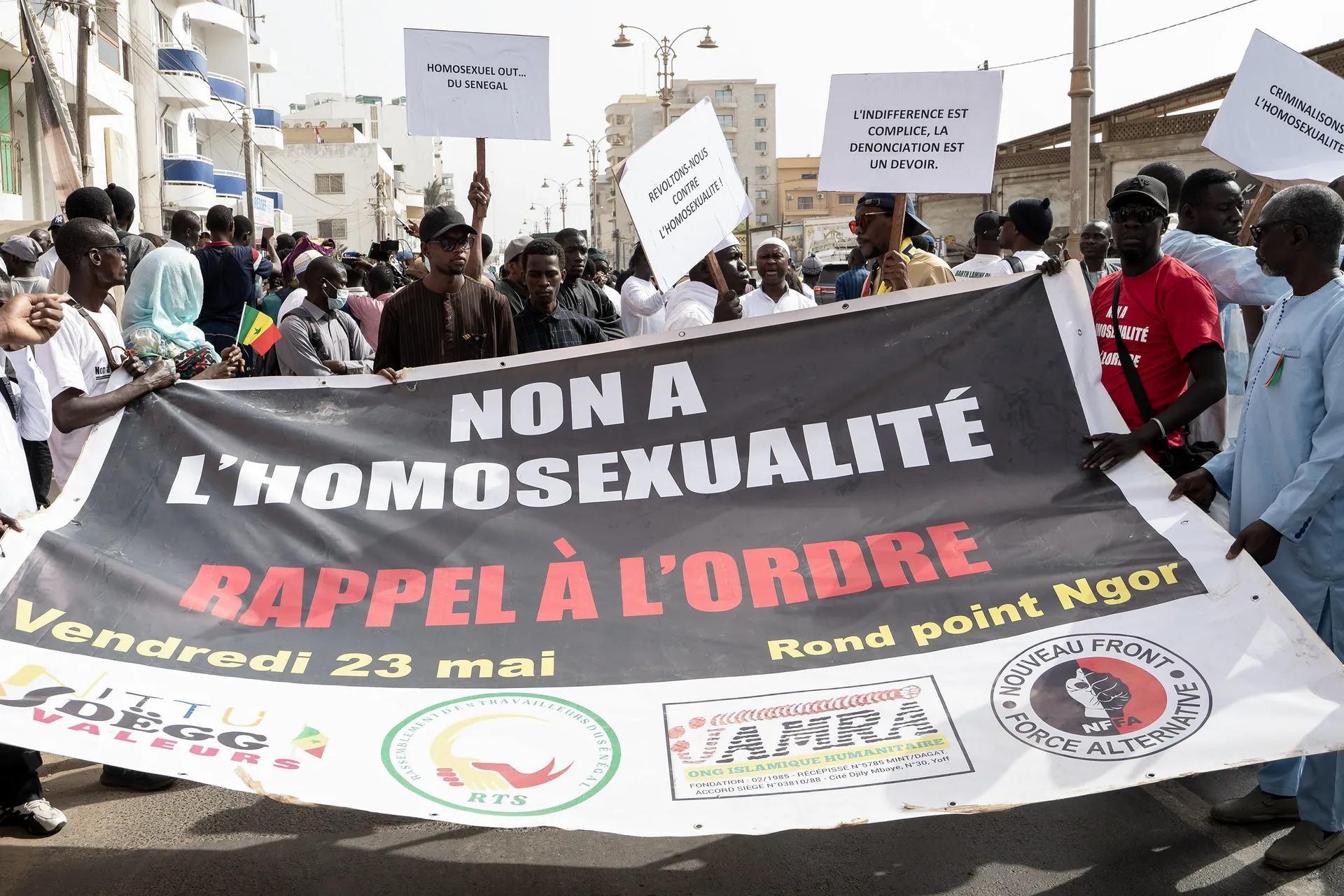
A wave of anti-LGBTQ+ legislation is growing across Africa, driven by political opportunism and rising anti-Western sentiment and fueled by American far-right groups. Several African countries, most recently Senegal, have introduced or intensified anti-LGBTQ+ laws.
What’s the background?
In 2023, the first African Inter-Parliamentary Conference on Family Values and Sovereignty was hosted by Uganda. And many argue this forum has “influenced anti-LGBTQ+ laws” across Africa, said The Guardian.
Later that year, Uganda introduced “one of the world’s harshest anti-LGBTQ laws,” said Africa News with Agence France-Presse. It imposes life imprisonment for same-sex intercourse and the death penalty for “aggravated homosexuality,” which includes same-sex intercourse with minors or while HIV-positive. Uganda “set the tone,” and other countries “followed suit.”
Since then, three neighboring former French colonies — Burkina Faso, Mali and Niger — have tightened restrictions on same-sex relations. Today, 33 of Africa’s 54 countries criminalize LGBTQ+ people in “some form” — more than any other continental region, said the Human Dignity Trust.
What’s the latest?
Senegal has passed a new law to increase jail terms and penalties for what it calls “acts against nature.” The legislation reflects the “views of Senegalese people,” said the government, dismissing international criticism. Last week, 71 men were arrested and charged with “unnatural acts.”
In June, Ghana’s parliament voted to pass “one of Africa’s most draconian anti-LGBTQ+ bills,” said openDemocracy. Same-sex relations were already criminalized, but this bill sets prison terms for “promoting” them. If signed into law, it will make identifying as LGBTQ+ “punishable by up to three years in prison.”
What’s driving the shift?
The stricter laws are “encouraged by conservative figures” in the U.S. and Europe, said Reuters. LGBTQ+ people are “scapegoats” used to “deflect attention from thorny subjects” or rising discontent, said one activist to Africa News.
The shift is also linked to rising anti-Western sentiment across former colonies, particularly where military juntas have seized power. “Proponents of so-called African ‘family values’ have long portrayed the issue as a religious and moral concern,” said openDemocracy. But now they are “increasingly recasting it as part of Africa’s fight against neo-colonialism.” |