The Week The Week
flag of US
US
flag of UK
UK
https://cdn.mos.cms.futurecdn.net/flexiimages/jacafc5zvs1692883516.jpg

SUBSCRIBE & SAVE

Less than $3 per week

Sign in
  • View Profile
  • Sign out
  • The Explainer
  • The Week Recommends
  • Newsletters
  • Cartoons
  • From the Magazine
  • The Week Junior
  • Student Offers
  • More
    • Politics
    • World News
    • Business
    • Health
    • Science
    • Food & Drink
    • Travel
    • Culture
    • History
    • Personal Finance
    • Puzzles
    • Photos
    • The Blend
    • All Categories
  • Newsletter sign up Newsletter
  • The Week Evening Review
    World Liberty’s new status, Panama Canal cuts, and a new narcolepsy drug

     
    in the spotlight

    The Trump family is poised to own a crypto bank

    Treasury Department regulators have granted World Liberty Financial, the Trump family-linked cryptocurrency enterprise, conditional approval to begin operating as a federally chartered trust bank. The status change provides “new powers and federal credibility” to an enterprise in which the Trump family retains a “substantial financial interest,” said Politico. But the prospect of Trump administration officials clearing a regulatory path for the president’s family businesses has many Democrats and ethics groups warning against corruption on a massive scale.

    ‘Pretty unprecedented’ 
    The preliminary approval for the Trump family’s “flagship crypto venture” allows World Liberty to “issue, redeem and safeguard USD1,” the “dollar-backed stablecoin” introduced by the firm last year, said The Wall Street Journal. USD1 is currently “custodied” with financial services provider BitGo and has a market value of “about $4 billion.” 

    After relying on BitGo’s third-party services to “provide a stable digital currency,” World Liberty can “cut out the middleman and provide the service directly,” said ABC News. This marks the “first time in U.S. history” that a business “owned by the sitting president’s family has been granted bank status.”

    The arrangement is “pretty unprecedented,” said Austin Campbell, a professor at New York University’s Stern School of Business, to CBS News. There’s now an “awkward situation” in which the Treasury Department’s Office of the Comptroller of the Currency (OCC) will need to “police” World Liberty.

    World Liberty “won’t be able to take deposits or make loans,” said CNN. But moving forward, “corporations and foreign actors” will have a “new way to stealthily curry favor” with the White House.

    ‘Brazen act of self-dealing’
    Donald Trump is now the first-ever president to “approve, operate and supervise his own bank” in the “most brazen act of self-dealing our financial system has ever seen,” said Sen. Elizabeth Warren (D-Mass.) in a statement. She and a group of Democratic Senators have introduced the Ending Presidential Corruption in Banking Act, a bill that would ensure no high-ranking government official or their families can “exploit their positions to own or control a bank.” Democrats will “likely probe the OCC’s approval of the World Liberty bank charter” should the party “regain control of Congress” in the coming year, said Politico.


    Statistic of the day

    $17.1 billion: The amount that Meta has agreed to pay in a landmark settlement with 47 states, D.C. and U.S. territories over claims that the social media giant misrepresented the “extent of child-related mental health harms” caused by apps like Facebook and Instagram, said CNBC. The penalties include usage limits and “nighttime blocks” for teenagers.


    today’s big question

    How could Panama Canal cuts affect the world economy?

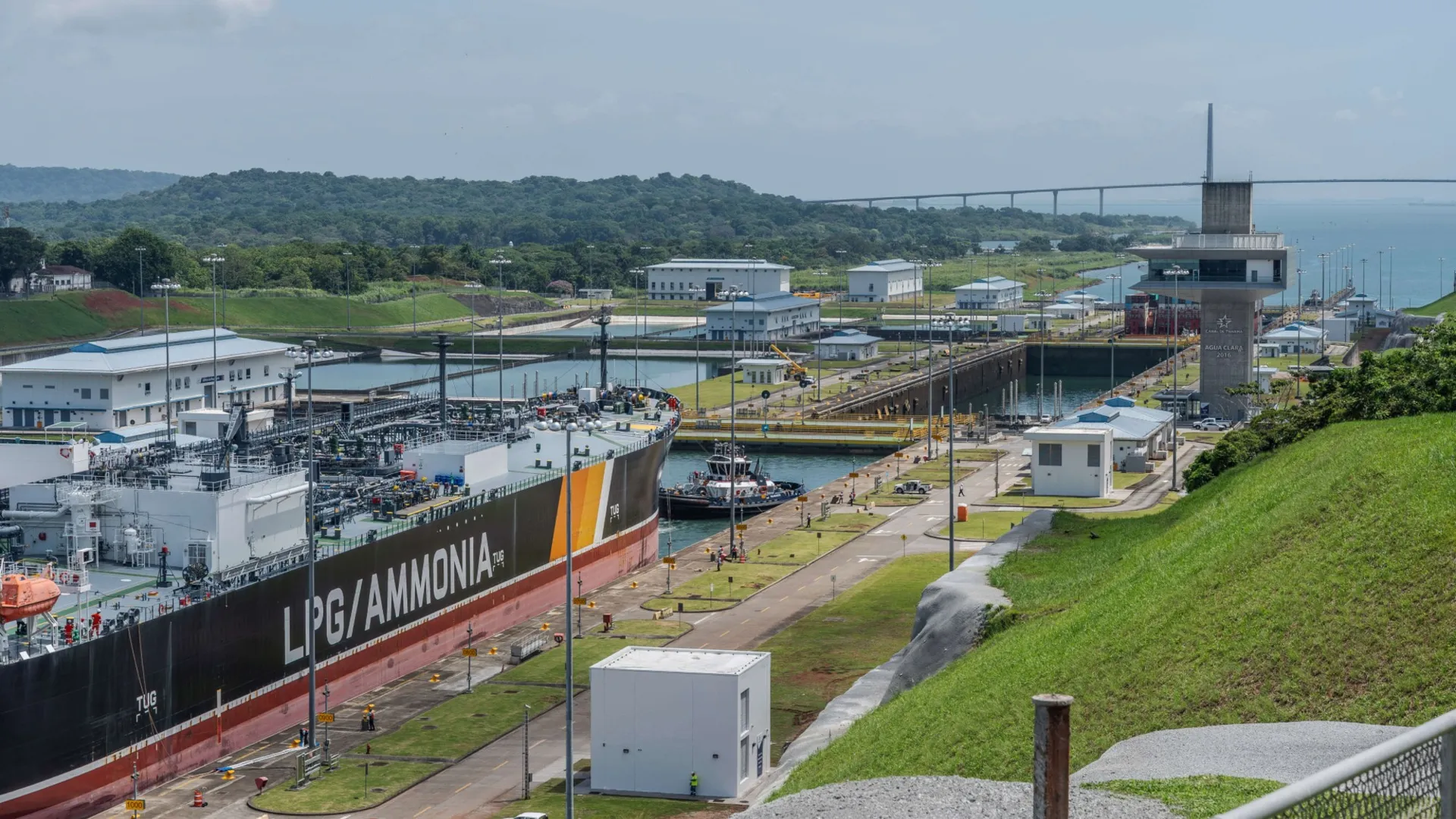
    A significant drought in Panama caused by the El Niño weather pattern has forced the Central American country to slash the number of vessels it lets through its major canal. And the reduced flow of goods through one of the world’s most consequential shipping lanes could create a ripple effect that shakes the global economy.

    What did the commentators say?
    Starting on Sept. 15, the Panama Canal Authority will let 32 ships pass through the canal’s locks daily — a drop from the 36 it currently allows. This represents a major change for a “critical chokepoint that moves about 5% of the world’s shipping,” said CNN. The U.S. is the canal’s “biggest user.” About “70% of all the goods moving through it are coming to or going from the U.S.”

    These reductions are necessary because the Panama Canal “relies on fresh water to operate its locks and has had less rain than normal” in recent years, said the Financial Times. The coming El Niño, when “surface temperatures in the Pacific Ocean rise, potentially causing severe drought and warmer winters, could be one of the most intense ever.” 

    The shift in the number of vessels could result in higher prices for consumers in the U.S. and globally, according to experts. While some ships may “wait to transit to avoid the higher fees, those carrying more time-sensitive cargo are likely to take the plunge and pay the steep transit prices, driving up the price of those goods,” said CNN.

    What next?
    The shipping reductions are just the Panama Canal’s latest in a line of “other water conservation measures,” said The Guardian. The canal itself could also turn into a hindrance for vessels, as officials said that with the “upcoming reduction, waiting times for ships trying to get through without making a reservation beforehand will increase.”

    Shipping companies have already been “preparing for possible disruptions,” said the Financial Times, with many taking drastic measures to get ahead of the cuts. For ships that don’t make reservations to pass through, officials typically issue several extra slots via auction. At least one ship “paid a staggering $4 million to fast-track its trip,” said CNN.


    QUOTE OF THE DAY

    ‘AI will either be the greatest equalizer ever invented or the worst source of injustice.’

    Microsoft co-founder Bill Gates in a nearly 6,000-word essay titled “The turbulent AI era is here. The choices we make are critical.” He predicts the transition to the “new AI era” will be “one of the most turbulent times in human history.”


    THE EXPLAINER

    Orexins: the brain’s potential Ozempic moment

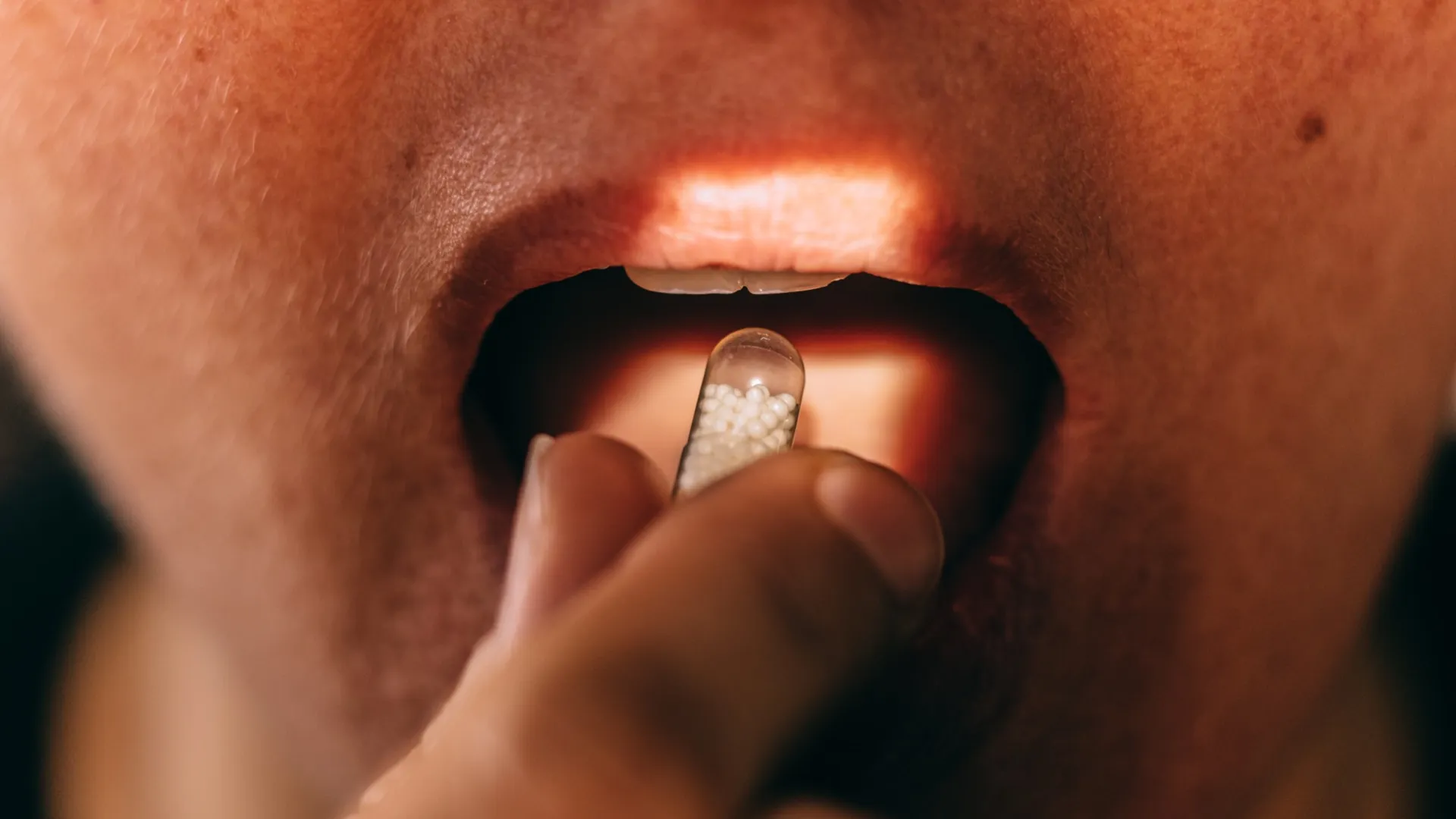
    A new generation of drugs could transform the lives of people affected by narcolepsy and form the basis of future treatments for other neuropsychiatric disorders, including ADHD and depression. The Food and Drug Administration has approved oveporexton (brand name Orzeyful), the first orexin-agonist treatment for narcolepsy. 

    But the “excitement is not just about narcolepsy,” said The Economist. Drugmakers are “betting” that orexins could “follow a similar path” to semaglutide (like Ozempic) and tirzepatide (like Mounjaro), the GLP-1 receptor agonists initially developed as diabetes medication before their wider applications were unlocked.

    What are orexins?
    Peptides (chains of amino acids) produced in the brain carry messages between neurons relating to the body’s sleep-wake system, as well as reward and motivation. These cells seem to die off in people with narcolepsy type 1. This means their brains lose the “ability to control” when their body sleeps, said Time.

    How do orexin agonists work?
    In 2011, researchers at Japanese pharmaceutical company Takeda found a chemical compound that turned the orexin receptor off and could therefore become a treatment for insomnia. But the “bigger prize may lie not in blocking orexin’s signal but restoring it,” said The Economist. Oveporexton, also developed by Takeda, “activates the orexin pathway” and “restores the brain’s ability to remain alert,” said Time.

    Narcoleptic volunteers who took oveporexton in a clinical trial were able to stay awake up to 25 minutes longer than those who hadn’t taken it and also had fewer episodes of cataplexy, loss of muscle control, hallucinations and irregular sleep. “It was the first time I felt somewhat alive in the last 10 years,” said one 19-year-old trial participant to Nature. “It’s the best thing that has ever happened to me.”

    What might the future hold?
    Around 1 in 2,000 people in the U.S. and Western Europe suffer from narcolepsy. Orexin-agonist-based medicines for narcolepsy and other sleep disorders could generate $15.9 billion a year by 2035, according to Morgan Stanley estimates.

    And oveporexton’s success “opens the door to the use of orexin-mimicking drugs for other conditions associated with low levels of the chemical,” such as ADHD and depression, said Smithsonian Magazine. This is “just the beginning,” said Andy Plump, Takeda’s president of research and development to the outlet.


    Good day 🏃🏽

    … for short workouts. A run or similarly intense exercise lasting 20 minutes could be just as effective in countering the impact of sleep deprivation, such as memory loss, as a 90-minute nap, according to a study published in the journal PNAS. Exercise is a “promising tool” to “stay sharp for those working night shifts or struggling with insomnia,” said The Times.


    Bad day 📚

    … for long reads. Middle and high school English teachers are assigning “book excerpts and other short-form texts instead of novels,” said The Washington Post. The trend has “sparked online debates” and “inspired proclamations that literacy is dead.” Researchers have found that “entire books are being sidelined” due to “pressure to prepare students for standardized testing, budget cuts and time constraints.”


    Picture of the day

    Washed away

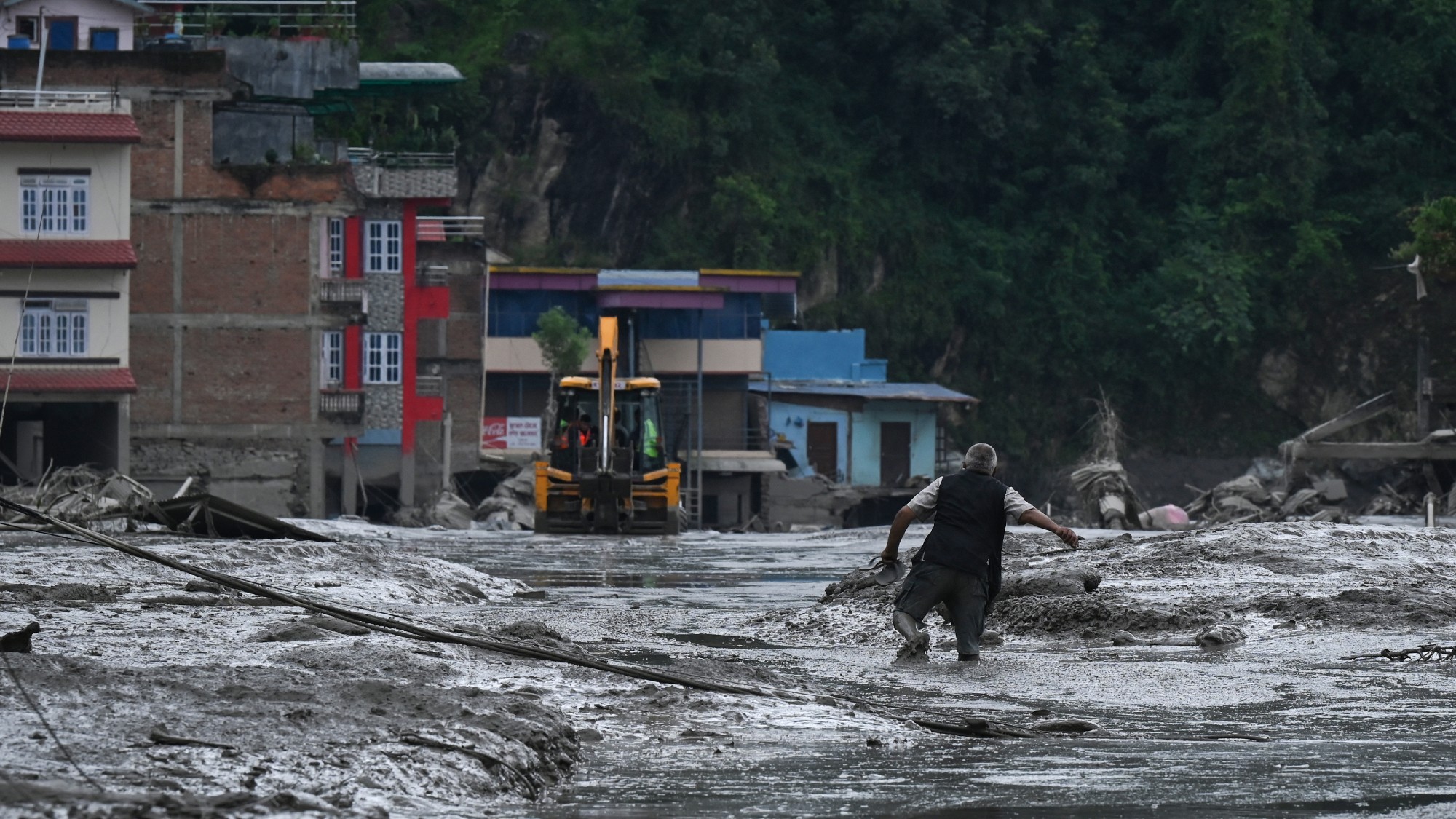
    A resident walks along a street in Devghat, Nepal, after a mudslide on the Himalayan border triggered catastrophic flash flooding in Nepal and China. At least 160 people have died, and hundreds more are missing, including at least 47 American tourists. 
    Prakash Mathema / AFP / Getty Images


    Puzzles

    Daily sudoku

    Challenge yourself with The Week’s daily sudoku, part of our puzzles section, which also includes guess the number

    Play here


    The Week recommends

    The best movies ever made about sports

    TKFilmgoers love sports movies for the same reason that networks linger on players celebrating championships after the big game and then cut to the losers to capture their heartbreak: Sports narratives are innately moving. These superb dramas keep audiences riveted because they are about much more than winning or losing.

    ‘Bang the Drum Slowly’ (1973)
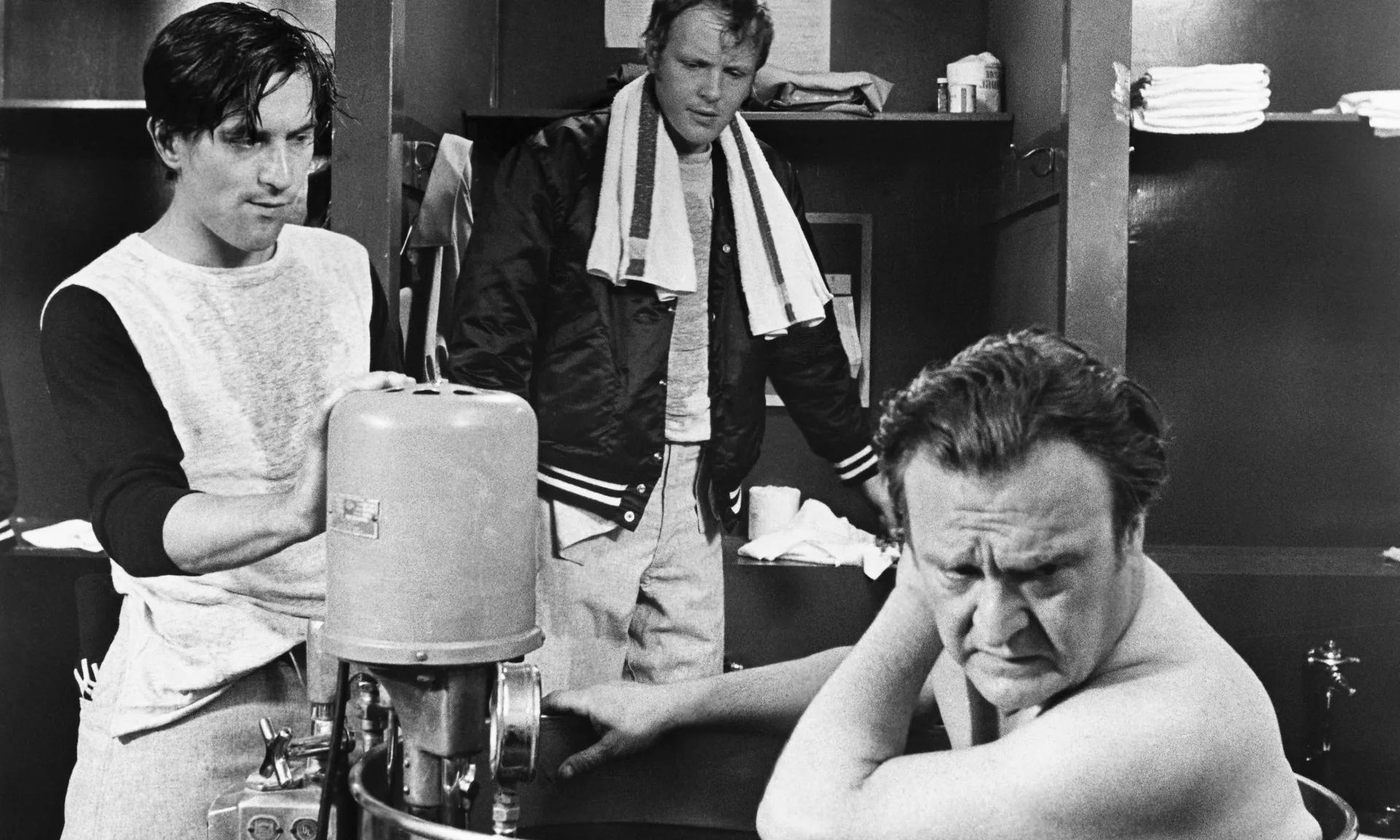
    John D. Hancock’s largely forgotten “Bang the Drum Slowly” (pictured above) is the story of a friendship between New York Mammoths star pitcher and his unsophisticated catcher. The film’s “mixture of fatalism, roughness, tenderness and bleak humor” hit home despite the lack of “telegraphed big moments on the field,” said Roger Ebert at the time. (Prime Video)

    ‘Moneyball’ (2011)
    A movie about the data analytics revolution in baseball is an unlikely contender for one of the best sports movies, but director Bennett Miller’s take on Michael Lewis’ 2003 book gets it done. Featuring a “sharp, sleek script,” it is as much about a “fundamental cultural shift and the rise of the information elite” as it is about baseball, said Manohla Dargis at The New York Times. (Netflix)

    ‘The Fire Inside’ (2024)
    Ryan Destiny anchors “The Fire Inside” as Claressa Shields, the two-time Olympic gold-winning boxer from Flint, Michigan, and her coach, Jason Crutchfield (Brian Tyree Henry). It asks a question rarely posed in sports films: “If you don’t come from privilege, what happens when you fight your way to the top, only to realize that it looks a lot like where you started?” said Alissa Wilkinson at The New York Times. (MGM+)

    Read more


    Poll watch

    Far-right leader Marine Le Pen is projected to win 35% to 38% of the first-round vote in France’s presidential election next year, according to a Toluna Harris Interactive survey of 1,700 French adults. However, support for the far-left’s Jean-Luc Mélenchon has risen from 12% in April to between 16% and 17%, making him her most likely second-round opponent.


    INSTANT OPINION

    Today’s best commentary

    ‘Are US black ops targeting boats in the Galapagos?’
    The Dallas Morning News editorial board
    Attacks on fishing boats off the coast of Ecuador earlier this year are “surrounded by mystery and unanswered questions,” says The Dallas Morning News editorial board. The “evidence is scarce, but it’s enough for Congress to start asking questions.” Who ordered “these attacks and to what end”? If there’s “indeed some sort of black ops targeting fishermen with no accountability, it will mark another stain in a long, bad history of U.S. intervention in Latin America.”

    ‘Sports medicine must get better at treating women’
    Ashley Austin at Newsweek
    Even as “more eyes turn to women’s sports and female athletes surge in popularity, there’s still a great deal that sports medicine doctors don’t know about actually treating women,” says WNBA doctor Ashley Austin. Americans need “increased investment in women’s sports science not just to improve outcomes for elite athletes but to improve care for women and girls across the healthcare system.” Doctors should learn to “provide care that’s truly based on evidence specific to women’s anatomy and physiology.”

    ‘My road trip revealed the good and the bad that hold America together’
    LZ Granderson at the Los Angeles Times
    There’s a “commonality I saw on my drive across America: homelessness,” says LZ Granderson. Americans “like to tell ourselves it’s a California problem, a Chicago problem — something that happens in big blue states.” But of the states “I drove through, all but one were red.” We are “teaching the next generation that, in the richest country that has ever existed, it’s acceptable that some people are reduced to huddling in storefront entryways overnight.”


    WORD OF THE DAY

    thylacine

    An extinct species of carnivorous marsupial, also known as the Tasmanian tiger. A taxidermied “fox head” bought for $68 has turned out to be an exceptionally rare preserved thylacine, selling for $82,000 after experts authenticated it, said The Times. Only a few hundred specimens of Australia’s most mysterious lost predators remain, the “last of which died in 1936.”


    Evening Review was written and edited by Theara Coleman, Nadia Croes, David Faris, Scott Hocker, Anya Jaremko-Greenwold, Justin Klawans, Harriet Marsden and Rafi Schwartz.

    Image credits, from top: Spencer Platt / Getty Images; Walter Hurtado / Bloomberg / Getty Images; Guido Mieth / Getty Images; Bettmann / Getty Images
     

    Recent editions

    • Morning Report

      Canada strikes back

    • Evening Review

      Democrats reckon with ‘Woke 1.0’

    • Morning Report

      Supreme Court hands Trump mail voting win

    VIEW ALL
    TheWeek
    • About Us
    • Contact Future's experts
    • Terms and Conditions
    • Privacy Policy
    • Cookie Policy
    • Advertise With Us
    • FAQ
    Add as a preferred source on Google Add as a preferred source on Google

    The Week is part of Future US Inc, an international media group and leading digital publisher. Visit our corporate site.

    © Future US, Inc. Full 7th Floor, 130 West 42nd Street, New York, NY 10036.