Former Japanese Prime Minister Shinzo Abe dies after being shot

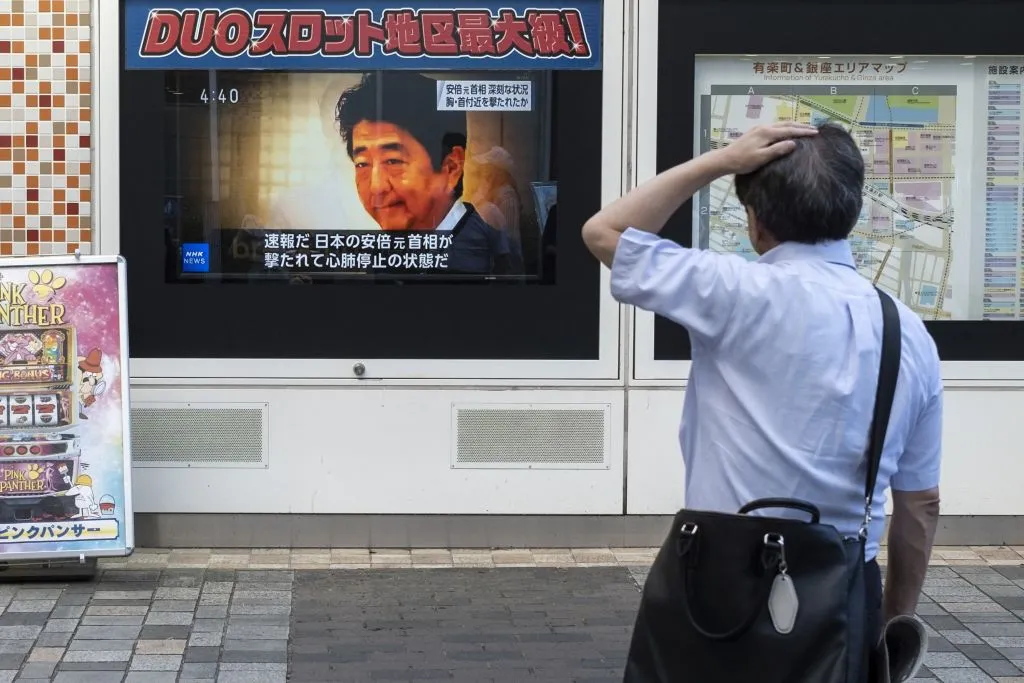
Shinzo Abe, Japan's longest-serving prime minister, has died from gunshot wounds, Japan's NHK and Kyodo News report. He was 67. Abe was shot with a handmade weapon on Friday while he campaigning for fellow a Liberal Democratic Party politician in Nara ahead of Sunday's elections for the upper house of Japan's parliament. He was rushed to the hospital with serious injuries to his neck and chest, Japanese media reported, and no vital signs.
"Although he resigned as prime minister in 2020, Abe remained popular and influential and was a staple on the campaign trail," The Washington Post reports. Police arrested a 41-year-old local, Tetsuya Yamagami, a former member of Japan's Maritime Self Defense Forces, and charged him with shooting Abe.
The Week
Escape your echo chamber. Get the facts behind the news, plus analysis from multiple perspectives.

Sign up for The Week's Free Newsletters
Join more than 350,000 subscribers and keep yourself informed with a selection of The Week’s most interesting, enlightening and entertaining stories - plus daily puzzles.
Join more than 350,000 subscribers and keep yourself informed with a selection of The Week’s most interesting, enlightening and entertaining stories - plus daily puzzles.


