Why is Trump threatening defense firms?
CEO pay and stock buybacks will be restricted

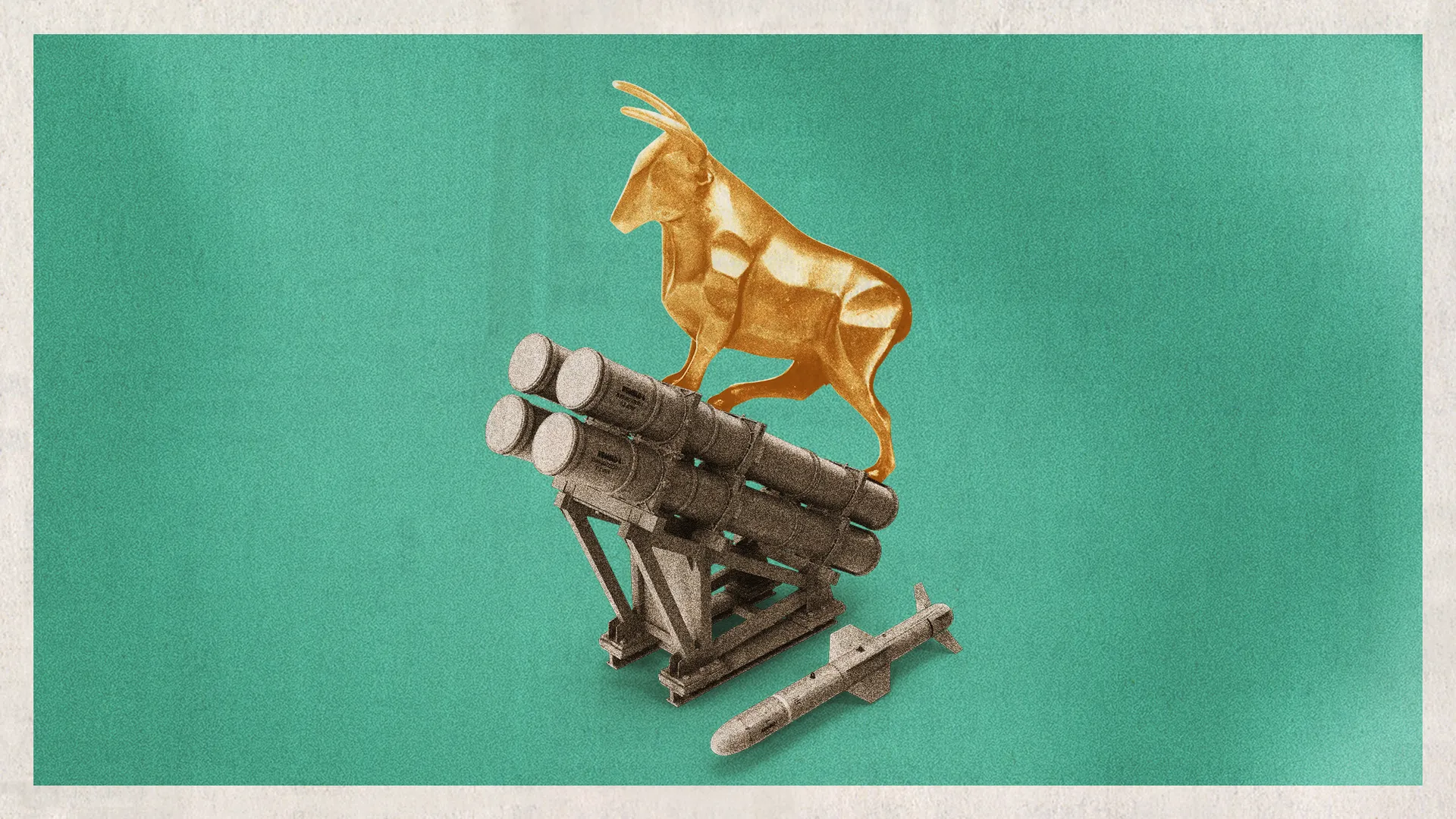
President Donald Trump giveth to defense contractors and he also taketh away. Trump says he wants a major boost in defense spending, which contractors undoubtedly welcome. But he has also ordered a crackdown on executive pay and stock buybacks at the companies that make armaments for the United States.
Trump’s financial threat against defense firms came just “hours before saying he’s decided to substantially increase the defense budget” to $1.5 trillion, said CNN. The U.S. makes the “best military equipment in the world,” the president said in a Truth Social post. But the taxpayer cash that ends up going to defense company stock buybacks comes at the “expense and detriment of investing in plants and equipment.” No executive at those firms should make more than $5 million a year, he said.
The Week
Escape your echo chamber. Get the facts behind the news, plus analysis from multiple perspectives.

Sign up for The Week's Free Newsletters
Join more than 350,000 subscribers and keep yourself informed with a selection of The Week’s most interesting, enlightening and entertaining stories - plus daily puzzles.
Join more than 350,000 subscribers and keep yourself informed with a selection of The Week’s most interesting, enlightening and entertaining stories - plus daily puzzles.
A wartime footing?
A market risk

-
-
 talking pointsA leadership power vacuum may await Republicans
 -
 QUOTE OF THE DAY‘What kind of culture looks at sexual violence and sees an opportunity for profit? This is rape culture. And it should disturb every single one of us.’
 -
 today’s big questionHow long can US consumers continue their spending spree?
-
-
-
talking pointsA leadership power vacuum may await Republicans
-
QUOTE OF THE DAY‘What kind of culture looks at sexual violence and sees an opportunity for profit? This is rape culture. And it should disturb every single one of us.’
-
today’s big questionHow long can US consumers continue their spending spree?
-