Celebrities threaten to sue Google for $100 million over stolen nude photos
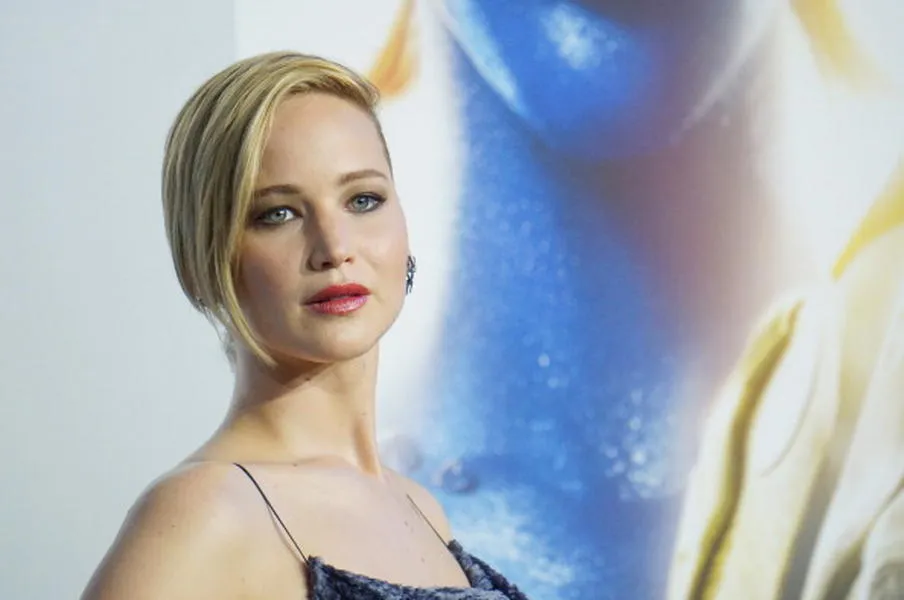
An attorney representing more than a dozen celebrities who had nude photos stolen from their iCloud accounts and posted online over the past several weeks sent Google a letter Wednesday threatening a $100 million lawsuit.
Lawyer Martin D. Singer argued that Google is exhibiting "despicable, reprehensible conduct in not only failing to act expeditiously and responsibly to remove the images, but in knowingly accommodating, facilitating, and perpetuating the unlawful conduct." He added that Google has not been removing the stolen photos fast enough, pursuant to the safe harbor provisions of the Digital Millennium Copyright Act, The Hollywood Reporter says.
The letter says that Twitter has complied with demands to take down the photos of actresses including Jennifer Lawrence, Kate Upton, Jenny McCarthy, and Kirsten Dunst, but "Google, one of the largest ISPs in the world, with vast resources and a huge support staff, generating multimillions of dollars in revenues on a daily basis, has recklessly allowed these blatant violations to continue in conscious disregard of our clients' rights."
The Week
Escape your echo chamber. Get the facts behind the news, plus analysis from multiple perspectives.
Sign up for The Week's Free Newsletters
From our morning news briefing to a weekly Good News Newsletter, get the best of The Week delivered directly to your inbox.
In a response to USA Today, Google said: "We've removed tens of thousands of pictures — within hours of the requests being made — and we have closed hundreds of accounts. The internet is used for many good things. Stealing people's private photos is not one of them."
Google added that the pictures are still continuously being uploaded, and people must notify the company by flagging content or filing copyright infringement requests in order to get them taken down.
A free daily email with the biggest news stories of the day – and the best features from TheWeek.com
Catherine Garcia has worked as a senior writer at The Week since 2014. Her writing and reporting have appeared in Entertainment Weekly, The New York Times, Wirecutter, NBC News and "The Book of Jezebel," among others. She's a graduate of the University of Redlands and the Columbia University Graduate School of Journalism.
-
Prince Harry’s court battle with ‘highly intrusive’ pressIn the Spotlight As the Duke of Sussex and other high-profile claimants begin their trial against Associated Newspapers, ‘the stakes for all sides are high’
-
Wellness retreats to reset your gut healthThe Week Recommends These swanky spots claim to help reset your gut microbiome through specially tailored nutrition plans and treatments
-
Climate change could lead to a reptile ‘sexpocalypse’Under the radar The gender gap has hit the animal kingdom
-
$300M lawsuit against Greenpeace has environmentalists on edgeIn the spotlight The organization says the future of advocacy and free speech is at risk
-
ABC News to pay $15M in Trump defamation suitSpeed Read The lawsuit stemmed from George Stephanopoulos' on-air assertion that Trump was found liable for raping writer E. Jean Carroll
-
Judge blocks Louisiana 10 Commandments lawSpeed Read U.S. District Judge John deGravelles ruled that a law ordering schools to display the Ten Commandments in classrooms was unconstitutional
-
ATF finalizes rule to close 'gun show loophole'Speed Read Biden moves to expand background checks for gun buyers
-
Hong Kong passes tough new security lawSpeed Read It will allow the government to further suppress all forms of dissent
-
France enshrines abortion rights in constitutionspeed read It became the first country to make abortion a constitutional right
-
Texas executes man despite contested evidenceSpeed Read Texas rejected calls for a rehearing of Ivan Cantu's case amid recanted testimony and allegations of suppressed exculpatory evidence
-
Supreme Court wary of state social media regulationsSpeed Read A majority of justices appeared skeptical that Texas and Florida were lawfully protecting the free speech rights of users