70 years after World War II, Russia still feels snubbed, The Economist explains

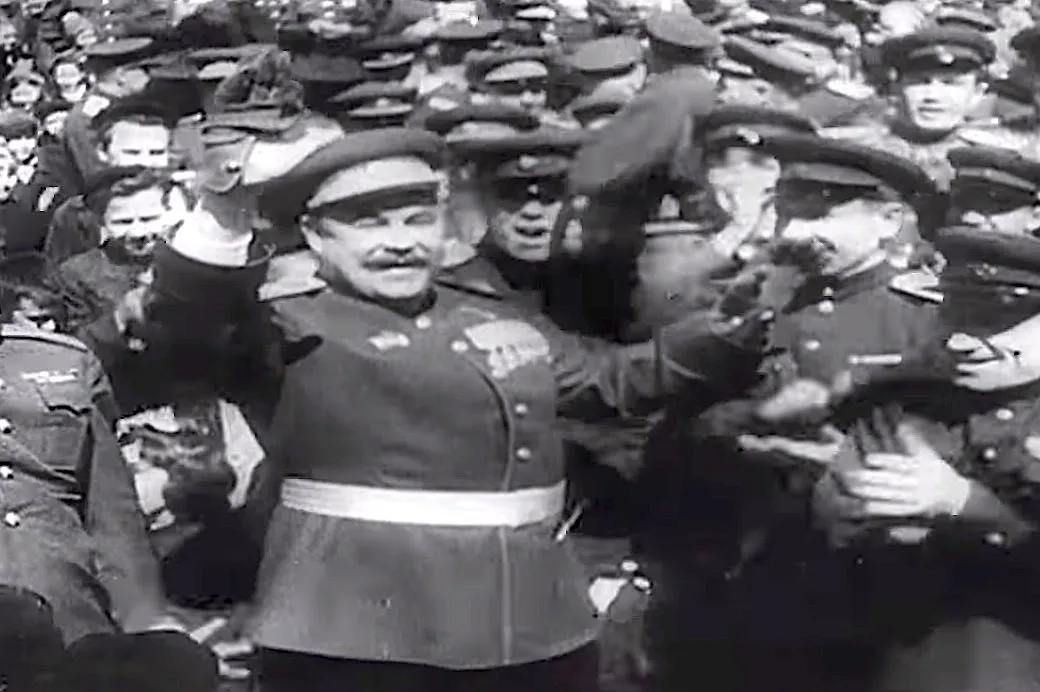
On Saturday, Russia celebrated its 70th Victory Day, marking Nazi Germany's surrender at the end of World War II. Russian President Vladimir Putin presided over a parade in Moscow full of Russian military might, including ICBMs and 16,000 marching soldiers. Missing? The leaders of the other Allied powers that helped defeat the Nazis — Britain, France, and the U.S. sent only minor dignitaries.
The leaders of India and China, United Nations Secretary General Ban Ki-moon, and several other heads of state were at the parade, but tensions over Russia's aggression in Ukraine kept many world leaders away. On Sunday, German Chancellor Angela Merkel laid a wreath at a Moscow war memorial with Putin, but Russians feel snubbed.
The Week
Escape your echo chamber. Get the facts behind the news, plus analysis from multiple perspectives.

Sign up for The Week's Free Newsletters
Join more than 350,000 subscribers and keep yourself informed with a selection of The Week’s most interesting, enlightening and entertaining stories - plus daily puzzles.
Join more than 350,000 subscribers and keep yourself informed with a selection of The Week’s most interesting, enlightening and entertaining stories - plus daily puzzles.

-
-
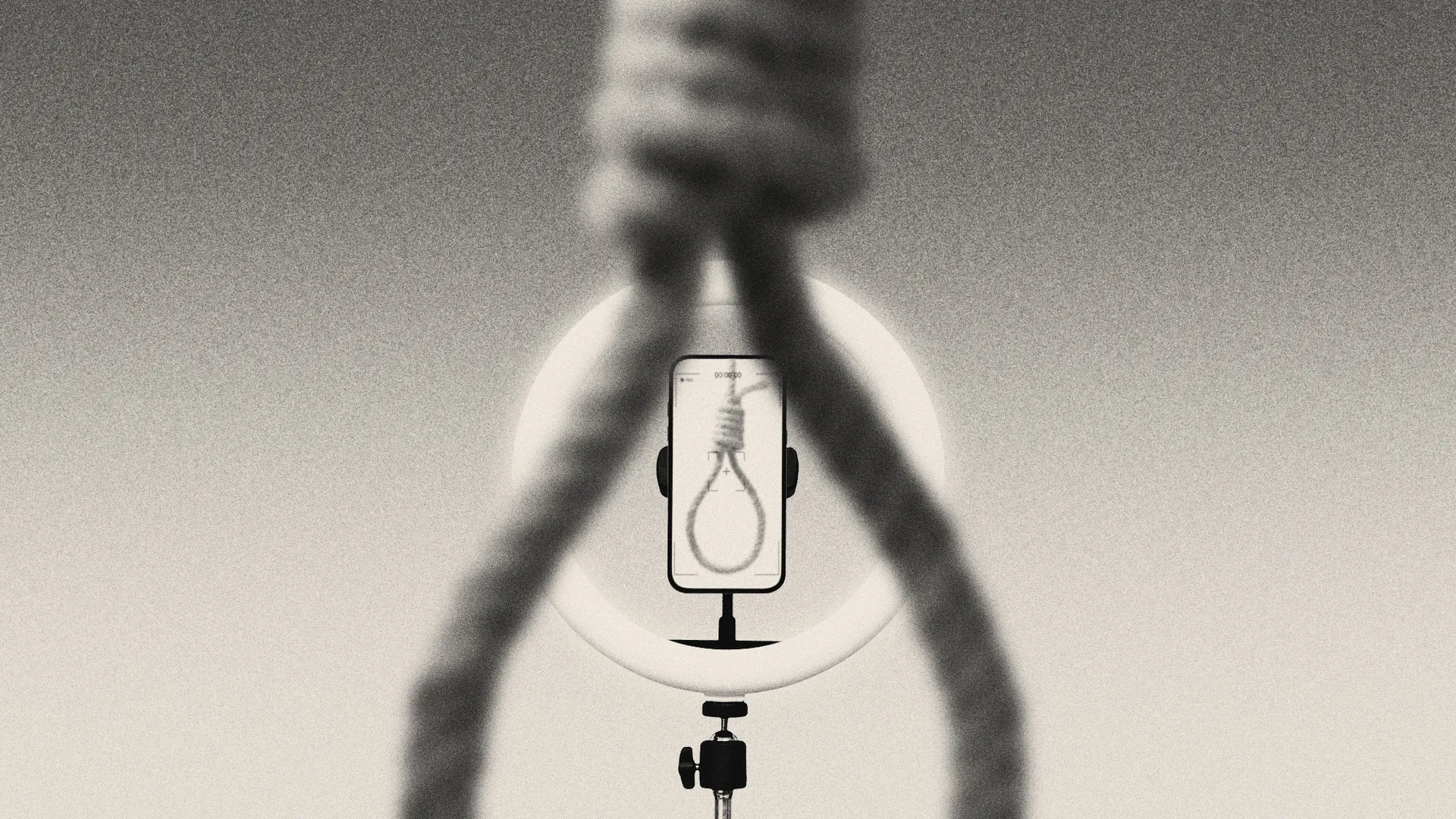 talking pointsLivestreaming an execution: cruelty or added deterrent?
 -
 QUOTE OF THE DAY‘You don’t get to take a man from his family. You don’t get to take his very life, his whole future from him, and just walk away from it. Especially when that man is Tupac Shakur.’
 -
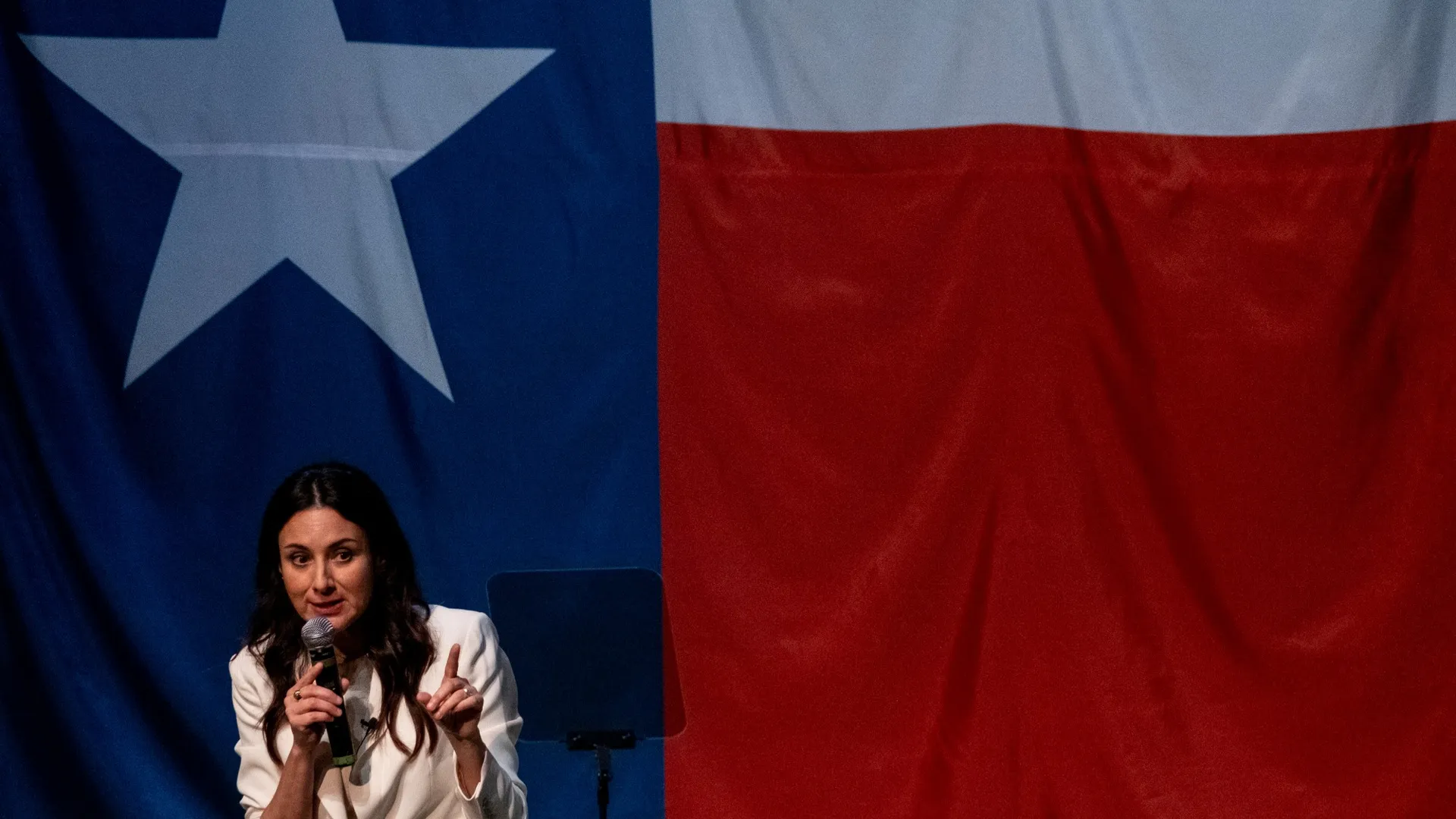 today’s big questionCan a Democrat win the Texas governor’s race?
-
-
-
talking pointsLivestreaming an execution: cruelty or added deterrent?
-
QUOTE OF THE DAY‘You don’t get to take a man from his family. You don’t get to take his very life, his whole future from him, and just walk away from it. Especially when that man is Tupac Shakur.’
-
today’s big questionCan a Democrat win the Texas governor’s race?
-