Would universal background checks have stopped the Kalamazoo shooter? Here's why it's not likely.

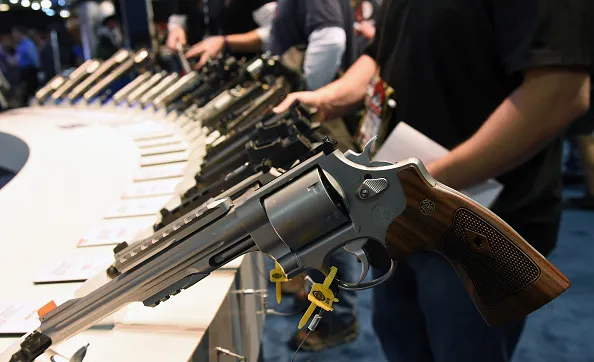
On Monday, President Obama implied that the gun control measures he proposes would have stopped the shooting in Kalamazoo, Michigan, which claimed six lives on Saturday. "Earlier this year, I took some steps that will make it harder for dangerous people, like this individual, to buy a gun," he said, "But clearly, we're going to need to do more if we're going to keep innocent Americans safe."
But if John Dalton, the suspect police apprehended, is indeed responsible for this tragedy, that's almost certainly not true. Dalton had no criminal or psychiatric record, meaning a universal background check like Obama wants to implement wouldn't have stopped him from buying weapons. A representative of the U.S. Bureau of Alcohol, Tobacco, Firearms, and Explosives (ATF) told the Associated Press that there was no evidence Dalton ran afoul of current gun ownership laws, either.
The Week
Escape your echo chamber. Get the facts behind the news, plus analysis from multiple perspectives.

Sign up for The Week's Free Newsletters
Join more than 350,000 subscribers and keep yourself informed with a selection of The Week’s most interesting, enlightening and entertaining stories - plus daily puzzles.
Join more than 350,000 subscribers and keep yourself informed with a selection of The Week’s most interesting, enlightening and entertaining stories - plus daily puzzles.
