The U.S. has turned its cyber-arsenal on ISIS

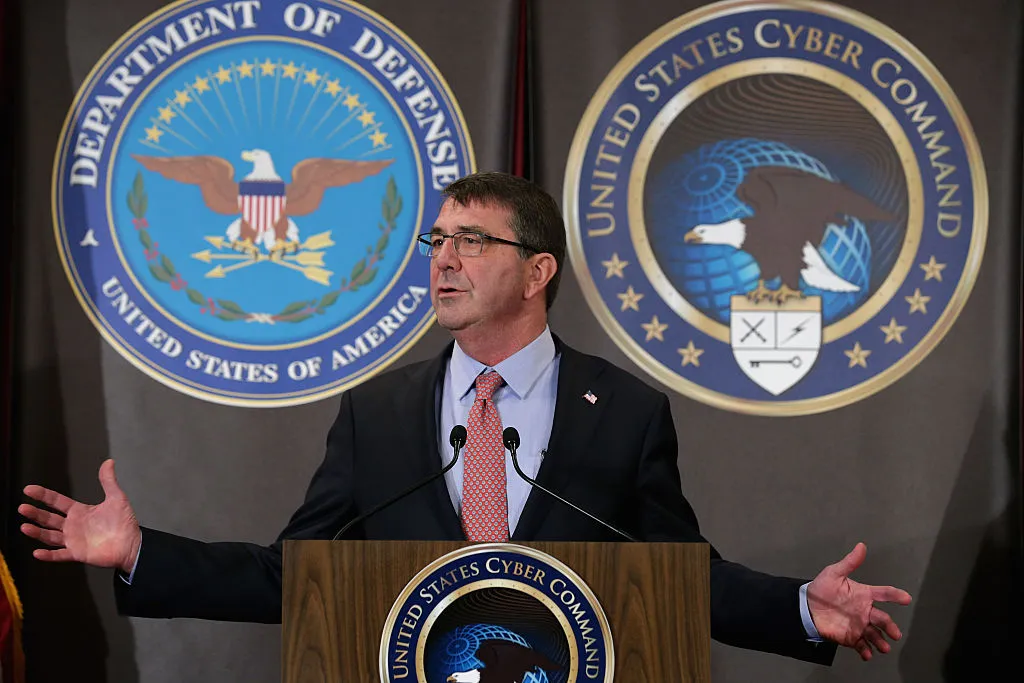
U.S. Cyber Command, the cyber-warfare cousin of the National Security Agency, has been attacking the Islamic State, disrupting their communications, recruitment, and day-to-day operations, The New York Times reported Sunday, citing interviews with "more than a half-dozen senior and midlevel officials," some of whom spoke on record. Cyber Command typically focuses on the nations that use the internet to attack the U.S. — Russia, China, Iran, North Korea — but President Obama has added ISIS to the list of targets.
Any discussion of cyber-warfare is "exceedingly rare," The New York Times notes, and officials were cleared to talk this time in part because ISIS is not a country so there is no legal issue about violating sovereignty. The tactical reason to discuss the cybercampaign is that "a bit of boasting might degrade the enemy's trust in its communications, jumbling and even deterring some actions," officials told The Times, and "rattle the Islamic State's commanders, who have begun to realize that sophisticated hacking efforts are manipulating their data."
The Week
Escape your echo chamber. Get the facts behind the news, plus analysis from multiple perspectives.

Sign up for The Week's Free Newsletters
Join more than 350,000 subscribers and keep yourself informed with a selection of The Week’s most interesting, enlightening and entertaining stories - plus daily puzzles.
Join more than 350,000 subscribers and keep yourself informed with a selection of The Week’s most interesting, enlightening and entertaining stories - plus daily puzzles.