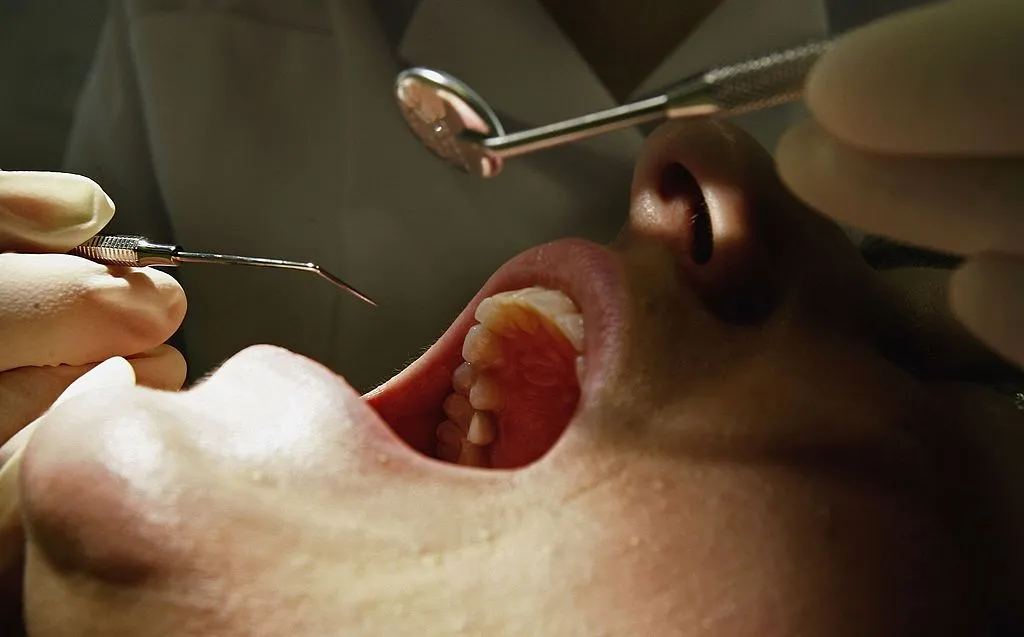
A drug designed to treat Alzheimer's disease could also be the key to cutting back on trips to the dentist for dreaded cavity fillings. In a study published in the journal Scientific Reports, scientists revealed the drug, called tideglusib, has been found to "stimulate the tooth to create new dentine capable of filling in large cavities," The Independent reported.
Teeth naturally have the ability to repair small areas of damage, but scientists say this drug enhances that ability, making it possible for "the tooth's own cells to rebuild cavities extending from the surface to the root," The Guardian said. All dentists would have to do, scientists suggest, is prep the tooth the same as they would for a filling, then insert a biodegradable sponge soaked in the drug into the tooth, which would then be sealed up. After a few weeks, the sponge would degrade and the cavity would be filled in by dentine.
The Week
Escape your echo chamber. Get the facts behind the news, plus analysis from multiple perspectives.

Sign up for The Week's Free Newsletters
Join more than 350,000 subscribers and keep yourself informed with a selection of The Week’s most interesting, enlightening and entertaining stories - plus daily puzzles.
Join more than 350,000 subscribers and keep yourself informed with a selection of The Week’s most interesting, enlightening and entertaining stories - plus daily puzzles.


